Bringing a Western Beat to Japan

Shonen Knife covers Acca Dacca’s Who Made Who

For some reason, Japanese artists covering Western songs has also held something of a fascination for me.

I’m not really attuned to hit charts, nor really have been.

And music isn’t one of my great loves, though I have an appreciation for pretty much any type of tune.

Perhaps my liking for the out-of-the-ordinary stems from the Aussie DNA, which seems to have a likeness for the novelty song, with national and international No. 1 hits during my lifetime Down Under including the likes of I’ve Been Everywhere, A Pub with No Beer, A Redback on the Toilet Seat, Tie Me Kangaroo Down, Sport, Rak Off Normie, The Newcastle Song, Farewell, Aunty Jack, C’mon Aussie C’mon, Shaddup You Face and Australiana, and, of course, rockin’ Sister Janet Mead, the Catholic nun who parlayed a funky Lord’s Prayer into becoming a global sensation, to name but a handful. Even AC/DC, Australia’s most successful act in history in terms of record sales, started off as something of a comic band with Angus Young wearing his schoolboy outfit and songs such as The Jack and She’s Got Balls.

Last weekend I fell into a rabbit hole of Japanese artists’ covers of Western songs, which I planned to write up.

Then, as I delved deeper and found out more, I branched out into those covering in Japanese, those in the original language (mostly English) and those mixing two or more languages.

That led down an even deeper hole where my focus got switched to Japanese artists’ covers of Australian artists.

And, typically, now I have run out of time before I can find enough focus to stick to the original topic, so it’s bits and pieces of everything and nothing really clear.

I can at least take solace by being on brand in that regard, anyway!

But if I can manage to consistently update this blog in the future in a way I haven’t been able to for the past nine years, there will be a lot more related matter on this topic.

Beat Crusaders cover Acca Dacca’s Thunderstruck (Unfortunately, the video is only viewable outside of Japan)

If you absolutely want to, you might be able to view the link from inside Japan by clicking here.

Related content: Oz Rock Legend Malcolm Young Dies  豪ロック伝説的な人マルコム・ヤング氏が死去

Cop A Gander At These Rippers Too...

  • | | | | |

    Why Have Thousands Of Young Aussies JET-ted Off To Live And Work In Japan?

    なぜ何千人ものオージーが日本で暮らき、働く道を選んだのでしょうか? Since 1987, the JET Programme has brought thousands of young Australians to Japan as assistant language teachers and international coordinators. Many arrived expecting a one-year adventure, but found lifelong friendships and careers instead. 1987年に始まったJETプログラムは、何千人ものオーストラリアの若者を外国語指導助手(ALT)や国際交流員として日本へ迎えてきました。1年間の経験のつもりが、一生の友情や仕事につながった人も少なくありません。 An idea with a big vision 大きな夢から始まった交流事業 The Japan Exchange and Teaching (JET) Programme was launched in 1987 by the Japanese Government to promote international understanding at the local level. Australia became one of the first participating countries and remains one of the programme’s largest partners. JETプログラムは1987年、日本政府が地域レベルで国際交流を深めることを目的に始めました。オーストラリアは開始当初から参加しており、現在も主要な参加国の一つとなっています。 Far more than teaching English 英語を教えるだけではない Australian participants teach English in schools, but they also introduce students to Australian culture, sport and everyday life. In return, they learn…

  • |

    Bigger Than The Beatles! ’60s Strayan Schoolkids Swoon At Shintaro The Samurai

    Possibly my first connection with Japan was waking at an ungodly hour (lifelong habit) and turning on the telly to watch Shintaro the samurai and his sidekick, Tombei the Mist, take on the evil Koga ninja and other assorted nasties threatening the Shogunate. I was watching The Samurai, a program where Shintaro, played by Koichi Ose, possibly did more than anything else to restore friendly postwar relations between Australia and Japan. The Samurai was the first Japanese TV to screen in Australia in late 1965, and when Ose toured Down Under the following year, thousands of children swarmed Melbourne and Sydney airports to catch a glimpse of their hero, their…

  • | |

    Why Did a Japanese Potter Choose a Tiny Aussie Country Town?

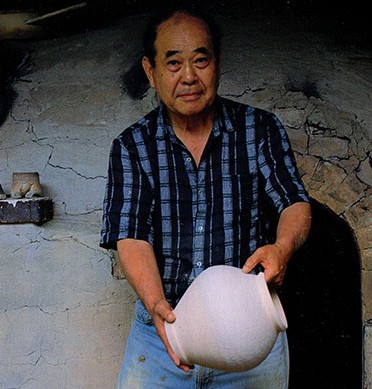
    なぜ日本人陶芸家は小さなオージーの町を選んだのか? When Japanese ceramic artist Tatsuzo Shimaoka visited Australia, he wasn’t looking for fame. Instead, he helped inspire generations of Australian potters through workshops, demonstrations and friendships. His influence can still be found in studios across the country today. 日本を代表する陶芸家・島岡達三は、名声を求めてオーストラリアを訪れたわけではありません。彼は講習会や実演を通じて多くのオージー陶芸家に影響を与え、その足跡は今も各地の工房に残っています。 A Living National Treasure 人間国宝の陶芸家 Tatsuzo Shimaoka (1919–2007) was one of Japan’s most respected ceramic artists. In 1996, he was designated a Living National Treasure for his mastery of traditional pottery techniques. His work combined craftsmanship with humility—a combination that resonated strongly with Australian potters. 人間国宝の陶芸家 島岡達三(1919〜2007)は、日本を代表する陶芸家の一人です。 1996年には益子焼の技術で人間国宝に認定されました。 卓越した技術と謙虚な人柄は、多くのオージー陶芸家にも深い印象を与えました。 Sharing, Not Teaching 「教える」のではなく「分かち合う」 During his visits to Australia, Shimaoka gave demonstrations and workshops rather than formal lectures. He encouraged artists…

  • | | |

    「強盗殺人」なのにBig Thingsを含めて豪がNed Kellyを称える理由は何だ?

     今日の「Big Things」はオージー文化に深く関わるものと関するが、その背景が分からないと理解しがたいかもしれない。  ビクトリア州グレンロアンにある高さ6メートル幅2メートルのBig Ned Kellyは、オーストラリアで英雄とされているネッド・ケリーを称える。  「英雄だったら、すごい人だろう?」と思うだろう。  が、、、  、、、実は、強盗殺意人だ。  ま、石川五右衛門やロビン・フッドのように、裕福な人や権力を乱用する人に対して盗難をし、得たものを庶民に配ったりするような犯人だったらなんとなく分かるような気がするね。  しかし、、、そのような強盗者でもなかった。盗んだ物を自分・自分のギャングしか使わなかったし、殺した人が警官及びかつて親しいだった友人だった。  じゃ、政治的な理由でそのようになって人々のために戦った人物だったのか?  それも、ない。イギリス植民地時代だったので、抑圧されたアイルランド系の人だったに違いないが生きている間に特に政治的な動きをしたことはそれほどなかった。後になったそのように描こうとした人が時々出てくるが、本当は恐らく違う。  なんだかんだ言ってもネッド・ケリーはただの強盗殺人としか言うようがない。  なので、何でオーストラリアでそんなに尊敬されている?全国で英雄扱い、史上初長編映画の主体となり、以降ミック・ジャガーやヒース・レジャーなどがネッド・ケリー役を演じたり、実物が警官と正念場があったグレンロアンを中心に活動した地域が観光地となったり、研究の主体となったりしてネッド・ケリー神話が壮大となって、どんなオーストラリア人でもよく知っている。  でも、ただの強盗殺人だったら何でそんなに尊敬されているだろう?  不思議でしょうがないよね。 ネッド・ケリーが自作鎧で警察と銃撃戦を行い、その末で捕まえられ死刑となった。鎧が確かに格好良かったので、それだけで人々を魅了したかもしれない? それとも、多分、正解は豪州のヨーロッパ系歴史にあるかな?  そもそもイギリス人がオーストラリアを植民地化した理由は流刑地になるためだった。  ヨーロッパ系住民のほとんどが囚人だったので、反権威主義の人が比較的に多かったかもしれない。犯罪に対しての見方がじゃっかんゆるいところがあったかもしれない?  未だにまだその傾向が豪社会で見える部分がある。  豪史上最多数ノンフィクション本の作家は自称ヒットマンであるマーク・チョッパ・リードが執筆した。そして、今で豪テレビで実際に起きた犯罪や実際に起こした実在する犯人を題材とした圧倒的に支持されて最も人気番組がアンダベリー・シリーズである。  こういう豪社会の潜在的な反権威主義がネッド・ケリー神話の基礎となっているかもしれない。本当の理由は何か分からないが、奥が深いに違いない。  ちなみに、グレンロアンにはもう一つの「Big Things」がある。これはBig Cherryだ。それについてまた後日掲載する。  そして、もう一つのネッド・ケリー「Big Things」もある。それがクィーンズランド州にある。ネッド・ケリー自身が同州へ行くことはなかったのでなぜそこに作られたが、全国的の人気の象徴とも言えるだろう。その「Big Things」が同州のメリーバラという町にある。 ヒース・レジャーが主人公となった「ネッド・ケリー」2003年 ミック・ジャガーが主人公となった「ネッド・ケリー」1970年 The Story of the Kelly Gang 大きな地図で見る