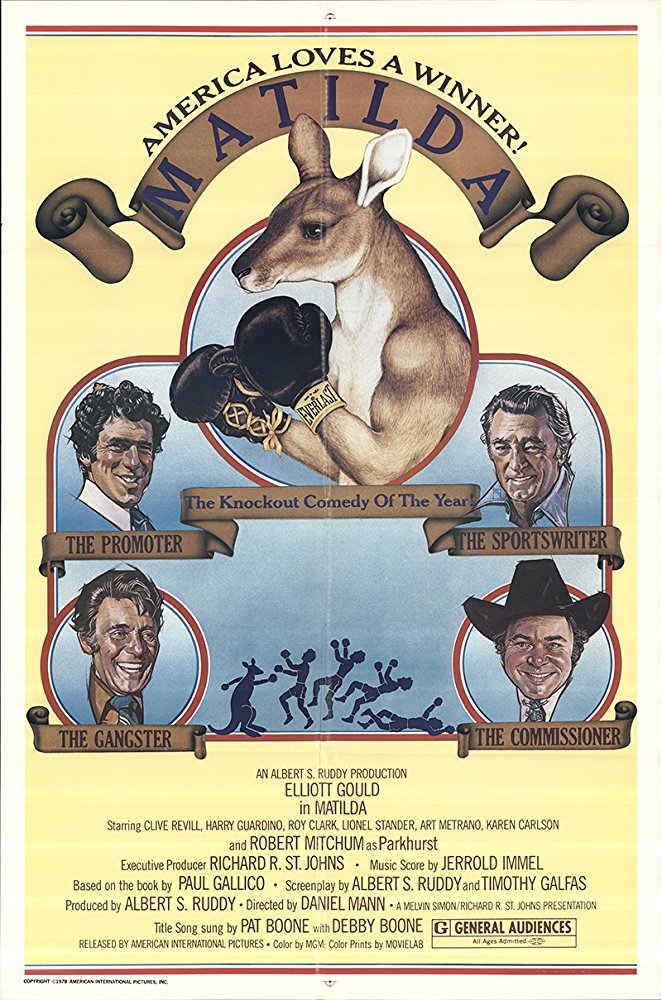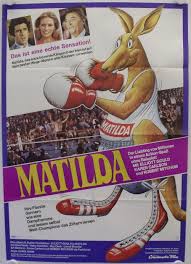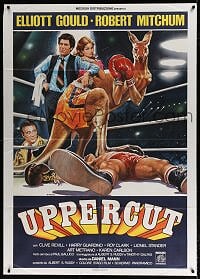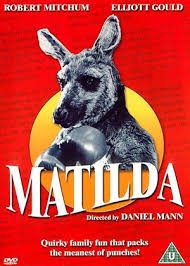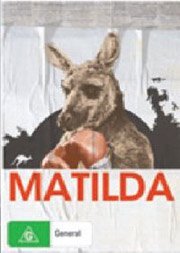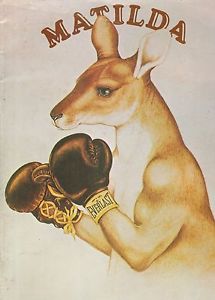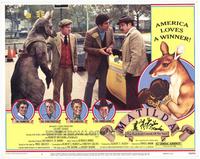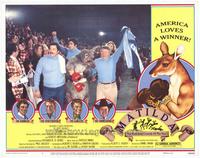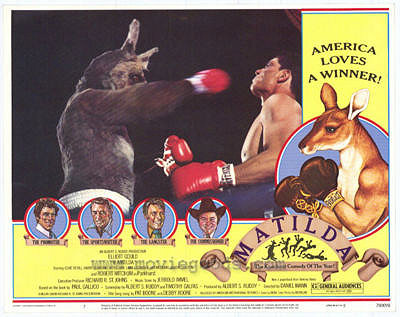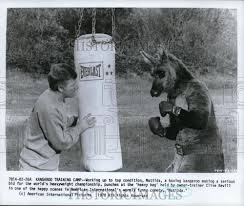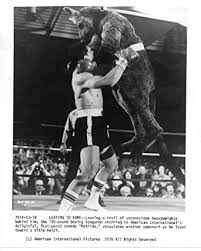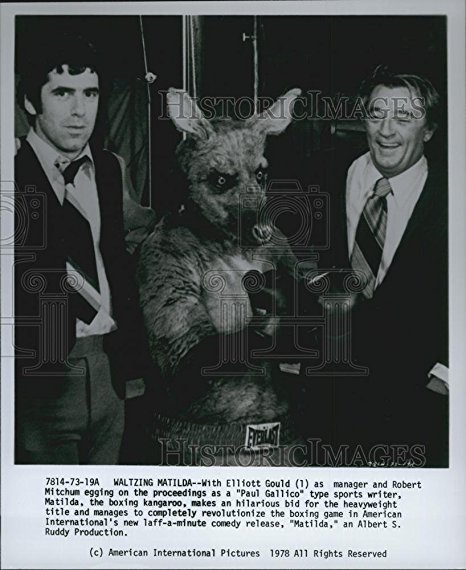
(Costumed) Kangaroo Stars In The “Worst Sports Movie Ever Made”
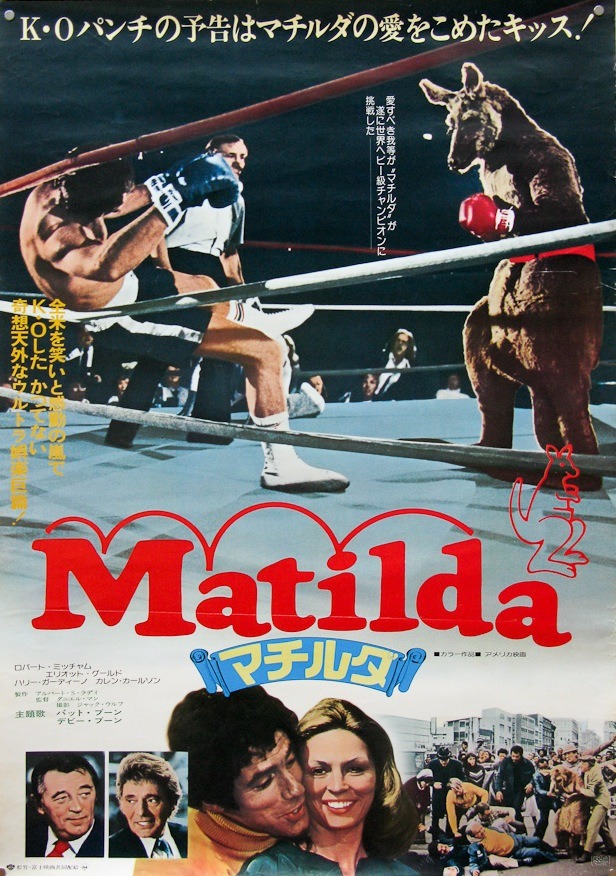
Matilda has been described online as “the worst sports movie ever made.” Kindly, as it turns out.
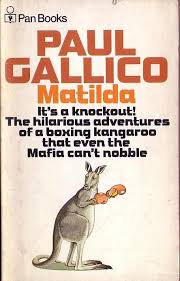
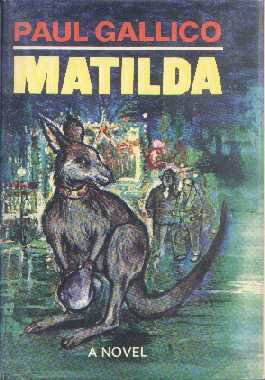
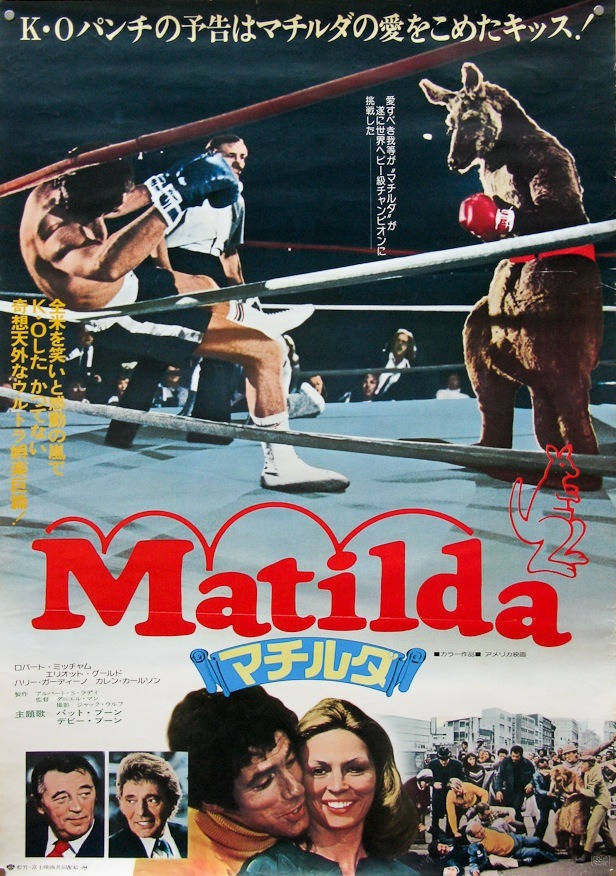
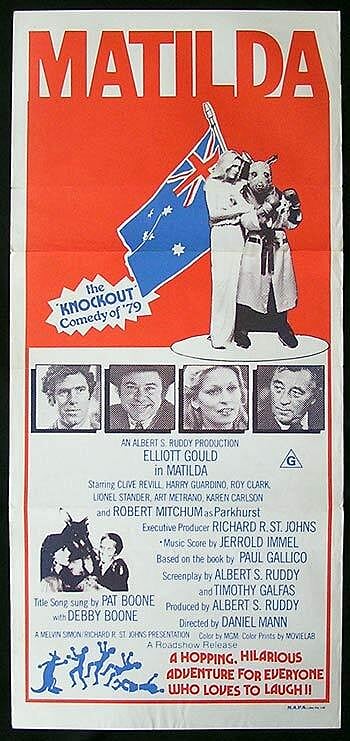
Matilda was a dreadful, alleged comedy about a boxing kangaroo that challenges for the world heavyweight champion title.
The movie was made in 1978, when Muhammad Ali was probably at his most widely popular (and the reigning world champion), and starred Elliot Gould, who was then still not too far off the peak of a career that continues going strong today.

Co-starring was another A-lister, Robert Mitchum, so it’s hard to argue that the cast and circumstances surrounding the movie didn’t pack a punch.

Unfortunately, the kangaroo featured in the film was clearly a bloke in a costume. With demonic eyes.
On top of that, the Australian involvement in the movie was non-existent outside of the kangaroo’s origins. And, as anybody who’s ever heard an American attempt an Australian accent or been to an Outback Steakhouse can attest, Americans don’t really put a lot of weight into authenticity when it comes to Down Under.
Matilda was based on a novel by Paul Gallico, whose research into Australia and kangaroos was so extensive he gave the male marsupial protagonist of his work a female name.
Perhaps Gallico had a portend of the movie’s fate, though, as he was most famous for The Poseidon Adventure, which would be adapted by Hollywood for another disaster movie of a different kind.

Directing Matilda was Daniel Mann, who made some impressive movies over his career.
For 考えRoom.com, though, with its interest in Australia and Japan, perhaps his most interesting movie was The Teahouse of the August Moon, which starred Marlon Brando in yellowface.
All in all, Matilda was a critical and commercial disaster. On the upside, though, it did get some decent movie posters from all over the world, as well as some other decent images, many of which can be viewed in the gallery.
Cop A Gander At These Rippers Too...

  • |

    豪のイースター・ビルビー

     イースター・バニーじゃなくてビルビーだ!  今日はイースター・サンデーだ。キリスト教の影響が伝統的に強かった諸国では、イースター・サンデーはキリストが再生した日とされて祝う。北半球では春に行い、「再生」のシンボルとしてイースター・エッグを子供中心に配る。伝統的にチョコレート・エッグを配るのはイースター・バニーだ。日本ではバニーがちょっとセクシーな印象があるかもしれないが、うさぎが繁殖に強い動物であり春の「新生」を示すものだ。  しかし、オーストラリアは違う。イギリスの元植民地としてキリスト教の影響があり、イースターを祝う国であるが、宗教的な感覚よりイースター・エッグの販売などにより商業的な雰囲気の方が強い。当然、昔からオーストラリアではイースター・バニーがイースターの象徴の一つだったが、この約20年ではイースター・バニーの代わりにオーストラリア独特の動物であるビルビーが主流となりつつある。  子供たちにチョコレートを配るという役割は変わらないがイースター・ビルビーも違う、もっと重要な意味もある。そもそもオーストリアではうさぎがいなかった。しかし1850年代にはイギリス人一人が十数匹を狩りのために環境に導入した。以降、天敵がほとんどないため、外来種であるうさぎの急激な増殖が著しく約50年後大発生となり環境破壊がはかり知らないほど起こした(うさぎ防止のため世界最長人工物であるラビット・プルーフ・フェンスがオーストラリアの大田舎で作られた)。うさぎにより環境破壊の最も被害を受けた生物の一つがそのビルビーである。  ビルビーはうさぎと少し似ていながらカンガルーなどと同じように有袋類である。ビルビーはもともと数多くなかった動物だが、うさぎの急な増殖などによって絶滅危機となり、今野生ではほとんど存在しなくなり、およそ600匹ぐらいしか残っていないという。  そこで、イースター・バニーの代わりに1993年ジェニー・ブライトという作家が「イースター・ビルビーのバラ・二ム」 という本を出版し、印税をビルビーの保護に寄付し、ビルビーの絶滅危機に対して助けを呼びかけた。以降、イースター・ビルビーがオーストラリア全国で支持されるようになり、オーストラリアでのイースターの独特な祝い方でありながらかわいいビルビーの保護にも役に立ている。イースター・ビルビー関係の販売の一部がビルビー保護に寄付されることがだんだん広がっている。  では、ぜひビルビーを考えながらイースター・サンデーを楽しんでください。

  • Lucky Country, the

    lucky country, the Australian English Australia. The term was coined by historian Donald Horne in irony. He argued that Australia was lucky as it became a rich land only because of its natural resources instead of the cleverness or effort shown by other nations. Instead of being shocked by the term, Australians adopted “the Lucky Country” to use as a favorable synonym to describe their land. 日本語 オーストラリアのこと、ラッキーな国。もともと歴史学者ドナルド・ホーン氏が1964年に「ラッキーな国」を皮肉たっぷりに使った表現だ。同氏は、オーストラリアがほかの先進国と違って、知恵や努力で発展したではなく、資源豊富さだけで豊かとなって、とても「ラッキーな国だ」と言った。しかし、多くのオーストラリア人がホーンの本来の意味を無視、今一般に自国名をいい風に表現できる同義語として使うようになった。 Plain English Australia. Strine Dictionary

  • After the Apocalypse….

    We’ve just had a wonderful weekend enjoying the pleasures of the Tama Hills Recreation Area, which combines luxurious quarters with wild, somewhat terrifying scenery reminiscent of what a world without humans might look like. It’s the latter that continues to delight me in the bi-annual visits we’ve been fortunate to make over the past decade or so, though such opportunities may about to draw to a close. We will enjoy them while we can, though.

  • 「Put A Sock In It」と言われたら何で黙った方がいいの?

    Why Would It Be Better To Shut Up If Someone Tells You To Put A Sock In It? Put a sock in it is a classic Strine expression meaning “Be quiet!” or “Shut up!” 日本語の意味 Put a sock in it は「黙れ!」「静かにして!」という意味です。 Explanation Australians usually say it jokingly between mates, not as a serious insult. 日本語での解説 友達同士で冗談っぽく使われることが多い表現です。 Example “Put a sock in it, mate! I can’t hear the telly.” 日本語訳 「ちょっと黙ってよ。テレビが聞こえないよ。」 Strine Culcha Strine often sounds blunt, but it’s usually meant with humour. オージー文化メモ ストライン(オージー英語)はぶっきらぼうでも、親しみを込めて使われることがよくあります。 Related Terms

  • 野生コアラ保護地区用に植えられた数千本の苗木が「葉っぱ泥棒コアラ」に食べられちゃった!

    オーストラリア、ニューサウスウェールズ州にある園芸店で野生コアラ保護地区のために育てられた苗木数千本が「泥棒」コアラに食べられちゃったことはオーストラリア放送協会が報道した。 園芸店店長ハンフリー・へリントン氏が保護地区用に育ってられた苗木が毎晩少しずつなくなっていたことに気づいたが、理由が思い浮かべなかった。 そして、ある日に出勤したら、動けないほど暴食したコアラが苗木植木場所近くに見つけて、謎が解けた。 その時、「クロード」と名付けてそのコアラを近くの森の中にある安全場所までに動かしたが、二日後、再びクロードが園芸店で表れ、苗木を食べて、現行犯逮捕だった。 へリントン氏によるとクロードコアラが何千本の苗木を食べて園芸店に豪ドル約6000ドル(約56万円)の被害を与えた。 コアラ防止対策として、園芸店にネットかけるという。 食べられた苗木がコアラ用の「バンガローコアラズ」保護地区作成のために使われるはずだった。幸いに食べられた苗木が今年地植え用のものじゃなかったので、保護地区の予定にあまり大きな影響がないようだ。 元記事 Claude the koala eats thousands of nursery seedlings intended for NSW wildlife corridor (英語)