Where Did “Bogan” Come From?

This is where things get wonderfully murky.

The popular theories include:

  • the Bogan River/Bogan Shire in western New South Wales;
  • an old Australian literary reference;
  • regional Australian slang;
  • and the possibility that it originated as Melbourne teenage slang.

The evidence currently points most strongly toward Melbourne in the early 1980s, although the ultimate etymology remains uncertain.
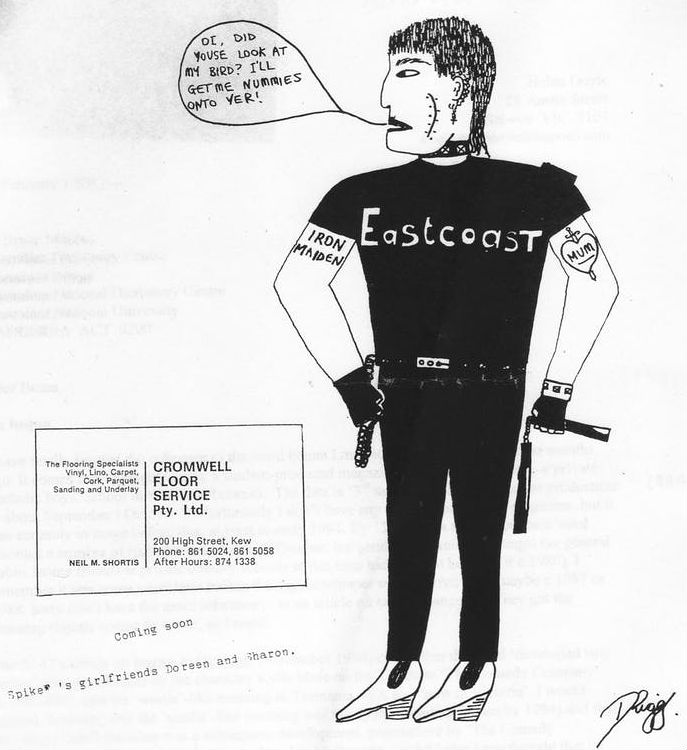
Historian and linguist Bruce Moore found evidence from 1984, in a student magazine at Melbourne’s Xavier College, describing a fictional “bogan doll”. The character already possessed many of the stereotypes we would recognise today: tattoos, long hair, heavy-metal clothing, sleeveless denim, etc. The word then appears in a 1985 issue of Tracks magazine.

By the late 1980s it was spreading nationally. By the early 1990s, it was essentially established Australian slang.

The really funny part

The word may have been popularised by upper-middle-class private-school teenagers describing people they considered uncultured.

In other words: The bogan may have been invented by people who weren’t bogans.

Cop A Gander At These Rippers Too...

  • |

    Own Your Own Japanese Castle for $100,000

    Aussies can buy an (almost) authentic Japanese castle for only about $100,000, it has been revealed recently on social media. Century21 Japan is selling the 6-story castle (with a restaurant on the second floor) in Akabira, Hokkaido, at a price unimaginable to potential home buyers Down Under. Of course, at that price, there’s bound to be a few catches, but perhaps not as many as some may think, especially considering it comes with a huge garden (over 5,000 m2), a working elevator, restaurant, more than 40 parking spaces and connection to sewage and water mains. Located in Hokkaido, Japan’s northernmost island and home to the cashed-up bogan paradise of Niseko,…

  • The Great Bogan Aesthetic

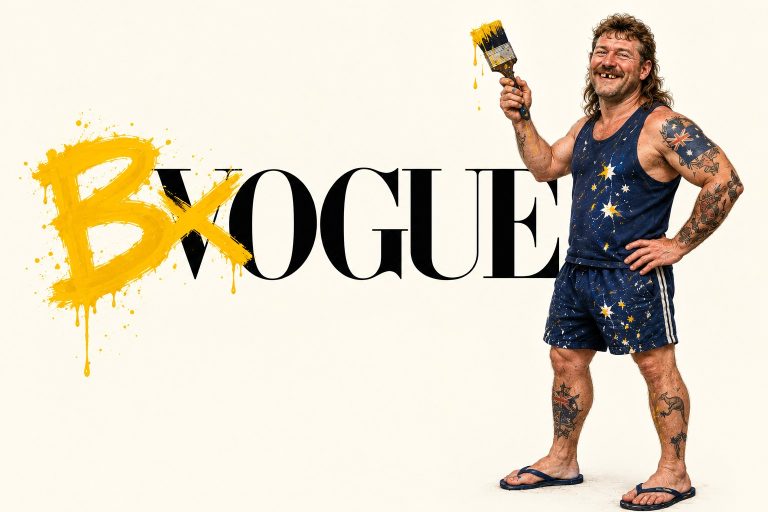
    The visual language is almost a complete design system. Hair The mullet is probably the supreme bogan symbol. Business at the front. Party at the back. And, increasingly, deliberate cultural signalling. The mullet has moved far beyond its original association with rough Australian masculinity and has become a self-conscious Australian cultural icon. Mullet competitions have become an actual spectacle, with categories such as “extreme”, “grubby”, “everyday” and “ranga”. There are even children’s mullet competitions in Australia in 2026. That is an extraordinary example of a hairstyle moving from social stigma → joke → nostalgia → fashion → identity. Clothing The classic wardrobe includes: But again, the interesting thing is that…

  • Bogan Feminism

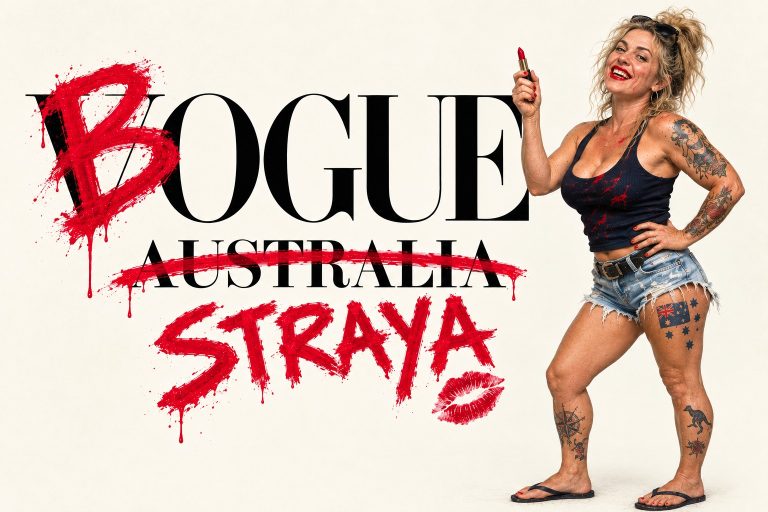
    One thing traditional bogan imagery gets wrong is its obsession with men. There is a substantial female bogan archetype. Think: And there is currently an interesting cultural revival around “sheila”, with commentators describing a contemporary “bogan feminism” that reclaims toughness, Australianness and working-class identity. The sheila is returning to Australian culture, riding on a new wave of ‘bogan feminism’

  • |

    Big Bundy、豪州社会に良い悪い役割を果たしたラム酒を称える

     クーインズランド州にある地方都市バンダバーグは、多くの理由で広く知られているが、恐らくその中の一番目立つ理由が同市で作られているラム酒だ。  その象徴の一つとしてはBig Bundy、同市にある「Big Things」であり、バンダバーグ製のラム酒瓶の巨大版だ。ちなみに、Bundyは同市名の(オージー英語らしい)省略であり、同市で作られている最も有名なラム酒でるバンダーバーグ・ラムの省略でもある。  ラム酒は、1788年ヨーロッパ人由来から今に渡ってオーストラリアの歴史に大きく役割を果たしている。殖民地時代初期ではラム酒がオーストラリアの通過となったこともあった。(当時の暴動の原因ともなったけど、、、)  ラム酒はサトウキビの複製品糖蜜から作られている。バンダーバックは、熱帯雨林地にあり、サトウキビが盛んでそれに伴ってラム酒製造もできた。その意味ではクィーンズランド州北部経済に大きく貢献して、肯定的な役割を果たした。  一方、上記の暴動のように多くの社会問題の背景にあり、今では最も有名ラム酒製造者であるバンダーバーグ・ラム社でも乱暴・破廉恥などを起こすyobboという主に若い男性が最も好きな飲み物だそうだ。 大きな地図で見る