Paddle Pops: The Icy Treat Aussies Gave To The World

Every Aussie childhood summer has the same soundtrack: the clink of the servo freezer door and a kid asking for “a Paddle Pop.” But this icy treat didn’t come from a factory boardroom — it came from an engineer who turned down NASA.

オーストラリアの子ども時代の夏には、決まって同じ音がある。コンビニの冷凍庫のドアが開く音と、「Paddle Pop ちょうだい!」という子どもの声だ。実はこのアイス、大企業の会議室ではなく、NASAの誘いを断ったひとりのエンジニアから生まれた。

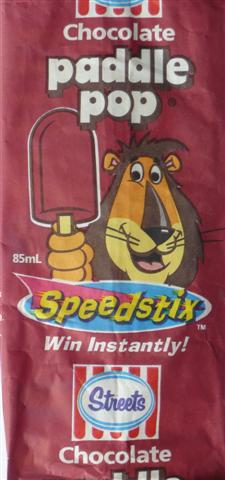
A Paddle Pop is a flavoured ice-block (popsicle) on a flat wooden stick, originally created by Sydney’s Streets Ice Cream in 1953. The name has become so common in Australia that “Paddle Pop” is often used generically for any similar icy-pole, much like “Esky” is used for any cooler box. Paddle Pops are, per capita, the world’s best-selling ice cream.

Paddle Pop とは、平たい木の棒についたフレーブアイス菓子で、1953年にシドニーのStreet’sアイスクリーム社が発売した。今ではオーストラリアで「氷菓の一種」全般を指す言葉として日常的に使われることも多く、”Esky”(クーラーボックス)と同じように、ブランド名が一般名詞化した例である。Paddle Popは、一人当たりで世界最高売り上げ数のアイスクリームだ。

Example

“Mum, can I have a Paddle Pop before tea?”

(ママ、夕飯の前にパドルポップ食べてもいい?)
日本語での解説

Paddle Popは1953年、シドニーのStreet’sアイスクリーム社のエンジニアRon Street氏が考案した。木のパドル(paddle=櫂)のような形の持ち手が名前の由来。発売当初はチョコレート味のみだったが、90億本以上売れる看板商品に成長し、1960年にはユニリーバがStreet’s社を買収して現在に至る。
Australia–Japan Connection

Japan’s got its own icy-pole culture, from convenience-store “aisu” to the beloved Garigari-kun, so a Paddle Pop makes an easy, edible bridge between the two countries: both nations turned a simple frozen treat into a genuine piece of childhood culture, just with very different mascots on the wrapper.

日本にもコンビニのアイスキャンディーや国民的な「ガリガリ君」など、独自の氷菓文化がある。オーストラリアと日本はどちらも、シンプルな冷凍おやつを子ども時代の文化そのものへと育て上げた点で共通しており、パッケージのキャラクターだけが大きく違う。

Related Terms
考えRoo の考え

Ted Street thought the paddle-shaped ice cream would be “a nine-day wonder.” More than 70 years later, it’s still cold, still popular, and still shaped exactly the same. 考案者のTed Streetは「どうせ九日で飽きられる」と思っていたらしい。それから70年、パドルポップは今も冷たく、今も人気で、今も同じ形のままだ。

Cop A Gander At These Rippers Too...

  • |

    豪キャブラリー:Mollycoddle

    厳密に言えば、mollycoddleはオージー英語独特な言葉ではないが、オージー英語ではよく使われているので、ここに豪キャブラリーのひとつとして入れさせていただいた。  Mollycoddleは「人を甘える」という意味である、あまり良い感じを与える言葉ではない。受動態で甘えん坊に対して批判的な使い方が最も多いだろう。例えば、Hughesy’s bloody useless ‘coz he’s been mollycoddled from birth(ヒュージー<人>は、生まれてからmollycoddleされたため、つかいものにならんだ」。

  • | |

    Australiana for Australia Day

    オーストラリア人コメディアンオーステン・テーシャス氏*が1983年豪州象徴的なものや地名などのごろ合わせによって詩「Australiana」で全国一世風靡し、No. 1ヒットとなった。かなりやばい言葉使いであり、色な所で放送禁止となった。 1月26日建国近年日にあたる「Australia Day」にちなんで、下記再現する。お楽しみ。 Australiana Sittin’ at home last Sunday mornin’ me mate Boomer rang (boomerang). Said he was havin’ a few people around for a barbie, Said he might cook a burra (kookaburra) or two. I said, “Sounds great, will Walla be (wallaby) there?” He said “Yeah and Veggie might (Vegemite) come too”. So I said to the wife “Do you wanna Go Anna (goanna)?”. She said “I’ll go if Din goes (dingoes).” So I said “What’ll (wattle) we do about Nulla?” He said “Nulla bores (Nullarbor) me to tears, leave him at home.” We got to the party about two and walked straight out the kitchen to put…

  • Croweater/南オーストラリア州出身

    croweater Australian English A native or resident of the state of South Australia. 日本語 南オーストラリア州出身及び定住者。直訳すると「烏を食べる人」という意味。由来は、現在の南オーストラリア州となっている地域の最初のヨーロッパ系住民が食料不足と戦い、生き残るために烏を食べたらしい。南オーストラリア州の州都はアデレード市であり、公園か色鮮やかな祭りやメルヘンっぽいビルが多く、とても綺麗な街並みで有名が、「教会の都市」との別名があり、一部では「つまらない」という悪評もある。ちなみに、今、南オーストラリア州では、烏を食べる人がいないと思うが、同州の人々がプライドをもって「自分がクローイーターだ」と言い張る。同州がドイツ系移民が始まったブドウ園からあの有名なオーストラリア・ワインの最も伝統が長い産地でもある。 Plain English A South Australian. Strine Dictionary

  • |

    豪キャブラリー: Shoot through

    Shoot through (打って通れば)を聞くと何となく「銃の引き金を引く」ような感覚を起こすかもしれないが、実際にオージー英語でこの表現を使えば一切そういうような意味がない。実は、「打つ」(shoot)と一切関係ない(だったら、なんで使うかと言いたくなるよね、、、)。「出ていく」とか「場を去る」などの意味。Shoot offも同様の意味として使う場合もある、「急いでいく」ような感覚があるが、shoot offのほとんどの使う時がshoot off your mouth(口を打つ!)になり、「しゃべり過ぎ」という意味のだ!