How Did Australia And Japan Go From Allies To Enemies And Now Back To Defence Partners?
なぜ日豪は同じ陣営から敵国になり、そして再び防衛パートナーになったのでしょうか?
An extraordinary reversal
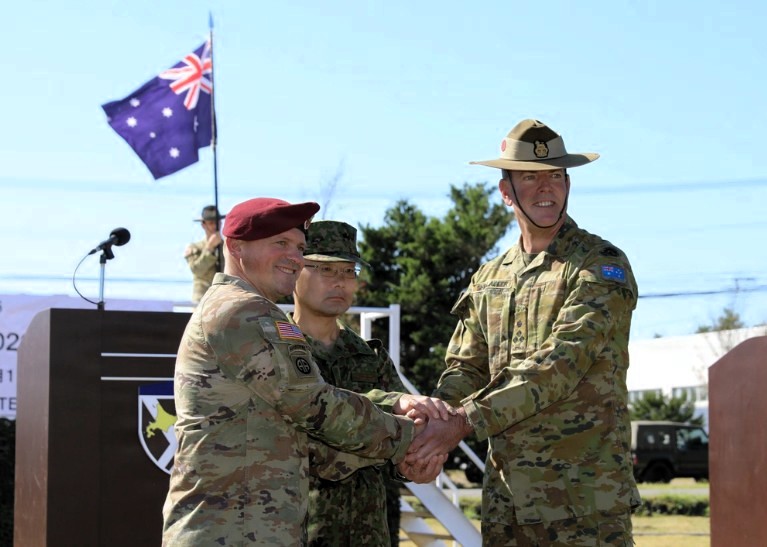
Today, Aussie and Japanese forces train together, visit each other’s bases and increasingly operate alongside each other. In 2025, Aussie soldiers participated in Exercise Orient Shield in Japan for the first time. The two countries’ defence relationship is now remarkably close.
現在、オーストラリア軍と自衛隊は共同訓練を行い、お互いの基地を訪問し、さらに緊密に活動しています。2025年には、豪州陸軍が初めて日本で行われたオリエント・シールドに参加しました。現在の日豪防衛関係は、驚くほど緊密です。
But this is not a relationship that followed a straight line. Australia and Japan were once associated through Britain’s alliance with Japan, became bitter enemies during the Second World War, and are now close strategic partners.
しかし、ここに至る道のりは一直線ではありませんでした。かつて日英同盟を通じて同じ陣営にあり、第二次世界大戦では激しい敵対関係となり、現在では緊密な戦略的パートナーになっています。
When Japan was on Australia’s side
In 1902, Britain and Japan signed the Anglo-Japanese Alliance. Australia was not an independent party to the agreement, but the new Australian Commonwealth regarded British-Japanese naval cooperation as an important part of Pacific security.
The relationship became practical during the First World War. Japanese warships helped protect Allied shipping, including the convoy carrying Australian and New Zealand troops across the Indian Ocean.
1902年、英国と日本は日英同盟を結びました。オーストラリアは独立した締約国ではありませんでしたが、新生オーストラリア連邦にとって、英国と日本の海軍協力は太平洋の安全保障にとって重要なものでした。
第一次世界大戦では、この関係は実際の協力へと発展しました。日本の軍艦は連合国の船舶を護衛し、インド洋を航行する豪州・ニュージーランド兵の船団も守りました。
Friends with reservations
The relationship was never simple. Australia relied on Japanese naval power while simultaneously maintaining strong suspicion of Asian immigration and the White Australia Policy.
Japanese naval visits could attract enthusiastic Aussie crowds. Yet Aussie attitudes towards Japan were increasingly shaped by fears of Japanese expansion and by racial assumptions about Asia.
しかし、関係は決して単純ではありませんでした。オーストラリアは日本の海軍力を頼りながら、一方ではアジアからの移民を強く警戒し、白豪主義も維持していました。
日本の艦隊がオーストラリアを訪れると、大勢の人々が歓迎することもありました。しかし、日本の勢力拡大への警戒と、アジアに対する当時の人種的な偏見も強まっていきました。
The alliance disappears
After the First World War, the strategic situation changed. At the Washington Conference of 1921–22, Britain, Japan, the United States and France agreed to a new Four-Power framework.
第一次世界大戦後、戦略環境は変化しました。1921~22年のワシントン会議では、英国、日本、米国、フランスが新しい四カ国体制に合意しました。
The new arrangement effectively brought the Anglo-Japanese Alliance to an end. Australian representatives accepted the new Pacific security arrangements, believing they offered reassurance without continuing the old alliance.
新しい枠組みによって、日英同盟は事実上終わりました。オーストラリア側も、新しい太平洋の安全保障体制が従来の同盟に代わる安心を提供すると考えました。
It would be misleading to say that ending the alliance caused the Second World War. The later conflict resulted from a much wider series of developments, including Japanese expansion and escalating international tensions.
ただし、日英同盟の終了が第二次世界大戦を引き起こした、と考えるのは正確ではありません。その後の戦争には、日本の拡張政策や国際的な緊張の高まりなど、はるかに広い要因がありました。
From suspicion to war
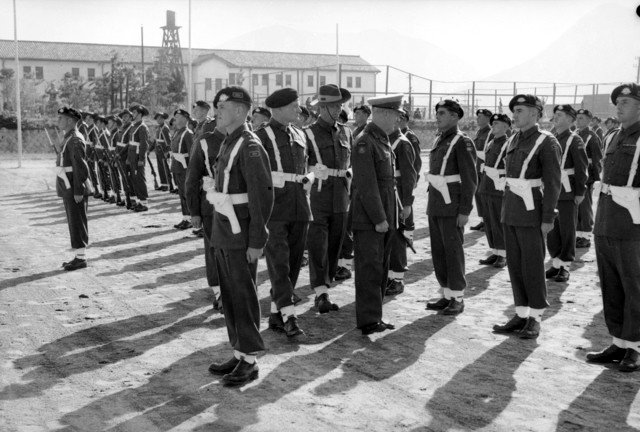
By 1941, Australia and Japan were on opposite sides of an increasingly dangerous conflict. After Japan entered the war against the Allied powers, Japanese forces rapidly advanced through Southeast Asia.
1941年までには、オーストラリアと日本は、急速に危険性を増していた対立の反対側に立っていました。日本が連合国との戦争に入ると、日本軍は東南アジアを急速に進撃しました。
Then Australia itself came under attack.
そして、オーストラリアそのものが攻撃を受けます。
On 19 February 1942, Japanese aircraft attacked Darwin. At least 250 people were killed in the raids, and the attacks continued over the following months. Japanese submarines also attacked Australian waters.
1942年2月19日、日本軍機がダーウィンを攻撃しました。この日の空襲では少なくとも250人が死亡し、その後も攻撃は続きました。日本の潜水艦もオーストラリア周辺海域を攻撃しました。
The fury of wartime Australia
More than 22,000 Australians became prisoners of war of Japan. Many experienced brutal conditions in captivity, including forced labour on the Burma–Thailand Railway and elsewhere.
2万2,000人を超えるオーストラリア人が日本軍の捕虜となりました。多くの捕虜は、泰緬鉄道建設などでの強制労働を含む過酷な環境に置かれました。
For Australians who experienced the fighting, bombing and captivity, Japan was no longer the distant Asian power that had once helped protect Allied shipping. It had become the enemy.
戦闘、爆撃、そして捕虜生活を経験したオーストラリア人にとって、日本はもはや連合国の船舶を守るために協力した遠いアジアの国ではありませんでした。敵国になったのです。
The relationship starts again
The war ended in 1945, but rebuilding trust took time. Australia and Japan restored diplomatic relations in 1952.
戦争は1945年に終わりましたが、信頼関係を再構築するには時間がかかりました。日豪は1952年に国交を回復しました。
Trade became an important bridge. Japan’s rapidly growing economy and Australia’s resources created powerful economic reasons for the two countries to develop a new relationship.
貿易は重要な橋となりました。急速に成長する日本経済とオーストラリアの資源は、両国が新しい関係を築く大きな動機となりました。
Then came a remarkable political statement of intent.
そして、関係の方向性を明確に示す大きな政治的転換が訪れます。
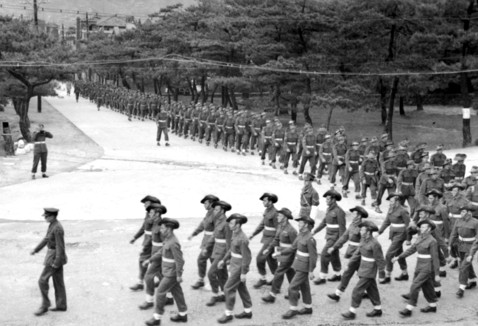
1976: friendship becomes official
On 16 June 1976, Australia and Japan signed the Basic Treaty of Friendship and Cooperation in Tokyo.
1976年6月16日、オーストラリアと日本は東京で「日豪友好協力基本条約」に署名しました。
The treaty declared enduring peace and friendship between the two countries and provided a framework for cooperation across political, economic, social and cultural fields.
この条約は、両国間の恒久的な平和と友好を関係の基礎とし、政治、経済、社会、文化など幅広い分野で協力する枠組みを定めました。
In 2026, Australia and Japan are marking its 50th anniversary.
2026年は、その基本条約締結から50周年です。
Defence comes back slowly
Military cooperation did not suddenly return after 1976. The relationship developed gradually, particularly after the Cold War.
防衛協力は1976年に突然復活したわけではありません。特に冷戦終結後、両国の関係は徐々に発展していきました。
Humanitarian operations and peacekeeping provided important opportunities for the Australian Defence Force and Japanese Self-Defense Forces to work in the same international missions.
人道支援や平和維持活動は、豪州軍と自衛隊が同じ国際的な活動で協力する重要な機会となりました。
By the 2000s, cooperation was becoming much more substantial.
2000年代に入ると、協力関係はさらに本格的になりました。
The big turning point
In 2007, Australia and Japan issued their first bilateral Joint Declaration on Security Cooperation.
2007年、日豪両国は初めて二国間の安全保障協力に関する共同宣言を発表しました。
The relationship continued to deepen. In 2014, the two countries elevated their relationship to a Special Strategic Partnership.
その後も関係は深まり、2014年には「特別な戦略的パートナーシップ」へと格上げされました。
Almost an alliance?
The defence relationship now looks remarkably close. Australian and Japanese forces conduct exercises together, exchange personnel and cooperate in areas including maritime, air, cyber and space capabilities.
現在の防衛関係は非常に緊密です。豪州軍と自衛隊は共同訓練を行い、人的交流を進め、海洋、航空、サイバー、宇宙などの分野でも協力しています。
The 2023 Reciprocal Access Agreement made it easier for the ADF and JSDF to operate in each other’s countries.
2023年に発効した「日豪部隊間協力円滑化協定(RAA)」によって、豪州軍と自衛隊が相手国で活動するための手続きも容易になりました。
Yet Australia and Japan still do not have a formal mutual-defence alliance.
それでも、日豪は正式な相互防衛同盟を結んでいるわけではありません。
Orient Shield
The change is particularly visible in exercises.
その変化が特にはっきり見えるのが、共同訓練です。
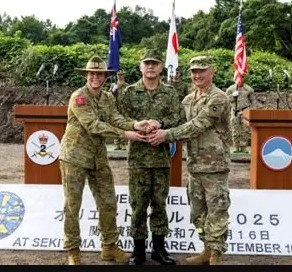
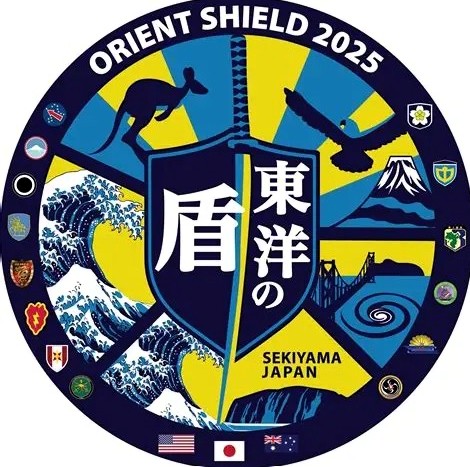
In 2025, Australian Army personnel participated for the first time in Exercise Orient Shield in Japan, alongside Japanese and US forces.
2025年、豪州陸軍は初めて日本国内で行われたオリエント・シールドに参加し、自衛隊や米軍とともに訓練しました。
The exercise is a long way from the world of 1942. Japanese and Australian military personnel who once fought each other are now learning how to operate together.
この光景は、1942年とはまったく異なるものです。かつて戦場で対峙した日本とオーストラリアの軍人が、現在では一緒に活動する方法を学んでいます。
Why did it change?
The answer is not simply that the two countries “forgot” the war.
なぜここまで変わったのでしょうか。単に両国が戦争を「忘れた」からではありません。
Japan changed. Australia changed. The international system changed. Economic ties grew enormously, diplomatic relations matured, and both governments increasingly identified shared strategic interests in maintaining a peaceful and stable Indo-Pacific.
日本も変わり、オーストラリアも変わり、国際情勢も変わりました。経済的な結びつきは大きく成長し、外交関係も成熟しました。そして両国政府は、平和で安定したインド太平洋を維持することに共通の戦略的利益を見いだすようになりました。
Both countries are also close US allies, creating another important connection between their defence establishments.
さらに両国は米国の同盟国でもあり、それも両国の防衛機関を結びつける重要な要素になっています。
From enemies to partners
The extraordinary thing about today’s relationship is not that the war disappeared from history.
現在の日豪関係で本当に興味深いのは、戦争の歴史が消えたことではありません。
It is that the two countries built something new on top of that history.
その歴史の上に、新しい関係を築いたことです。
Japanese ships once escorted Australian troops. Japanese forces later attacked Australia. Australians fought and died in battles against Japan. Australian prisoners suffered in Japanese captivity.
かつて日本艦艇は豪州兵を護衛しました。その後、日本軍はオーストラリアを攻撃しました。豪州兵は日本軍と戦い、命を落としました。そして日本軍の捕虜となった豪州兵も、過酷な環境で苦しみました。
Today, Aussie and Japanese forces train together.
そして現在、豪州軍と自衛隊は一緒に訓練しています。
The friendship deepens
The Australia–Japan relationship is therefore more than a story of two countries becoming friends. It is a story of a relationship being repeatedly reinvented as circumstances changed. In 2026, fifty years after the Friendship and Cooperation Treaty, the former enemies are among each other’s closest regional defence partners. That may be one of the strangest and most remarkable chapters in the long history of Australia and Japan.
日豪関係は、単純に「二つの国が友達になった」という物語ではありません。国際情勢の変化に合わせて、何度も関係を作り直してきた歴史なのです。2026年、友好協力基本条約の締結から50年を迎えた今、かつての敵国同士は、地域における最も緊密な防衛パートナーの一組となっています。それは、長い日豪関係史の中でも、最も意外で興味深い章の一つかもしれません。
Sources And Related Materials
- DFAT — 50th anniversary of the Basic Treaty of Friendship and Cooperation
- DFAT — Basic Treaty of Friendship and Cooperation, full text
- DFAT — Key statements and agreements
- Australian Defence — 2025 Japan–Australia 2+2 statement, including Orient Shield
- National Institute for Defense Studies — Australian attitudes to the Anglo-Japanese Alliance, 1902–23
- Australian War Memorial — Darwin, 19 February 1942
- Australian War Memorial — Australian prisoners of war of Japan
- Australian War Memorial — Australia and the post-war occupation of Japan
- Australian Defence — Exercise Orient Shield 2025
- DFAT — Australia–Japan Reciprocal Access Agreement and other key agreements