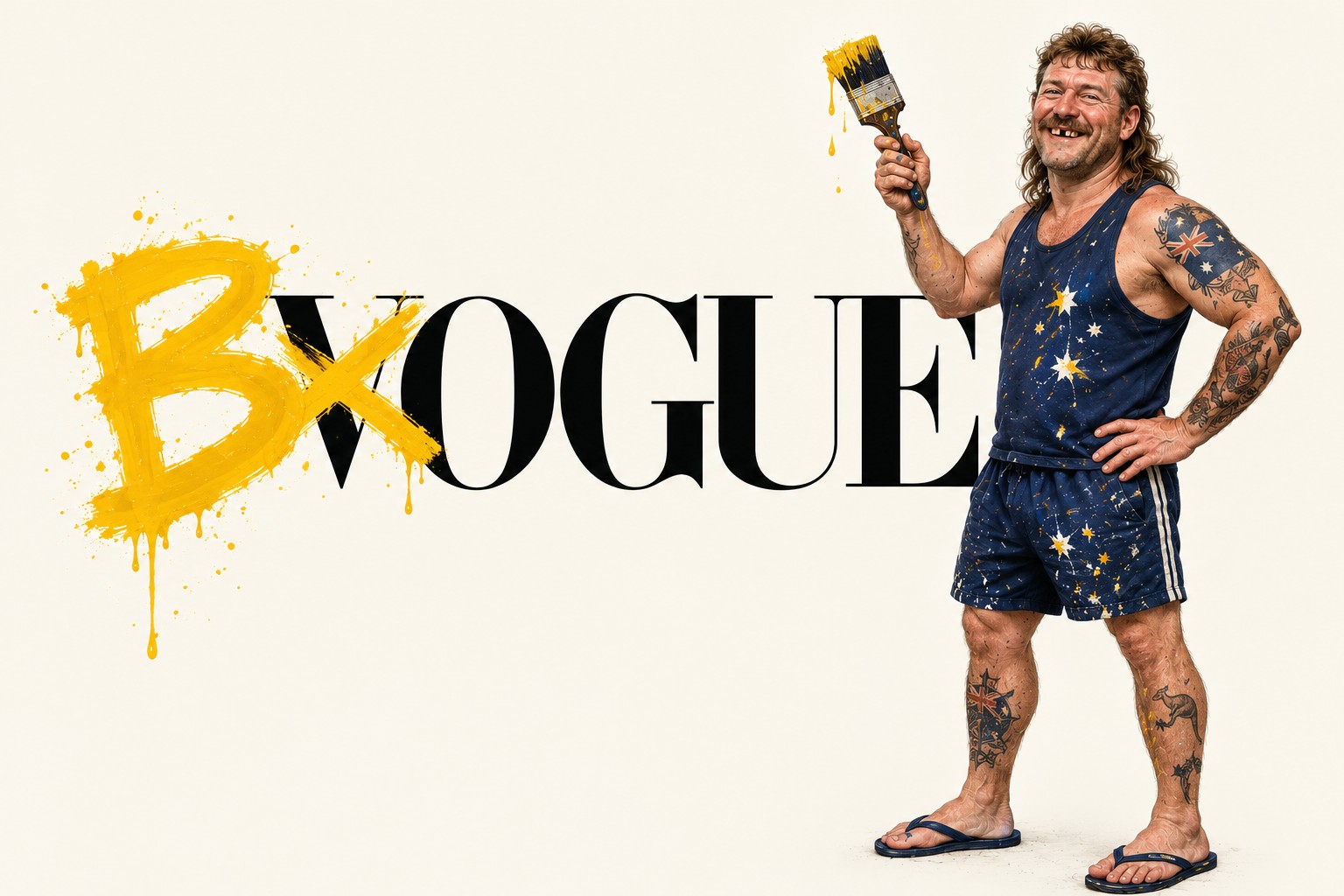
日本とボーガンの“意外な接点”

ここからが、あなたにとって特に面白い部分。結論から言うと 「日本ボーガン学(Japanese bogan studies)」という学問分野は存在しない。……が、 文化的に比較するとめちゃくちゃ興味深いポイントがいくつもある。

日本にも“それっぽい”カテゴリーがある

日本の読者が「ボーガンって日本で言うと何?」と考えると、 こんな語が候補に上がる。

  • ヤンキー
  • 元ヤン
  • 暴走族
  • ギャル
  • チンピラ

ただし、 完全な対応語ではない。ここが重要。

ヤンキー文化とボーガン文化は“歴史的背景”が違う

日本のヤンキーは、 戦後の若者反抗文化・不良文化・校内暴力・族文化 といった歴史の中で形成された。一方、ボーガンはもっと階級、趣味・嗜好、オーストラリア的アイデンティティや郊外文化と深く結びついている。つまり、 似ているけど、根っこが違う。だから比較が面白い。

実際、日本人とオージーの間で比較が自然に起きている

最近、 日本人とオーストラリア文化に興味のある人たちが集まる Reddit で こんな質問が出た。

「オーストラリアのボーガンに相当する日本語って何?」

回答として挙がったのは:

  • ヤンキー
  • 元ヤン
  • 暴走族

など。

これは学術的な証拠ではなく、 文化的直感のレベルの話。でも、 比較が自然に人々の頭に浮かぶという事実が重要。それだけ、 ボーガン文化と日本のサブカルチャーには “似ているようで違う”魅力的な接点があるということ。
Cop A Gander At These Rippers Too...

  • Where Did “Bogan” Come From?

    This is where things get wonderfully murky. The popular theories include: The evidence currently points most strongly toward Melbourne in the early 1980s, although the ultimate etymology remains uncertain. Historian and linguist Bruce Moore found evidence from 1984, in a student magazine at Melbourne’s Xavier College, describing a fictional “bogan doll”. The character already possessed many of the stereotypes we would recognise today: tattoos, long hair, heavy-metal clothing, sleeveless denim, etc. The word then appears in a 1985 issue of Tracks magazine. By the late 1980s it was spreading nationally. By the early 1990s, it was essentially established Australian slang. The really funny part The word may have been popularised…

  • What Actually Makes Someone A Bogan?

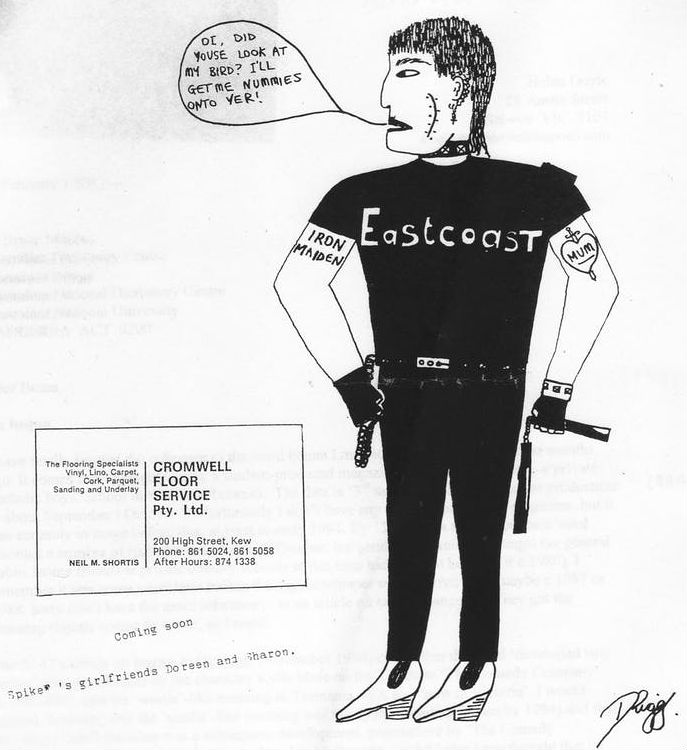
    This is where things get complicated. The classic visual stereotype is: Mullet + flanno + singlet + black jeans/shorts + boots/thongs + tattoos + beer + ute + loud music. The stereotype is so powerful that even people who don’t identify as bogans know exactly what the image means. But researchers increasingly point out that the real definition isn’t socioeconomic status. A wealthy person can be a bogan. An educated person can be a bogan. A professional can be a bogan. A person with a university degree and a six-figure salary can apparently be a CUB — “cashed-up bogan.” The rise of the CUB was particularly important because it broke…

  • マレットの“異常なほどの大復活”

    マレットはここ数年で、 ほぼ文化的リハビリ(rehabilitation)と言っていいレベルの復活を遂げた。 かつてはこうだった。 ボーガンの髪型 → 恥ずかしいもの その後こうなる。 レトロ髪型 → 皮肉のジョーク さらにこうなる。 ヒップスター/オルタナ系ファッション → 皮肉系オシャレ そして今は—— オーストラリアのアイデンティティ → ふつうに主流の髪型 この変遷、冷静に見るとすごい。 マレット大会が存在するという事実 マレットがただの髪型ではなく、 “育てる・評価する・祝う”対象になっていることを示すのが、 全国で開催されるマレット大会。人々は本気でマレットを整え、 審査員は本気で評価し、 観客は本気で歓声を上げる。これはもう、 髪型が文化競技になった瞬間。 そして何より“オーストラリアらしさ”が爆発している 人のマレットを競技として評価する。この発想そのものが、 オーストラリア的ユーモアと自己認識の結晶。 マレットは、 オーストラリア文化の逆説と遊び心を体現する象徴になった。

  • |

    豪キャブラリー:Bogan Band

     Bogan bandは、一般的に若者のboganが好んでする髪型で、髪の縁に沿って細い帯状に髪を金髪にブリーチしたもの。通常、幅は約1cmで、長さは3~4cmを超えることはない。  後ろ髪が長くて上が短髪なMulletやラットテイルヘアという特に細長い部分が特徴的な毛髪のスタイルを指しますボーガンがよく選ぶ髪型ほど人気に及んでいないが、21世紀型ボーガン髪型になりつつ。 Strine Dictionary | 考えRoo

  • |

    Japan’s ‘Japow’ Transforms Australia Into A Winter Sports Force

    For most of the 2026 Winter Olympic Games in Milano and Cortina, Australia occupied a prominent position on the medal tally. In fact, that land famous for its searing heat, blistering sunshine and water games outranked countries like Canada, where snow sports are a part of daily life from birth, and recent Winter Olympic Games powerhouses like China and Korea. And Japan, itself one of the top Winter Olympics performers, has much to do with Australia’s success. Australia has taken part in every Olympic Winter Games since 1936. But it didn’t win a medal until 1994, and a woman didn’t pick up one until 1998. That year, the Winter Games…

  • Bog Words And The Goldmine Of Bogan Language

    Bogan culture generates an astonishing amount of linguistic creativity. The fact that Australians can keep attaching suffixes to bogan is itself linguistically interesting. Researchers describe the word as unusually productive in Australian English. And then there is bogan pronunciation. The stereotype exaggerates features of Australian English: fishing → fishin’going → goin’mate → maaate The dropping of final consonants, broad vowels, swearing and exaggerated informality become part of the performance of bogan identity.