The Japanese Connection To Bogans

There isn’t, as far as I can find, a major established academic field called “Japanese bogan studies.” But there are several fascinating connections.

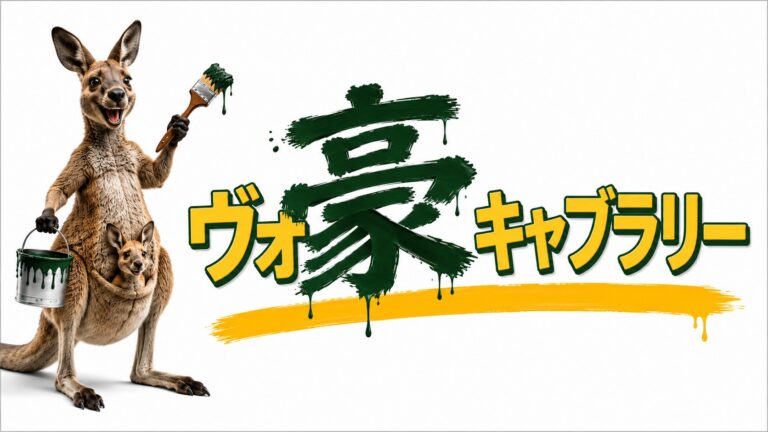
Japan has its own rough equivalent

Japanese observers might reach for concepts such as:

  • ヤンキー (yankii);
  • 元ヤン (moto-yan);
  • 暴走族 (bōsōzoku);
  • ギャル (gyaru);
  • チンピラ (chinpira).

They aren’t exact equivalents. That’s important. A Japanese yankii is shaped by a very different historical culture, particularly postwar youth rebellion and delinquent subcultures.

A bogan is much more strongly tied to:

class + taste + Australian identity + suburban culture.

But there is enough overlap to make comparison fascinating.

A recent discussion among Japanese and Australia-interested Reddit users produced exactly this question: What is the Japanese equivalent of an Australian bogan? Suggestions included yankii, moto-yan and bōsōzoku. That is anecdotal rather than academic evidence, but it demonstrates that the comparison naturally occurs to people.
Cop A Gander At These Rippers Too...

  • What Actually Makes Someone A Bogan?

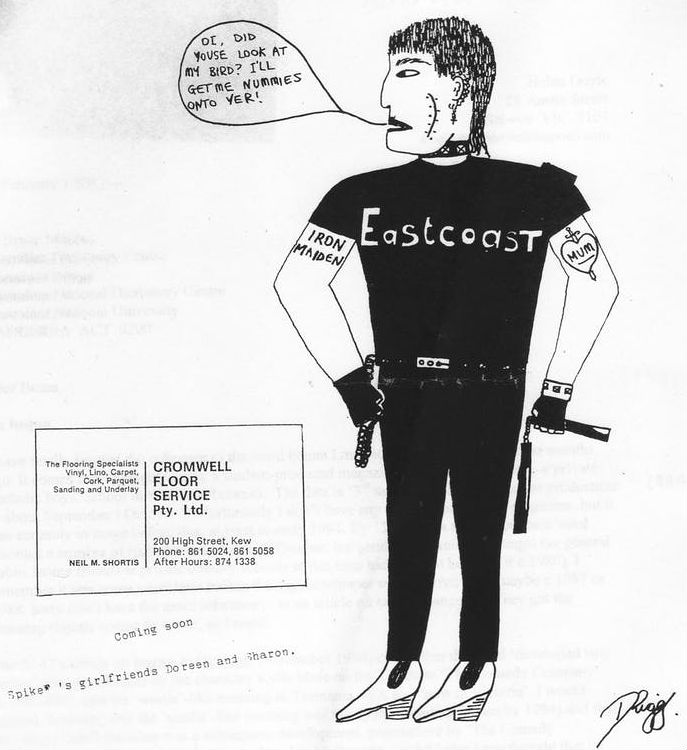
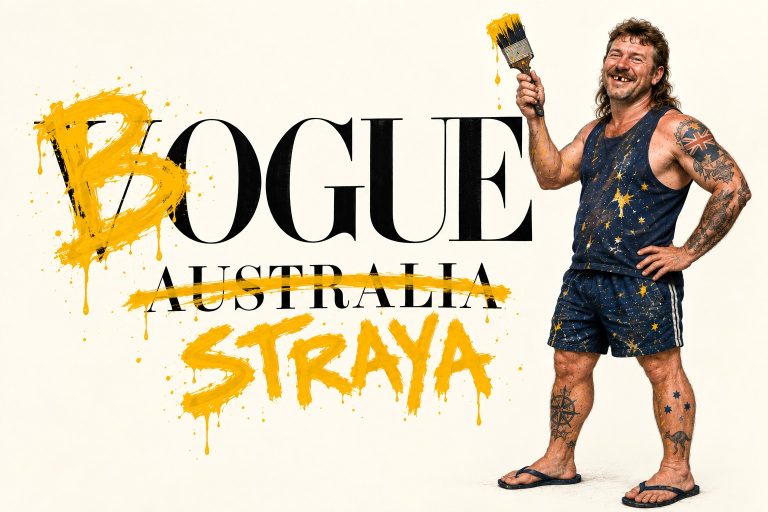
    This is where things get complicated. The classic visual stereotype is: Mullet + flanno + singlet + black jeans/shorts + boots/thongs + tattoos + beer + ute + loud music. The stereotype is so powerful that even people who don’t identify as bogans know exactly what the image means. But researchers increasingly point out that the real definition isn’t socioeconomic status. A wealthy person can be a bogan. An educated person can be a bogan. A professional can be a bogan. A person with a university degree and a six-figure salary can apparently be a CUB — “cashed-up bogan.” The rise of the CUB was particularly important because it broke…

  • テレビが“ボーガン”をキャラクター化した

    オーストラリアのテレビは、 ボーガンという侮蔑語を“文化キャラクター”へと変換するうえで決定的な役割を果たした。 いくつかの重要な番組を見てみよう。 The Comedy Company 1980年代後半、 キャラクター Kylie Mole が登場し、 ボーガンという言葉の特定の使われ方を全国に広めた。ティーン文化、郊外文化、ちょいダサさ—— その全部をコミカルにパッケージした存在だった。 Kath & Kim これはオーストラリア史上もっとも鋭い “郊外の願望(suburban aspiration)”研究と言っていい。 Kath と Kim は単に「貧しい」わけではない。彼女たちは、見た目、消費、ステータス、ファッション、セレブやライフスタイルに異常なほど執着している。つまり、ボーガン的“願望”を体現している。「背伸びしたい郊外のオージー」を、 笑いと愛情を込めて描いた作品。 Bogan Pride Rebel Wilson が 2008年に SBS で制作したシリーズ。ここではボーガン文化が 完全にコメディとして前面に押し出され、 “ボーガン・プライド(誇り)”という概念がメインストリームへ進出した。侮蔑語だったはずの言葉が、 「誇り」として再解釈される瞬間をテレビが後押しした。 Upper Middle Bogan これは知的にもっとも面白い作品かもしれない。設定はこうだ。 “ごく普通の中流家庭が、自分たちの生物学的家族がボーガンだったと知ったらどうなる?” このジョークが、 階級・趣味・お金・教育・アイデンティティ といったテーマを深く掘り下げる装置になる。笑いながら、 オーストラリア社会の階級構造を観察できる秀逸なシリーズ。 テレビは、 ボーガンを侮蔑語から文化キャラクターへ、 そして国民的アイコンへと変換した最大のメディア。

  • Cars: Probably The Greatest Bogan Art Form

    If you wanted to identify one area in which bogan culture becomes genuinely subcultural, I’d choose cars. Particularly: Australia developed a particularly distinctive form of working-class car culture around the Holden–Ford rivalry. The ute is especially significant. It is simultaneously: work vehicle + family vehicle + status symbol + masculine identity + recreational toy. And then there is the Australian phenomenon of the hoon. The hoon and the bogan aren’t identical, but they overlap heavily.

  • ボーガン罵り言葉のパラドックス

    ボーガン語の中でも特に面白いのが、 オーストラリア人が“罵り言葉を社会的な句読点に変えてしまう”能力。 他の英語圏ならショッキングな単語が、 オーストラリアではこんなふうに使われる。 つまり、 罵り言葉が文法カテゴリーを全部制覇してしまう。もちろん、これはボーガンだけの特徴ではない。 オーストラリア全体の言語文化に根付いている。でも、「ボーガンのステレオタイプは、この“罵り言葉文化”を舞台演劇レベルまで誇張する。

  • ボーガン・プライドという文化革命

    これは、ボーガン文化の中でも 最重要のターニングポイントと言っていい。 かつて「ボーガン」と呼ぶことは、ほぼこう言うのと同じだった。 「お前は俺より下の階層だ。」 ところが時代が進むにつれ、こんな返しが増えていく。 「そうだよ、ボーガンだけど?何か問題でも?」 これぞ、典型的な 文化的リクレイメーション(再所有)。 世界中で、侮蔑語だったアイデンティティが 当事者によって“誇り”へと変換される現象は起きている。 でもオーストラリアの ボーガン・プライド には、 オーストラリア特有の“味”がある。 それは、次の文化要素と深く重なるからだ。 つまり、 ボーガン・プライドは「普通の人」を祝福するオーストラリア的国民性と直結している。 言語学者ロズリン・ローワンは、 「ボーガンの肯定的再解釈は、オーストラリアのナショナリズムと “普通の人”を称える文化傾向と結びついている」 と指摘している。侮蔑語だったはずの言葉が、 国民的アイデンティティの一部へと昇格する。これこそ、ボーガン文化の最大の魅力であり、 オーストラリアらしい文化のひねりでもある。

Leave a Reply

This site uses Akismet to reduce spam. Learn how your comment data is processed.