
Bogue Straya Launches On Kangaeroo.com

G’day. We’re excited to introduce youse to a Bogue Straya.

Bogue Straya is a new subsite dedicated to exploring Australia’s bogan culture with affection, curiosity and respect. Bogue Straya looks at the language, humour, music, fashion, values and identity that shape bogan life–not to mock, but to understand what this cultural phenomenon reveals about Australia and Australians.

From its history and evolution to its influence on mainstream culture, and even its surprising connections with Japan, Bogue Straya offers a bilingual look at one of Australia’s most recognisable cultural identities.

Take a look at the new subsite and enjoy the journey into bogan culture from both sides of the language divide.
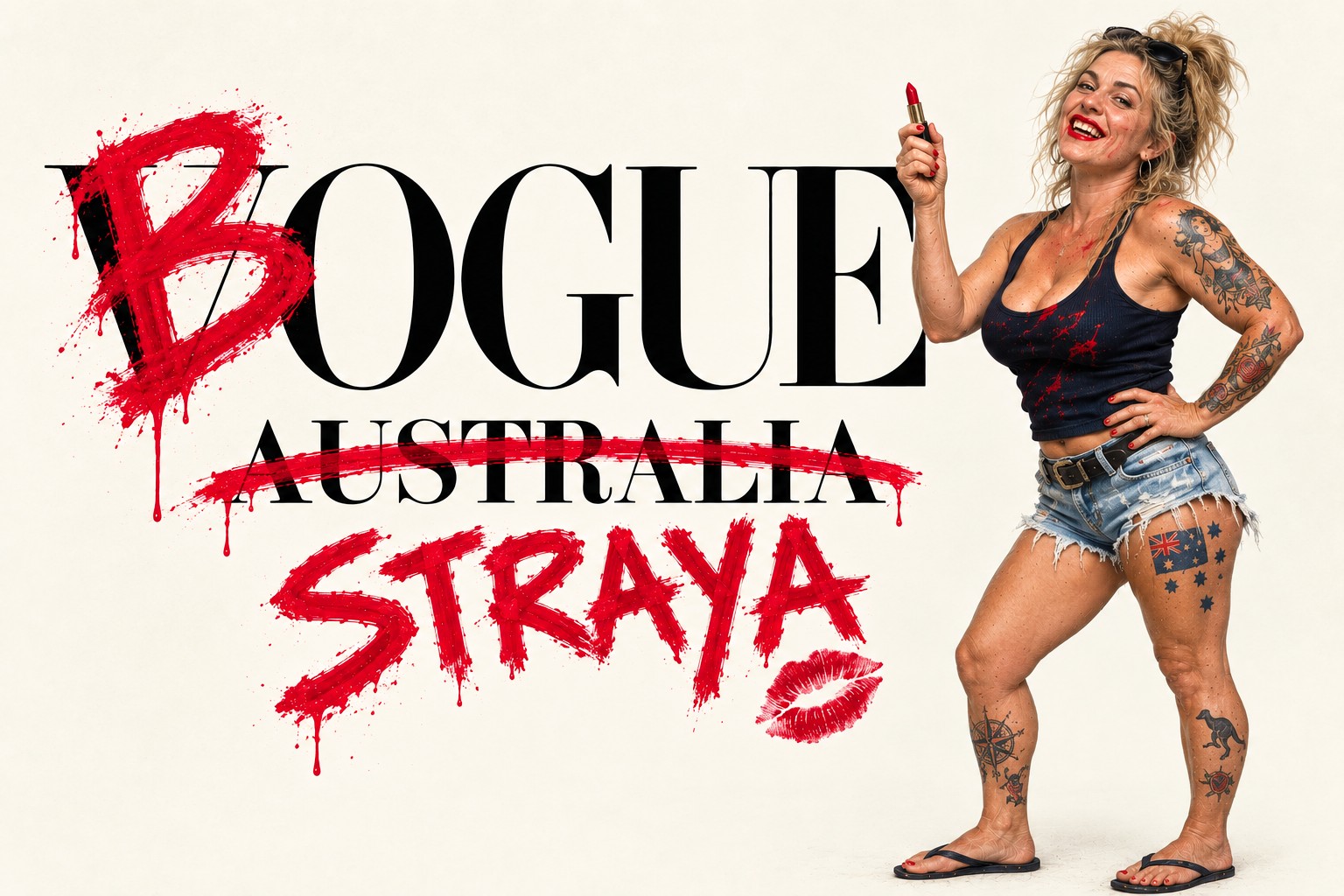
オーストラリアの重要な文化現象である「ボーガン文化」を、親しみと敬意を込めて紹介する新しいコーナー Bogue Straya を公開しました。ここでは、ボーガン特有の言葉、ユーモア、音楽、ファッション、価値観、アイデンティティを、侮蔑ではなく文化として丁寧に見つめます。

歴史的背景から現代のトレンド、一般的なオーストラリア文化への影響、さらには日本との意外なつながりまで、ボーガン文化をバイリンガルで深く掘り下げていきます。

ぜひ新しいサブサイトをご覧いただき、オーストラリア文化のユニークな一面を一緒に楽しんでください。

Cop A Gander At These Rippers Too...

  • | | |

    Is Niseko Still Australia’s Ski Town?

    ニセコは今も「オーストラリア人のスキーの町」なのか? Walk through Niseko today and you’ll hear conversations in Japanese, English, Mandarin, Korean and many other languages. The resort that Australians helped introduce to the world has become one of Asia’s most international winter destinations. Visitors now arrive from across the globe, while investment comes from many countries. So, after more than three decades, is Niseko still Australia’s ski town? 現在のニセコを歩くと、日本語だけでなく英語、中国語、韓国語など、さまざまな言語が聞こえてきます。 かつてオーストラリア人が世界に紹介したスキーリゾートは、今ではアジアを代表する国際的なウィンターリゾートへと成長しました。 では、30年以上が経った今でも、ニセコは「オーストラリア人のスキーの町」と言えるのでしょうか。 The Pioneer Years There was a time when Australians dominated Niseko’s international tourism scene. From the mid-1990s through the early 2000s, Australian visitors arrived in growing numbers, opening cafés, ski schools, accommodation businesses and tour companies. Their enthusiasm encouraged more travellers to discover Hokkaido’s famous powder…

  • |

    Hopper Gives U.S. Satellite TV Network Viewers a Roo-ed Awakening

    Hopper is the (brilliantly original!) name given to the kangaroo used to promote U.S. satellite TV network Dish. Hopper was probably at her most prominent in the mid 20-teens as Dish launched a huge campaign to popularize Internet telly. During the 2014 campaign, Hopper was voiced by portly Strayan actress Rebel Wilson, then at the peak of her career. The campaign centered on Dish’s universally praised digital video recorder, which is also called Hopper, like the kangaroo that promotes the network. The line of recorders further extends the kangaroo link by naming the compact version of the DVR, Joey, which is, of course, the name for infant kangaroos. Incidentally, Rebel…

  • | | |

    Why Did Aussies Fall in Love with Japan’s Akiya?

    なぜオージーは日本の空き家に魅了されたのか? Lots of Aussies first discovered Japan through “Japow!,” its powdered snow. Now, many are discovering something even more unexpected—its empty country homes. From Niseko to Hakuba and beyond, Aussies are helping breathe new life into communities facing population decline. 多くなオージーが最初に夢中になったのは日本の雪でした。しかし今、彼らを引きつけているのは、地方に残る空き家です。ニセコや白馬をはじめ、日本各地でオーストラリア人が地域に新しい息吹をもたらしています。 Real Estate Romance Started with the Snow すべては雪から始まった The real estate romance relationship began in the 1990s when Aussie skiers discovered the deep powder snow of Hokkaido. Niseko soon became Australia’s favourite overseas ski destination. Many visitors returned year after year, eventually deciding to invest, settle or establish businesses in the region. すべては雪から始まった 1990年代、オーストラリア人スキーヤーが北海道の極上のパウダースノーを発見したことが始まりでした。 ニセコは瞬く間に人気のスキーリゾートとなり、何度も訪れるうちに、移住や投資、事業を始める人が現れました。 From Niseko to Hakuba ニセコから白馬へ After helping transform Niseko into an international resort, Australian…

  • ボーガン・プライドという文化革命

    これは、ボーガン文化の中でも 最重要のターニングポイントと言っていい。 かつて「ボーガン」と呼ぶことは、ほぼこう言うのと同じだった。 「お前は俺より下の階層だ。」 ところが時代が進むにつれ、こんな返しが増えていく。 「そうだよ、ボーガンだけど?何か問題でも?」 これぞ、典型的な 文化的リクレイメーション(再所有)。 世界中で、侮蔑語だったアイデンティティが 当事者によって“誇り”へと変換される現象は起きている。 でもオーストラリアの ボーガン・プライド には、 オーストラリア特有の“味”がある。 それは、次の文化要素と深く重なるからだ。 つまり、 ボーガン・プライドは「普通の人」を祝福するオーストラリア的国民性と直結している。 言語学者ロズリン・ローワンは、 「ボーガンの肯定的再解釈は、オーストラリアのナショナリズムと “普通の人”を称える文化傾向と結びついている」 と指摘している。侮蔑語だったはずの言葉が、 国民的アイデンティティの一部へと昇格する。これこそ、ボーガン文化の最大の魅力であり、 オーストラリアらしい文化のひねりでもある。

  • いったい「ボーガン」って何者なのか?

    ここがちょっとややこしい。 まず、みんなが思い浮かべる“典型的ボーガン像”はこんな感じだ。マレットヘア+ネルシャツ(フランノ)+タンクトップ+黒ジーンズ/ショーツ+ブーツかビーチサンダル+タトゥー+ビール+ユート(軽トラ的なやつ)+爆音ミュージック。 このイメージがあまりにも強烈だから、 自分はボーガンじゃないと思ってる人でさえ、 「はいはい、あの感じね」と即理解できる。 でも、最近の研究では“本当の定義”はそこじゃないと言われている。ボーガン=低所得層 ……ではない。 お金持ちでもボーガンになれる。高学歴でもボーガンになれる。バリバリのプロフェッショナルでもボーガンになれる。大学卒で年収6桁の人が「CUB(Cashed-Up Bogan=金持ちボーガン)」と呼ばれることもあるくらい。このCUBの登場はかなり重要で、“貧しい=ボーガン”というイメージを完全にぶち壊した。 より正確な区別は、経済力よりも文化的なセンス(カルチャー・キャピタル)にあるらしい。つまり、ざっくり言うとこうだ。お金はあっても、センスがあるとは限らない。 そしてオーストラリアは、このギャップをネタにしてめちゃくちゃ楽しんでいる国でもある。

Leave a Reply

This site uses Akismet to reduce spam. Learn how your comment data is processed.