Music As A Bogan Cultural Element

Bogan culture has an extremely strong musical component.

The canonical soundtrack includes:

And here we encounter another great paradox.

Some music associated with bogan culture is highly sophisticated musically and enormously influential internationally. AC/DC, for example, isn’t culturally insignificant because bogans love them. Quite the opposite. The music becomes part of a national mythology. Triple J even held a National Bogan Day in 2002, celebrating the stereotype with music including Cold Chisel, Midnight Oil, Rose Tattoo and AC/DC.

So “bogan music” isn’t necessarily bad music. It is music that has become culturally associated with unpretentious Australian masculinity and working-class authenticity.

Cop A Gander At These Rippers Too...

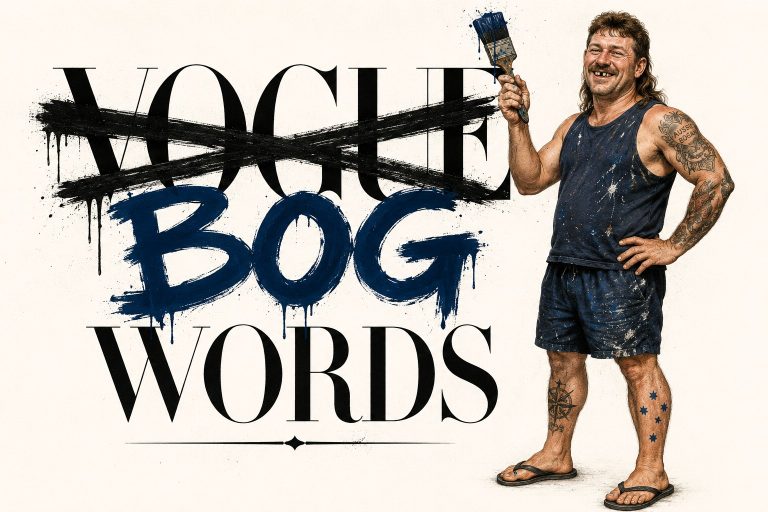
  • Bog Words And The Goldmine Of Bogan Language

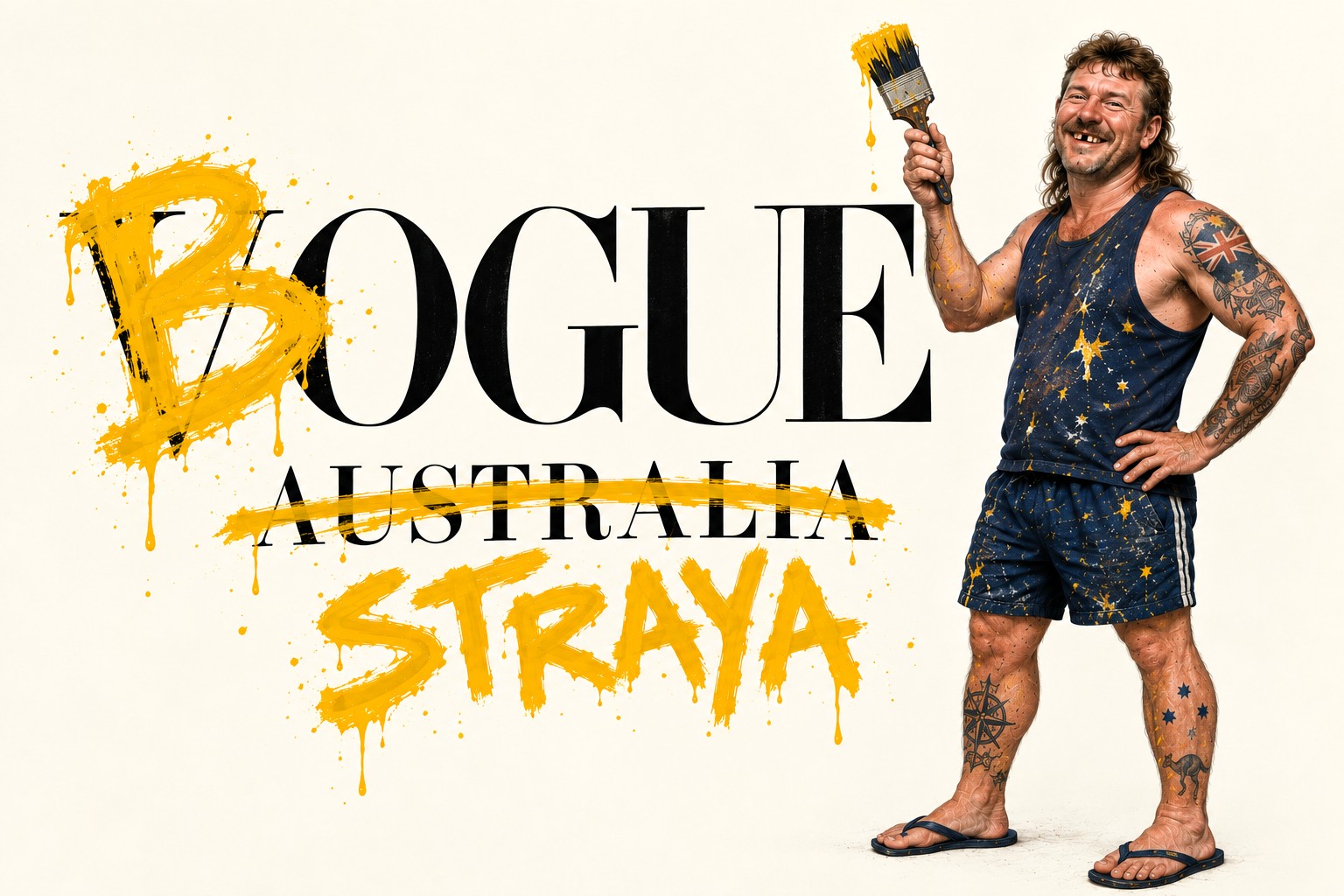
    Bogan culture generates an astonishing amount of linguistic creativity. The fact that Australians can keep attaching suffixes to bogan is itself linguistically interesting. Researchers describe the word as unusually productive in Australian English. And then there is bogan pronunciation. The stereotype exaggerates features of Australian English: fishing → fishin’going → goin’mate → maaate The dropping of final consonants, broad vowels, swearing and exaggerated informality become part of the performance of bogan identity.

  • ボーガンの“影”の部分

    ここまでボーガン文化の面白さや魅力を見てきたけれど、 ロマンチックに語りすぎるのは危険でもある。 「ボーガン」という言葉は、 ときに 強烈な階級差別(classism) を含む。つまり、もっと丁寧に言うと、、、 “上から目線の侮辱を、上品っぽく包んだ言い方” として使われることがある。たとえば、こんな人たちをまとめて貶めるために使われることがある。 そして、ボーガン文化に結びつけられるステレオタイプには、 こんな“暗い側面”も含まれる。 もちろん、 これらが「ボーガンと呼ばれるすべての人」に当てはまるわけではない。むしろ、ここがボーガンという言葉の“厄介さ”であり“面白さ”。 「ボーガン」は“スリッパリー(滑りやすい)”な言葉 ある学術研究では、 「ボーガン」は “sticky sign(粘着する記号)” と呼ばれている。理由はこうだ。同じ言葉が、同時に、、、 を引き寄せるから。 つまり、 ボーガンは侮辱にもなり、誇りにもなり、ジョークにもなり、社会分析にもなる。この“多層性”こそが、 ボーガン文化を単なる俗語ではなく、 オーストラリア文化の深い鏡にしている。

  • Where Did “Bogan” Come From?

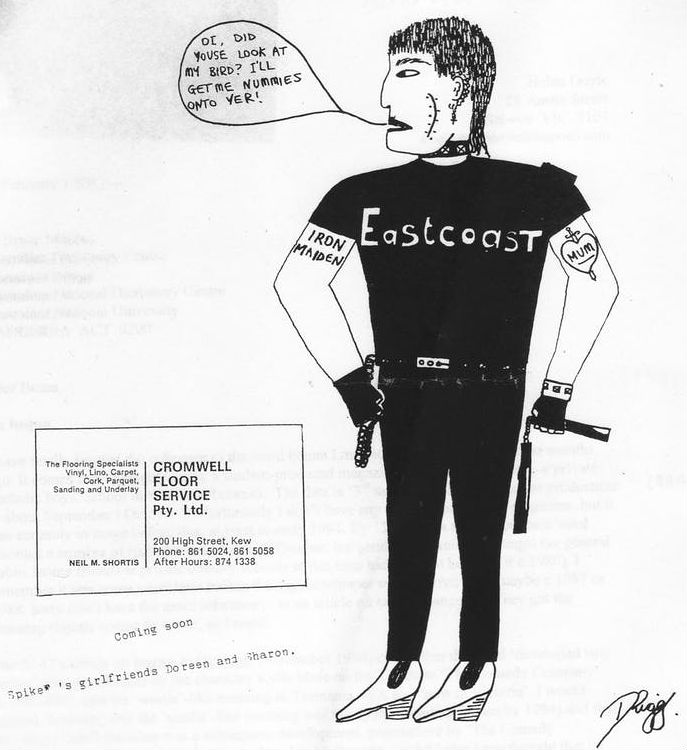
    This is where things get wonderfully murky. The popular theories include: The evidence currently points most strongly toward Melbourne in the early 1980s, although the ultimate etymology remains uncertain. Historian and linguist Bruce Moore found evidence from 1984, in a student magazine at Melbourne’s Xavier College, describing a fictional “bogan doll”. The character already possessed many of the stereotypes we would recognise today: tattoos, long hair, heavy-metal clothing, sleeveless denim, etc. The word then appears in a 1985 issue of Tracks magazine. By the late 1980s it was spreading nationally. By the early 1990s, it was essentially established Australian slang. The really funny part The word may have been popularised…

  • | |

    我輩は日豪パイオニアである:日本の心を掴んだオージーぼっちゃん

    教師でもあり歴史家でもあるジェームス・マードック氏は、その生涯の多くの時間を日本とオーストラリアで過ごした。 ヴェルサイユ条約(パリ講和会議)に於いては、白豪主義真っ只中の豪州国内で、日本が提案した議題、人種的差別撤廃の数少ない支持者であったが、結果的には同条項は採択されなかった。 James Murdoch, a teacher and historian who spent much of his life in Japan and Australia, fought an ultimately losing battle as one of the few supporters in White Australia of Japan’s proposed equality clause in the Treaty of Versailles.

  • |

    シドニーが年中で最も輝く一日

     世界有数なお大晦日行事がオーストラリア最大・最古都市シドニーで行う。 One of the world’s most renowned New Year’s Eve parties takes place annually in Sydney, Australia’s oldest and largest city.  日本で紅白歌合戦が行うと同じようにシドニーでは同市の有名なハーバー・ブリッジとオペラ・ハウスを背景に豪華な花火大会を開催する伝統がある。 Just as Japan has a New Year’s Eve tradition of the Red-White Singing Contest, Sydney’s custom to mark the end of one year and herald the start of another involves setting off fireworks with its famous harbor bridge and opera house as a backdrop.  世界中から真夏のシドニー大晦日を楽しめるために大勢がやって来るし、今年俳優レオナルド・ディカプリオとジェーミー・フォックスがそこでパーティを開いて新年を迎えた後個人ジェットでオーストラリアと時差18時間があるラス・ベーガスに飛べ再び新年を迎える予定だ。 People come from all over the world to celebrate the midsummer fireworks spectacle, with this year’s celebrants including Hollywood superstars Leonardo di Caprio and Jamie Foxx, who plan to welcome the new year in Sydney, then hop onto a private jet and fly…