Squatterはオージーの王室でしょうか?
Is The Squattocracy Aussie Royalty?
法律を何十年も破り続けた結果、政府がついに諦めて、その人を大金持ちにしてしまった。それが、オーストラリアの「スクワッター」の物語だ。
Imagine breaking the law so thoroughly, for so long, that the government eventually gives up and makes you rich instead. That is, in short, the story of the Australian squatter.
Meaning
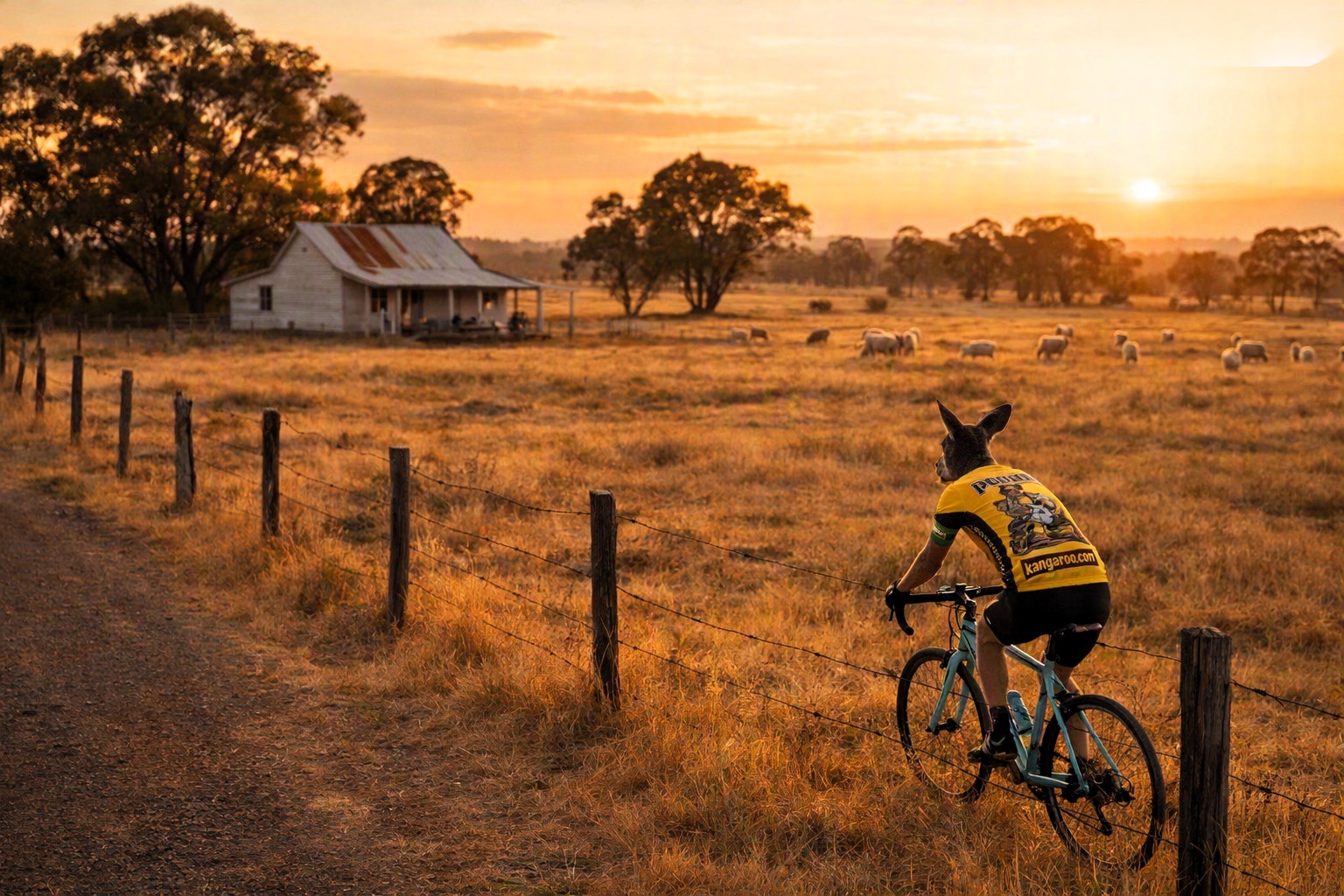
In the early 1800s, a squatter was a settler who occupied vast tracts of Crown land, often land that belonged to indigenous peoples long before European arrival. They had no legal title, simply stealing the land to graze sheep. By the 1840s, colonial authorities began issuing grazing licences to legitimise these claims. Some squatters became so wealthy and powerful they were nicknamed the “squattocracy,” a play on aristocracy. Today the word more commonly refers to anyone who occupies a property without legal right, or, in rural Australia, to the owner of a large station.
19世紀初頭、スクワッターとは、法的な権利を持たないまま王有地。多くの場合、 ヨーロッパ人が来る以前から先住民が暮らしていた土地を 広大に占拠し、羊を放牧していた開拓者を指した。1840年代には植民地政府が 放牧免許を発行し始め、彼らの占拠を事実上、合法化していった。あまりに裕福で 権力を持つようになった者たちは、「貴族階級(aristocracy)」をもじって 「スクワトクラシー(squattocracy)」と呼ばれるようになった。現在では、 不法に土地や建物を占拠する人、あるいは田舎の大牧場のオーナーを指す言葉として 使われている。
Example
“His family’s been squatters out west since the 1850s — the property’s been in the family ever since.”
「彼の家族は1850年代から西部でスクワッターをしていて、その土地はずっと 一族のものなんだ」
日本語では?
面白いのは、同じ「squatter」という単語が、時代とともに正反対の意味を 帯びるようになったことだ。19世紀には「無法者」を意味したが、その子孫たちは やがてオーストラリア屈指の名家となった。一方、現代の都市部で「squatter」 といえば、空き家に無断で住み着く人を指す、まったく別のニュアンスになる。
Did You Know?
The squatters’ unlicensed occupation of land is inseparable from the dispossession of Aboriginal peoples from Country they had lived on for tens of thousands of years — a serious and still-debated part of Australian history, not just a colourful word origin.
日豪関係
Japan has its own long history of land tenure disputes, from feudal-era domain boundaries to post-war land reform. Readers familiar with how Japan’s daimyo once held enormous, informally defended territories will recognise the shape of the squatter story: power built first, legality granted later.
日本にも、土地をめぐる長い歴史がある。封建時代の藩の境界争いから、 戦後の農地改革まで。かつて大名たちが、正式な認可より先に広大な領地を 実質的に支配していたことを知る読者なら、スクワッターの物語の構造に どこか似たものを感じるはずだ。先に力を築き、後から合法性が与えられる、 という構図に。
Words carry history whether we notice it or not. “Squatter” began as an insult and ended up on the title deeds of some of Australia’s grandest properties, a reminder that the powerful get to rename their own past. 言葉は、気づかぬうちに歴史を運んでいる。「スクワッター」は侮辱の言葉として 始まり、やがてオーストラリア屈指の名門地所の権利書に刻まれることになった。力を持つ者は、自らの過去を都合よく語り直せるという、一つの教訓だ。
Related Links