マレットの“異常なほどの大復活”

マレットはここ数年で、 ほぼ文化的リハビリ(rehabilitation)と言っていいレベルの復活を遂げた。

かつてはこうだった。

ボーガンの髪型 → 恥ずかしいもの

その後こうなる。

レトロ髪型 → 皮肉のジョーク

さらにこうなる。

ヒップスター/オルタナ系ファッション → 皮肉系オシャレ

そして今は——

オーストラリアのアイデンティティ → ふつうに主流の髪型

この変遷、冷静に見るとすごい。

マレット大会が存在するという事実

マレットがただの髪型ではなく、 “育てる・評価する・祝う”対象になっていることを示すのが、 全国で開催されるマレット大会。人々は本気でマレットを整え、 審査員は本気で評価し、 観客は本気で歓声を上げる。これはもう、 髪型が文化競技になった瞬間。

そして何より“オーストラリアらしさ”が爆発している

人のマレットを競技として評価する。この発想そのものが、 オーストラリア的ユーモアと自己認識の結晶。

  • ちょっとダサいものを誇らしくする
  • 皮肉と本気を同時に成立させる
  • “普通の人”を祝福する
  • ボーガン文化を笑いながら肯定する

マレットは、 オーストラリア文化の逆説と遊び心を体現する象徴になった。

Cop A Gander At These Rippers Too...

  • Feral: The Strine Superword That Puts A Bogan Basement Price On Any Exy Buy

    One word, four completely different insults or compliments depending on who’s using it and where they grew up. Welcome to one of the most shape-shifting words in Strine. 使う人や育った場所によって、まったく異なる意味の褒め言葉にも侮辱にもなる一つの単語。ようこそ、ストラインの中でも特に変幻自在な言葉の世界へ。 Meaning Feral has (at least) four Australian senses: 1) a New Age hippie or radical environmentalist, often with dreadlocks, living communally; 2) someone living outside a normal home environment, such as a street kid; 3) among teenagers, something disgusting or gross (“that’s so feral”); 4) a person behaving wildly or out of control. Feral には(少なくとも)4つの意味がある。①ニューエイジ系のヒッピー、または過激な環境保護活動家。ドレッドヘアで共同生活をしていることが多い。②家を出て路上などで暮らす若者。③ティーンエイジャーの間で「気持ち悪い」「最悪」を意味する言葉。④手に負えないほど乱暴・野生的に振る舞う人。 Example “The blockade was full of ferals living in tree camps.” / “Ugh, that smell is feral.” (封鎖現場には木の上のキャンプで暮らすferalたちが大勢いた。/うわ、あの匂い最悪。) 日本語での解説 “Feral” はラテン語で「野生動物」を意味する “fera” に由来する。オーストラリアでは1980〜90年代、森林伐採への抗議活動(フォレスト・ブロッケード)に参加していたパンク・ヒッピー系の若者たちを指す言葉として広まり、そこから「家出した若者」「乱暴」「気持ち悪い」といった意味にも拡大していった。文脈によって意味が大きく変わるため注意が必要な単語である。 Australia–Japan Connection Japan…

  • ボーガン罵り言葉のパラドックス

    ボーガン語の中でも特に面白いのが、 オーストラリア人が“罵り言葉を社会的な句読点に変えてしまう”能力。 他の英語圏ならショッキングな単語が、 オーストラリアではこんなふうに使われる。 つまり、 罵り言葉が文法カテゴリーを全部制覇してしまう。もちろん、これはボーガンだけの特徴ではない。 オーストラリア全体の言語文化に根付いている。でも、「ボーガンのステレオタイプは、この“罵り言葉文化”を舞台演劇レベルまで誇張する。

  • 日本とボーガンの“意外な接点”

    ここからが、あなたにとって特に面白い部分。結論から言うと 「日本ボーガン学(Japanese bogan studies)」という学問分野は存在しない。……が、 文化的に比較するとめちゃくちゃ興味深いポイントがいくつもある。 日本にも“それっぽい”カテゴリーがある 日本の読者が「ボーガンって日本で言うと何?」と考えると、 こんな語が候補に上がる。 ただし、 完全な対応語ではない。ここが重要。 ヤンキー文化とボーガン文化は“歴史的背景”が違う 日本のヤンキーは、 戦後の若者反抗文化・不良文化・校内暴力・族文化 といった歴史の中で形成された。一方、ボーガンはもっと階級、趣味・嗜好、オーストラリア的アイデンティティや郊外文化と深く結びついている。つまり、 似ているけど、根っこが違う。だから比較が面白い。 実際、日本人とオージーの間で比較が自然に起きている 最近、 日本人とオーストラリア文化に興味のある人たちが集まる Reddit で こんな質問が出た。 「オーストラリアのボーガンに相当する日本語って何?」 回答として挙がったのは: など。 これは学術的な証拠ではなく、 文化的直感のレベルの話。でも、 比較が自然に人々の頭に浮かぶという事実が重要。それだけ、 ボーガン文化と日本のサブカルチャーには “似ているようで違う”魅力的な接点があるということ。

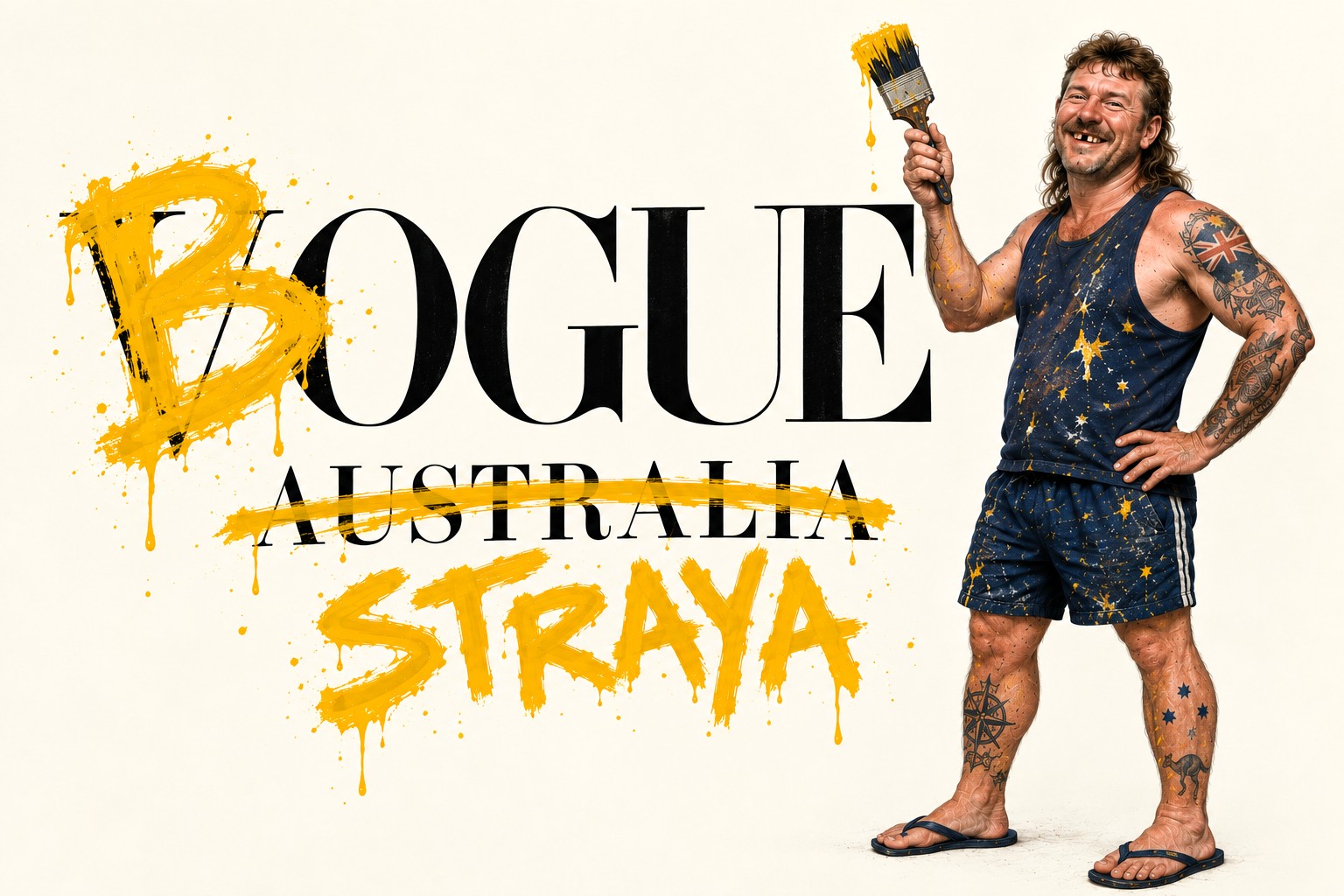
  • Bogue Straya Launches On Kangaeroo.com

    G’day. We’re excited to introduce youse to a Bogue Straya. Bogue Straya is a new subsite dedicated to exploring Australia’s bogan culture with affection, curiosity and respect. Bogue Straya looks at the language, humour, music, fashion, values and identity that shape bogan life–not to mock, but to understand what this cultural phenomenon reveals about Australia and Australians. From its history and evolution to its influence on mainstream culture, and even its surprising connections with Japan, Bogue Straya offers a bilingual look at one of Australia’s most recognisable cultural identities. Take a look at the new subsite and enjoy the journey into bogan culture from both sides of the language divide….

  • The Dark Side Of The Bogan

    It would be a mistake to romanticise the phenomenon completely. “Bogan” can be profoundly classist. It can function as a respectable-sounding way of insulting: And stereotypes associated with bogan culture can also include: But these aren’t inherent characteristics of every person labelled bogan. That’s precisely why the term is so slippery. One academic analysis calls “bogan” a “sticky sign” because it can simultaneously attract contempt, affection, identification and disidentification.

  • The Extraordinary Rise Of The Mullet

    The mullet has undergone something approaching a cultural rehabilitation. It was once: bogan haircut → embarrassment then: retro haircut → ironic joke then: hipster/alternative fashion → ironic fashion and now: Australian identity marker → mainstream hairstyle The existence of organised mullet competitions demonstrates that the hairstyle has become something people actively cultivate, judge and celebrate. And there is something wonderfully Australian about judging a person’s mullet competitively.