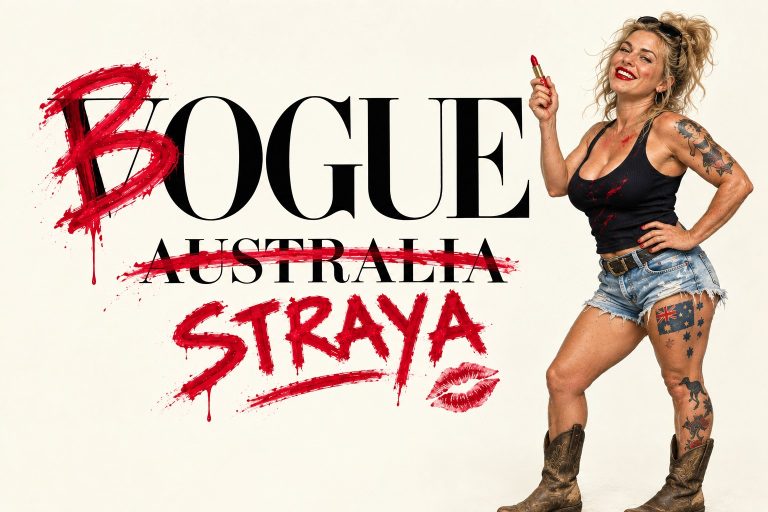
The Dark Side Of The Bogan

It would be a mistake to romanticise the phenomenon completely.

“Bogan” can be profoundly classist.

It can function as a respectable-sounding way of insulting:

  • poor people;
  • people from particular suburbs;
  • people with low educational attainment;
  • people with particular accents;
  • people with particular tastes.

And stereotypes associated with bogan culture can also include:

  • misogyny;
  • racism;
  • homophobia;
  • excessive drinking;
  • violence;
  • anti-intellectualism;
  • antisocial behaviour.

But these aren’t inherent characteristics of every person labelled bogan.

That’s precisely why the term is so slippery.

One academic analysis calls “bogan” a “sticky sign” because it can simultaneously attract contempt, affection, identification and disidentification.

Cop A Gander At These Rippers Too...

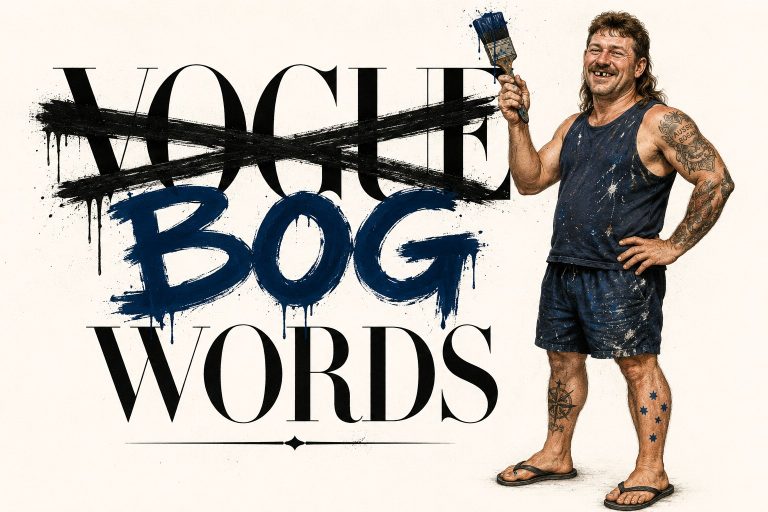
  • Bog Words And The Goldmine Of Bogan Language

    Bogan culture generates an astonishing amount of linguistic creativity. The fact that Australians can keep attaching suffixes to bogan is itself linguistically interesting. Researchers describe the word as unusually productive in Australian English. And then there is bogan pronunciation. The stereotype exaggerates features of Australian English: fishing → fishin’going → goin’mate → maaate The dropping of final consonants, broad vowels, swearing and exaggerated informality become part of the performance of bogan identity.

  • いったい「ボーガン」って何者なのか?

    ここがちょっとややこしい。 まず、みんなが思い浮かべる“典型的ボーガン像”はこんな感じだ。マレットヘア+ネルシャツ(フランノ)+タンクトップ+黒ジーンズ/ショーツ+ブーツかビーチサンダル+タトゥー+ビール+ユート(軽トラ的なやつ)+爆音ミュージック。 このイメージがあまりにも強烈だから、 自分はボーガンじゃないと思ってる人でさえ、 「はいはい、あの感じね」と即理解できる。 でも、最近の研究では“本当の定義”はそこじゃないと言われている。ボーガン=低所得層 ……ではない。 お金持ちでもボーガンになれる。高学歴でもボーガンになれる。バリバリのプロフェッショナルでもボーガンになれる。大学卒で年収6桁の人が「CUB(Cashed-Up Bogan=金持ちボーガン)」と呼ばれることもあるくらい。このCUBの登場はかなり重要で、“貧しい=ボーガン”というイメージを完全にぶち壊した。 より正確な区別は、経済力よりも文化的なセンス(カルチャー・キャピタル)にあるらしい。つまり、ざっくり言うとこうだ。お金はあっても、センスがあるとは限らない。 そしてオーストラリアは、このギャップをネタにしてめちゃくちゃ楽しんでいる国でもある。

  • テレビが“ボーガン”をキャラクター化した

    オーストラリアのテレビは、 ボーガンという侮蔑語を“文化キャラクター”へと変換するうえで決定的な役割を果たした。 いくつかの重要な番組を見てみよう。 The Comedy Company 1980年代後半、 キャラクター Kylie Mole が登場し、 ボーガンという言葉の特定の使われ方を全国に広めた。ティーン文化、郊外文化、ちょいダサさ—— その全部をコミカルにパッケージした存在だった。 Kath & Kim これはオーストラリア史上もっとも鋭い “郊外の願望(suburban aspiration)”研究と言っていい。 Kath と Kim は単に「貧しい」わけではない。彼女たちは、見た目、消費、ステータス、ファッション、セレブやライフスタイルに異常なほど執着している。つまり、ボーガン的“願望”を体現している。「背伸びしたい郊外のオージー」を、 笑いと愛情を込めて描いた作品。 Bogan Pride Rebel Wilson が 2008年に SBS で制作したシリーズ。ここではボーガン文化が 完全にコメディとして前面に押し出され、 “ボーガン・プライド(誇り)”という概念がメインストリームへ進出した。侮蔑語だったはずの言葉が、 「誇り」として再解釈される瞬間をテレビが後押しした。 Upper Middle Bogan これは知的にもっとも面白い作品かもしれない。設定はこうだ。 “ごく普通の中流家庭が、自分たちの生物学的家族がボーガンだったと知ったらどうなる?” このジョークが、 階級・趣味・お金・教育・アイデンティティ といったテーマを深く掘り下げる装置になる。笑いながら、 オーストラリア社会の階級構造を観察できる秀逸なシリーズ。 テレビは、 ボーガンを侮蔑語から文化キャラクターへ、 そして国民的アイコンへと変換した最大のメディア。

  • |

    なぜDagはオージー英語で多様性がある?

    Is “Dag” Strine’s Most Versatile Word? 英語の中で、褒め言葉にも侮辱にもなり、しかも羊のお尻にこびりついた汚れをも 意味する単語はそう多くない。それが”dag”(ダグ)だ。 Few English words can be a compliment, an insult, and a description of something stuck to a sheep’s backside all at once. Welcome to Strine’s “dag.” “dag”にはオーストラリア英語で三つの関連した意味がある。①愛嬌のある変わり者、 親しみを込めて言われることが多い。②社会的に不器用でダサい人、特に十代の 若者を指すことが多い。③文字通り、羊のお尻にこびりついた糞まみれの毛玉。 「ダサい」という意味は、間違いなくこの三番目の、最も格好悪い意味から 生まれたものだ。 A dag has three related meanings in Strine: (1) a character or amusing eccentric — often said with affection; (2) a socially awkward, uncool person, usually a teenager; (3) literally, a lump of dung-matted wool hanging from a sheep’s rear end. The insult sense almost certainly comes from the third, least glamorous meaning. Example “He wore socks with sandals to the wedding. What an absolute dag.” 「結婚式にサンダルと靴下を合わせてきたんだ。本当にダグ(ダサい)やつだよ」 日本語では? 面白いのは、”dag”が必ずしも悪口とは限らないという点だ。”He’s such a…