Ukiyo-e Meets The Aussie Bush
浮世絵と豪州の自然が出会う時はマーガレット・プレストン展
浮世絵の技法でオーストラリアを描いた女性画家
How Japanese Ukiyo-e Helped Margaret Preston Paint Australia
オーストラリア独自の美術を生み出そうとした画家、マーガレット・プレストン(1875–1963)。その革新的な作品を一堂に集めた大規模回顧展が、メルボルンのビクトリア国立美術館(NGV)で開催中だ。
How do you create an artistic identity for a country without simply copying Europe? For Australian modernist Margaret Preston (1875–1963), part of the answer lay in Japan.
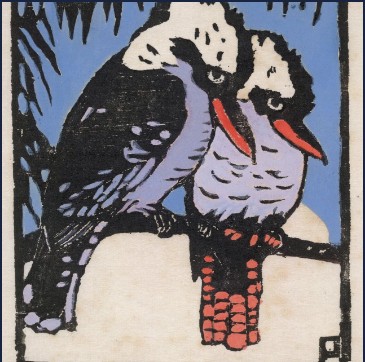
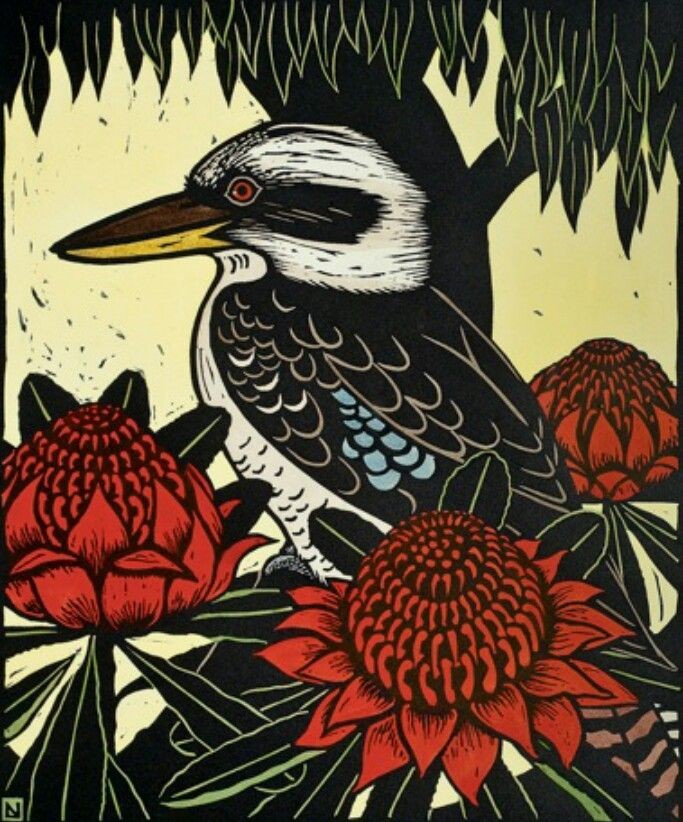
アデレード生まれのプレストンは、英国やヨーロッパで美術を学び、日本の浮世絵をはじめとするさまざまな芸術に影響を受けた。1919年にシドニーへ戻ると、ヨーロッパの伝統をなぞるのではなく、オーストラリアならではの視覚表現を追求するようになる。
Born in Adelaide, Preston studied art in Australia before travelling extensively through Britain and Europe. There she encountered modern artistic movements and developed a lasting interest in Japanese ukiyo-e woodblock prints. Returning to Sydney in 1919, she set out to develop a distinctly Australian visual language.
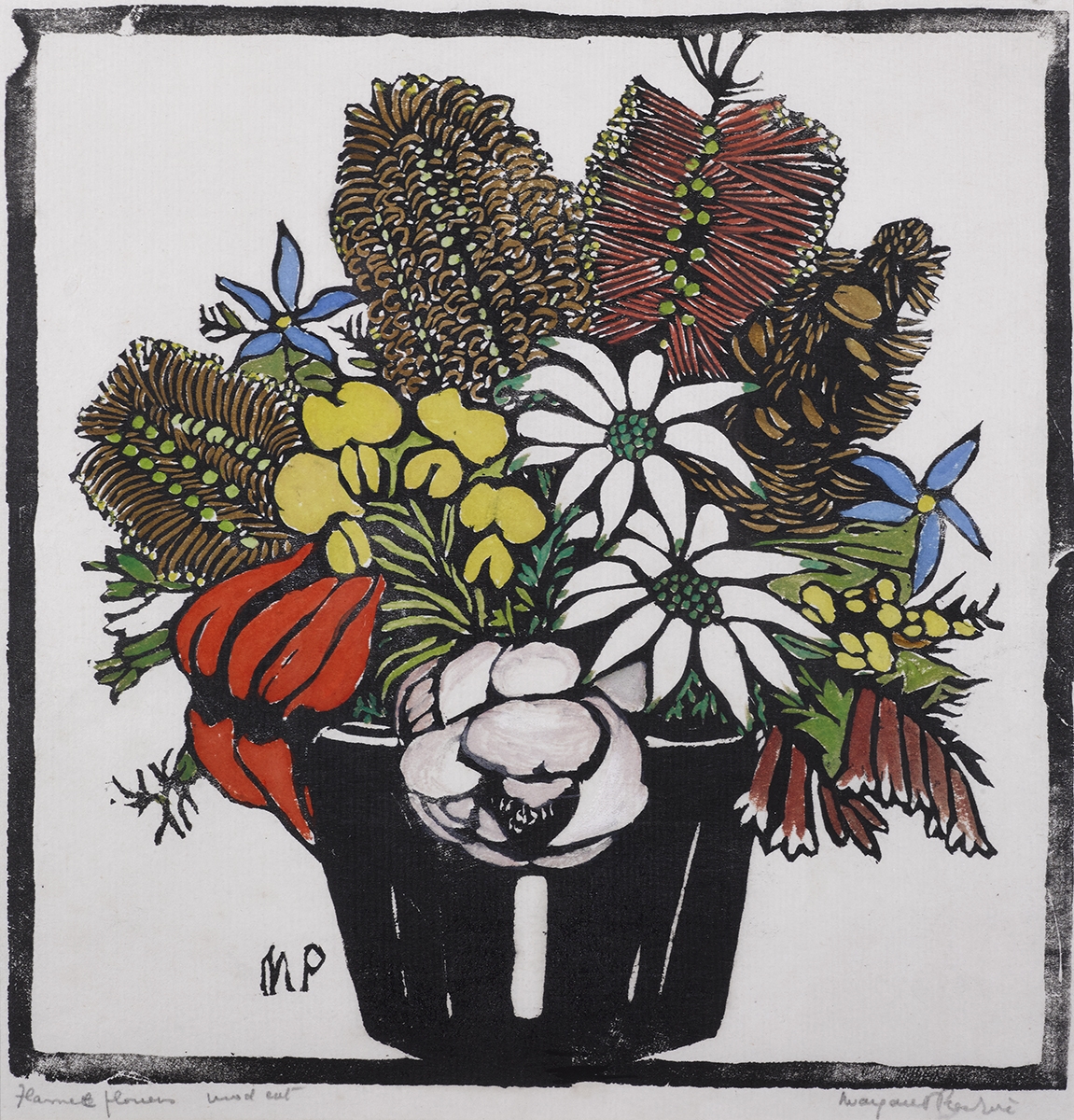
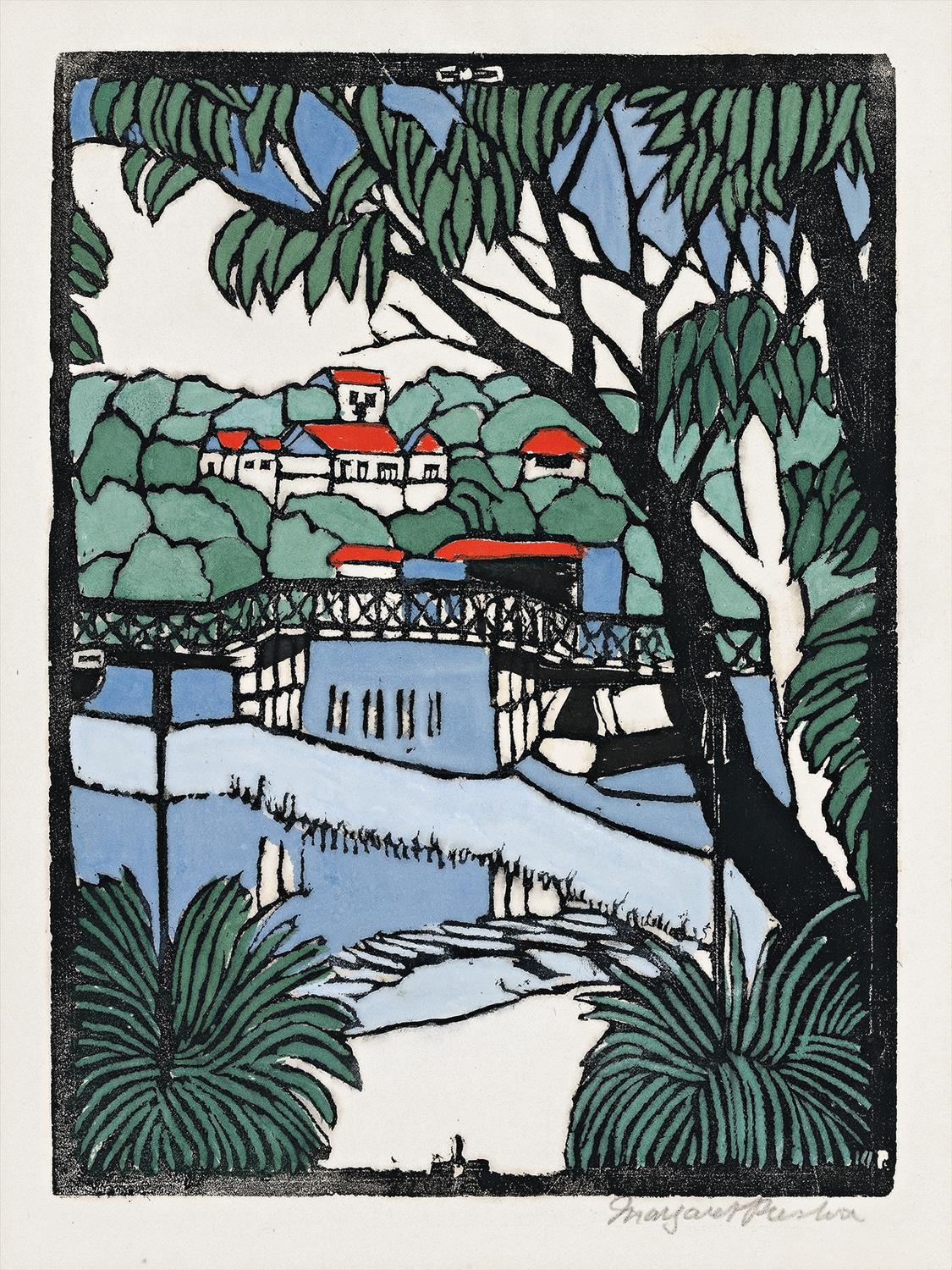
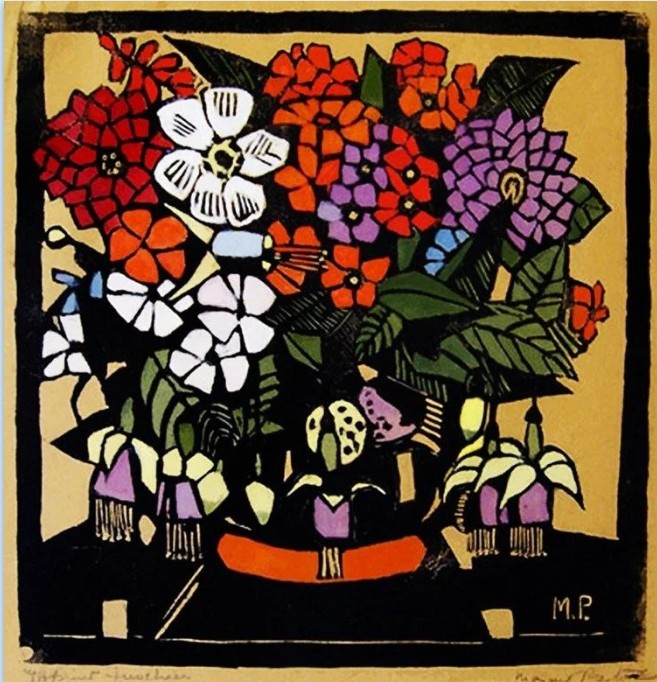
その大きな手がかりとなったのが浮世絵だった。遠近法に頼りすぎず、平面的な色面を大胆に組み合わせ、画面の端でモチーフを思い切って切り取る。プレストンはこうした技法を木版画に取り入れ、オーストラリア固有の花々や鳥、シドニー湾の風景を鮮やかに表現した。日本の伝統的な版画技法が、ユーカリの葉やオーストラリアの野花を描くための新しい言葉になったのだ。
Ukiyo-e offered her a fresh way to see the world. Rather than relying on conventional Western perspective, Japanese prints often use flattened space, strong areas of colour and strikingly cropped compositions. Preston adapted these principles to woodblock prints of Australian native flowers, birds and Sydney Harbour. The result was a bold, modern vision of Australia in which local subjects were treated with the graphic confidence of Japanese printmaking.
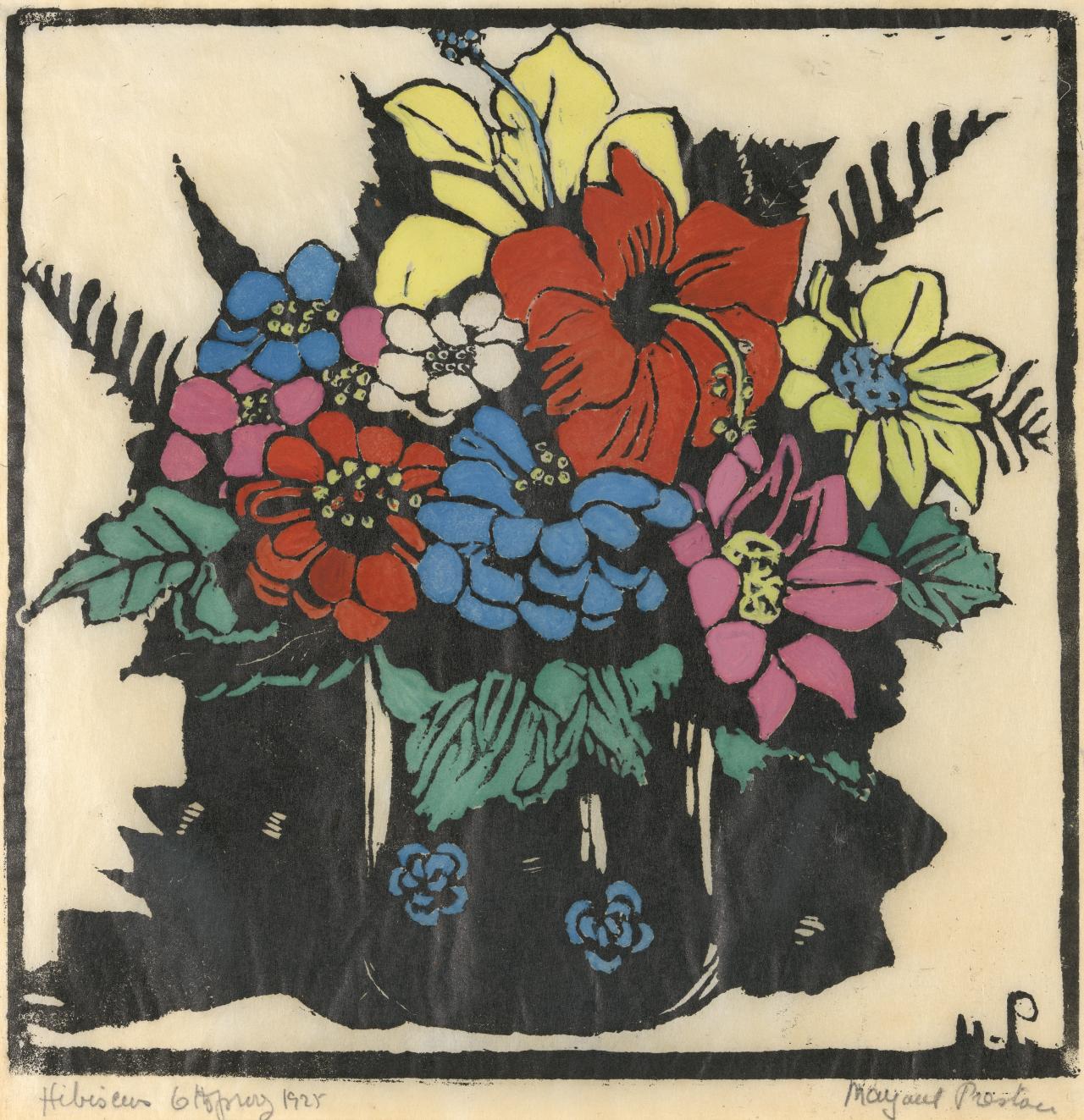
今回の展覧会では、絵画、版画、彫刻など200点を超える作品や資料を通じて、その創作の軌跡をたどることができる。一方、先住民の意匠を取り入れた作品については、現代の先住民アーティストの作品も交え、その文化的な背景や借用の問題にも目を向ける。
A major retrospective at Melbourne’s National Gallery of Victoria (NGV) now traces this remarkable career through more than 200 paintings, prints, sculptures and archival materials. Visitors can explore the artist’s experiments with colour and composition, including the woodblock prints that became central to her reputation. The exhibition also examines the more complicated side of Preston’s legacy: her use of First Nations visual traditions. By placing historical works alongside contemporary First Nations artists, the NGV invites visitors to consider questions of cultural appropriation and the ways Australia’s national identity has been constructed.
日本の美術が遠く離れたオーストラリアの風景表現をどう変えたのか。日豪の文化交流を考えるうえでも興味深い展覧会だ。
For anyone interested in the artistic connections between Japan and Australia, this is an opportunity to discover how an art form born in Japan helped transform the way an Australian artist depicted her own country.
会場・開催情報
- 会期:2026年9月4日~2027年1月31日
- Dates: 4 September 2026 – 31 January 2027
- 会場:The Ian Potter Centre: NGV Australia(メルボルン、Fed Square)
- Venue: The Ian Potter Centre: NGV Australia, Fed Square, Melbourne
- 開館時間:毎日午前10時~午後5時(12月25日は休館)
- Opening hours: Daily, 10am–5pm; closed Christmas Day
- 入場料:一般35豪ドル、コンセッション33豪ドル。別料金が必要。
- Admission: Adult A$35; concession A$33. Tickets required.
- 公式サイト・チケット:NGV – Margaret Preston
- Official information and tickets: NGV – Margaret Preston
More You Might Like…