Went Viral! (And Didn’t Have a Bloody Clue!)

It’s pretty clear my career is finished so one of my current greatest worries is how I am going to repay the mortgage on Kangaeroo Corner and, being grossly over-educated and severely lacking talent, becoming a YouTuber making viral videos has popped up in my mind as a way.

Given that I am paying serious thought to the above idea, it’s pretty clear I have no sense of reality.

So, it didn’t really come as a surprise to learn that I posted a video that went viral and I had no idea about it’s popularity until yesterday….10 1/2 years after the video went up.

The video was of a young Johnny Depp during a 1988 appearance on Hey, Hey, It’s Saturday, then one of Australia’s top rating TV shows (and led into by 21 Jump Street, the TV show that helped turn Depp into a heartthrob.

I can’t even remember the circumstances behind the original post, and I’m pretty sure YouTube gave me a copyright strike over this. But it all happened so long ago. Still, it was fun to find out.

Depp would, of course, go on to became a massive superstar. His career also seemed over a couple of years ago, but may not be done yet. Hey, Hey would run for another decade, ending a 30-year run in 1999 and then making a comeback a decade later only to end in ignominy amid accusations of racism. Ossie Ostrich, the pink bird in the photo with Depp above, was one of the co-hosts with Darryl Somers and a bevy of beauties through the years, and would end his run with the program with his reputation untarnished. This segment appeared just before I left Australia to visit Japan. Immigrate here, as it turned out, though that was never the intention until decades after it had happened and returning was not an option.

Click the link below to watch the video (as suspected, the copyright owner blocked embedding):

Johnny Depp Down Under on Hey, Hey, It’s Saturday

Original story from July 8, 2013: 若かりしジョニー・デップの珍しい豪訪問

Cop A Gander At These Rippers Too...

  • |

    豪一厳しい経営者日本人が「客の悪マナー」を理由にレストランを閉店

    オーストラリアで「最も厳しいレストラン」とされているシドニーのWafuは、経営者であるイチカワ・ユカコ氏(42)の判断で閉店することになっている、と5日付のシドニー・モーニング・ヘラルド紙が報道した。  イチカワ氏によると「客がドッギー・バッグを持参しない、ファースト・フッドを食いすぎ、食事を完全に食べない」などを理由に閉店に乗り出した。  イチカワ氏が書く店のブログによると経営に問題がないが、閉店に当たって世界経済低迷も影響もあったという。  Wafuは、シドニーで大人気だった。会員制で1回目そこで食事する前に必ず講座を受けなければならないことが絶対条件だった。その他のルールも大変厳しかった。 店の外に看板で書かれているWafuのルールは以下の通り。 * 食事マナーが消化のために大切にすること * 許可なしで座らないこと * きちんと座って、リラックスすること * 食事を共に食べること * 食べたら、お箸をおいておいてよく噛むこと * お食事が出ましたら「いただきます」を言うこと * 食器などをいじらないこと * 必要以上の醤油を使わないこと * 醤油及び米を無駄にしないこと * 食べ物を無駄にしないこと * 食べなければわさびかしょうがを頼まないこと * 電話でうるさく喋れないこと * 食べ物を無駄にしないこと * 物などを壊したら、弁償を申し出ること イチカワ氏筆Wafuブログにての閉店メッセージ (英語) Surry Hills restaurateur with notorious rules lashes Sydney’s ‘greedy’ diners as she announces closure with online rant(英語) This real iron chef will make you pay(英語)

  • |

    Aussie ‘X’ Gender Passports Given the Wako Treatment in Japan

    Australia’s revolutionary passports have been given the Wako treatment in Japan. No, that’s not a spelling mistake (it’s pronounced Wah-Koh, not whacko), nor does it mean Down Under travel documents are being held up to ridicule. In fact, Wako University, a tertiary institution located in the outer Tokyo suburb of Machida, typically uses posters hung up in the carriages of capital area trains to provide a short lesson for commuters. The university’s current poster focuses on how Australia now deals with the issue of gender when it comes to issuing passports. The distinctive yellow posters, effectively an advertisement for the privately funded university, feature a kangaroo with joey and people…

  • | |

    Why Hasn’t Australia Produced a Professional Sumo Wrestler?

    なぜオーストラリアから大相撲力士は誕生していないのか? Australia has produced Olympic wrestlers, world champions and elite athletes in almost every sport imaginable. And walking on any Aussie city street, you’d reckon there’s plenty of decent candidates for a sport demanding a massive girth. Yet one Japanese sport has remained out of reach. Why has no Australian ever competed in professional sumo? オーストラリアは、オリンピック選手や世界チャンピオンなど数多くのトップアスリートを輩出してきました。しかし、日本の国技・大相撲だけは例外です。なぜ、オーストラリア出身の大相撲力士はいないのでしょうか。 A Sport Unlike Any Other 特別なスポーツ Professional sumo is much more than a sport. It is a centuries-old way of life, built around strict traditions, communal living and total dedication to a sumo stable. Becoming a professional rikishi means embracing an entirely new culture. 特別なスポーツ 大相撲は単なるスポーツではありません。 何百年も受け継がれてきた伝統や共同生活、厳しい規律の中で成り立っています。 力士になるということは、新しい文化そのものを受け入れることでもあります。 The Door Is Narrow 狭き門 For…

  • |

    Australian Football’s Tokyo Area ‘Samurai’ Off to the World Cup

    Australia rarely makes the news in Japan, so it’s interesting to see it on the front page of the Asahi newspaper June 4 evening edition. The story is about Japan’s Aussie Rules team, the Samurais, who’ll be battling it out in the International Cup starting from June 8. Japan has a really small, but thriving, Australian Rules competition, with two leagues (including several all-Japanese teams), the Eastern League, centering on Tokyo and surrounding areas, and the Western League, comprising Osaka and Nagoya. Here’s an excerpt from the Asahi report: サッカー・ワールドカップ(W杯)大会が迫るなか、「世界で最も激しい」というフットボールの世界大会も8月に開かれる。それってラグビー? いえいえ、オーストラリアンフットボール。豪州では国技と言われる大人気のプロスポーツだ。5大会連続で出場する日本代表も、追い込みに入っている。 A translation: Just as the soccer World Cup is about to hit us, another football world championship — this one…

  • | |

    Why Did Aussie Farmers Invest In Japanese Genetics?

    なぜオージーの畜産家は日本の和牛遺伝資源に投資したのか? When Australia’s cattle industry discovered the extraordinary qualities of Japanese wagyu, success was anything but guaranteed. A small group of pioneering Aussie breeders took enormous risks, investing in bloodlines from the other side of the world. Their gamble helped create one of Australia’s most remarkable agricultural success stories. オーストラリアの畜産業が日本の和牛に注目した当時、その成功は決して約束されていませんでした。遠く日本の和牛遺伝資源に投資した少数のオージー畜産家たちの挑戦が、やがて世界的な成功へとつながっていきます。 A Leap Into the Unknown 未知への挑戦 In the early 1990s, premium beef was becoming increasingly important in international markets. While Australia already exported large volumes of beef, a handful of producers believed there was room for something exceptional. Japanese wagyu stood apart from every other breed they had studied. Its extraordinary marbling, eating quality and long-established reputation convinced them that…

  • | |

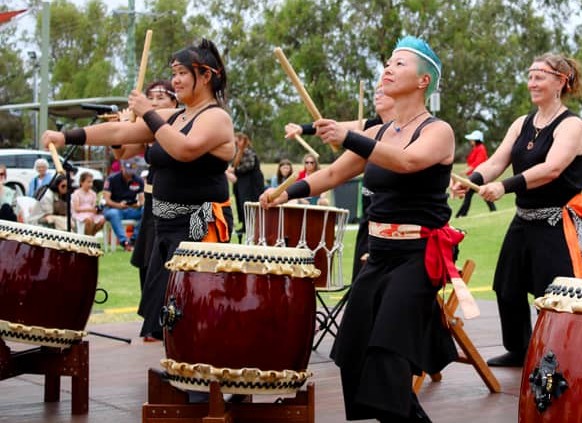
    Why Do Japanese Musicians Keep Bringing Taiko to Australia?

    なぜ日本の和太鼓はオーストラリアで愛され続けているのか? From school halls to multicultural festivals, the powerful sound of taiko echoes across Australia. Behind every performance are Japanese teachers and volunteers who have spent decades sharing far more than music. 学校の体育館から各地のフェスティバルまで、力強い和太鼓の音がオーストラリア中に響いています。その背景には、音楽だけでなく日本文化そのものを伝えてきた多くの日本人指導者の存在があります。 More Than a Performance 演奏だけではない Taiko performances are exciting. But rehearsals are where friendships begin. Australian and Japanese players practise together for months before stepping onto the stage. 演奏だけではない 和太鼓は迫力ある演奏が魅力です。 しかし、本当の交流は練習から始まります。 日本人とオージーのメンバーは、何か月も一緒に汗を流して本番を迎えます。 Teaching Without Words 言葉を超えた指導 Many Japanese instructors speak only limited English. Many Australian students know little Japanese. Rhythm becomes their shared language. 言葉を超えた指導 日本人指導者の中には英語が得意ではない人もいます。 一方、オージーの生徒も日本語を話せるとは限りません。 それでも太鼓のリズムが共通の言葉になります。 Building Community 地域をつなぐ太鼓 Community festivals across Australia regularly feature taiko performances. They attract audiences of every background. For many…