Why Did Aussie Farmers Invest In Japanese Genetics?
なぜオージーの畜産家は日本の和牛遺伝資源に投資したのか?
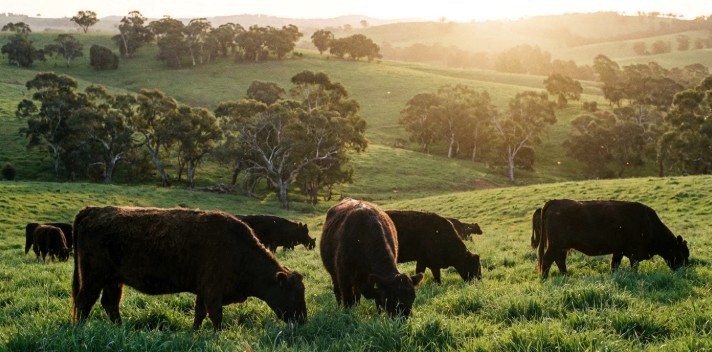
When Australia’s cattle industry discovered the extraordinary qualities of Japanese wagyu, success was anything but guaranteed. A small group of pioneering Aussie breeders took enormous risks, investing in bloodlines from the other side of the world. Their gamble helped create one of Australia’s most remarkable agricultural success stories.
オーストラリアの畜産業が日本の和牛に注目した当時、その成功は決して約束されていませんでした。遠く日本の和牛遺伝資源に投資した少数のオージー畜産家たちの挑戦が、やがて世界的な成功へとつながっていきます。
A Leap Into the Unknown
未知への挑戦
In the early 1990s, premium beef was becoming increasingly important in international markets. While Australia already exported large volumes of beef, a handful of producers believed there was room for something exceptional.
Japanese wagyu stood apart from every other breed they had studied.
Its extraordinary marbling, eating quality and long-established reputation convinced them that the future of premium beef might lie in Japanese genetics.
未知への挑戦
1990年代初め、世界では高級牛肉への関心が高まり始めていました。オーストラリアはすでに牛肉輸出大国でしたが、一部の畜産家はさらに高い価値を持つ牛肉を生み出せると考えていました。
その答えが、日本の和牛でした。
美しい霜降り、優れた食味、そして長い年月をかけて築かれた品質への信頼は、他の品種とはまったく異なる魅力を持っていたのです。
More Than Buying Cattle
牛を買うだけではなかった
Importing wagyu genetics was only the beginning.
Australian breeders had to learn unfamiliar bloodlines, breeding records and feeding systems. Every decision required patience because results would take years to appear.
Building a successful herd became a long-term commitment rather than a quick commercial opportunity.
牛を買うだけではなかった
和牛の遺伝資源を導入することは、出発点にすぎませんでした。
血統管理や繁殖方法、肥育技術など、これまでとは異なる知識を一から学ぶ必要がありました。
成果が現れるまでには長い時間がかかるため、短期的な利益ではなく、将来を見据えた挑戦でした。
Science Meets Experience
科学と経験が出会う
Australian producers combined modern livestock science with decades of practical farming experience.
Researchers, veterinarians and breeders worked together to understand how Japanese bloodlines would perform under Australian conditions.
Rather than copying Japanese methods exactly, they adapted them to Australia’s climate, pastures and production systems.
科学と経験が出会う
オージーの畜産家たちは、長年培ってきた経験と最新の畜産科学を組み合わせました。
研究者や獣医師、生産者が協力し、日本の血統がオーストラリアの環境でどのように育つかを検証していきました。
日本の方法をそのまま真似るのではなく、オーストラリアの気候や牧草地に合わせて改良していったのです。
Trust Across Two Countries
国境を越えた信頼
Developing Australia’s wagyu industry depended on more than technology.
It relied on relationships.
Japanese breeders shared knowledge accumulated over generations, while Aussie producers demonstrated that they were committed to maintaining the integrity of wagyu breeding.
Mutual trust became one of the industry’s greatest strengths.
国境を越えた信頼
オーストラリア和牛の発展を支えたのは、技術だけではありませんでした。
何より大切だったのは、人と人との信頼です。
日本の生産者は長年培った知識を共有し、オージーの畜産家は和牛の価値を守り育てる姿勢を示しました。
その信頼こそが、この産業の礎となったのです。
Rewards Worth Waiting For
時間をかけたからこその成果
The investment demanded patience.
Years passed before the first breeding decisions produced consistent results.
When they did, Australian wagyu earned an international reputation for quality and reliability.
Today, that early confidence continues to reward producers and consumers alike.
時間をかけたからこその成果
成果が現れるまでには何年もの歳月が必要でした。
しかし、積み重ねた努力は世界的な評価となって実を結びます。
現在では、オーストラリア産和牛は品質の高さと安定した供給で高く評価され、生産者だけでなく世界中の消費者にも恩恵をもたらしています。
More Than Good Business
ビジネスを超えた協力
Looking back, Australia’s investment in Japanese genetics was about far more than producing premium beef.
It showed what could happen when two countries combined their strengths, respected one another’s expertise and worked towards a shared goal.
Few agricultural partnerships have been as successful—or as enduring.
ビジネスを超えた協力
振り返れば、日本の和牛遺伝資源への投資は、単なる高級牛肉づくりではありませんでした。
互いの技術を尊重し、強みを持ち寄り、共通の目標に向かって歩んだ日豪協力の成功例だったのです。
これほど長く続き、大きな成果を上げた農業協力は決して多くありません。
Did You Know?
Many of Australia’s earliest wagyu breeders had little certainty that the investment would succeed. Developing a premium herd required years of careful breeding before results could be measured.
豆知識
初期のオージー和牛生産者たちは、成功を確信していたわけではありませんでした。優れた牛群を育てるには、長年にわたる計画的な繁殖と忍耐が必要だったのです。
Next Time…
Aussie wagyu has become one of the world’s great premium food success stories.
But perhaps its greatest achievement isn’t commercial at all.
In What Does Wagyu Tell Us About Australia–Japan Cooperation?, we’ll discover what wagyu can teach us about friendship, trust and cooperation between Australia and Japan.
次回予告
オーストラリア和牛は世界的な成功を収めました。
しかし、その最大の成果はビジネスではないのかもしれません。
What Does Wagyu Tell Us About Australia–Japan Cooperation?では、和牛が教えてくれる日豪の友情と信頼、そして協力の物語をご紹介します。
Sources
- Australian Wagyu Association
- Meat & Livestock Australia[
- Australian Bureau of Agricultural and Resource Economics and Sciences (ABARES)
- Japanese Ministry of Agriculture, Forestry and Fisheries
- World Organisation for Animal Health (WOAH)
- Australian Centre for International Agricultural Research