Akiya Akita (空き家、飽きた), Or How I Got Sick Of The Idea Of A Japanese Home Too Cheap To Be True

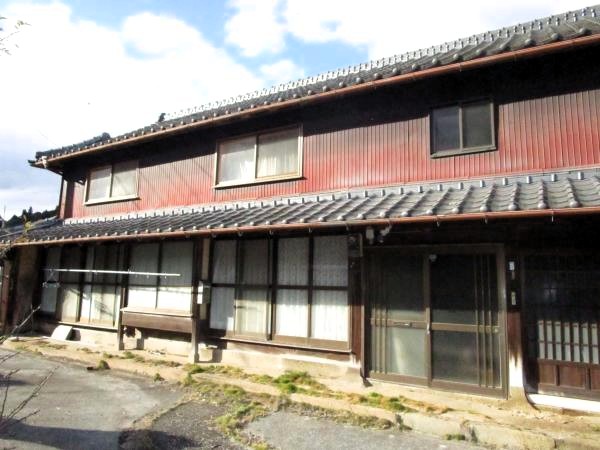
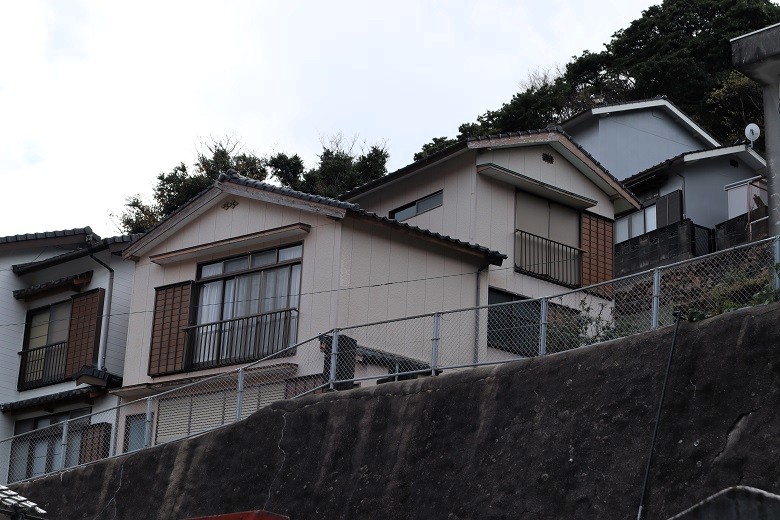
Having lived in Japan for decades, it’s suddenly strange to see the country become what seems to be the global flavor the month, particularly when it comes to the phenomenal interest in akiya, one of the millions of empty homes throughout the country. All of the photos in this post are of akiya on sale for less than 1 million yen, which is about A$10,000 at the time of writing, picked up off a site at random.

Akiya has become a well-known word globally as people have become attracted by the prospect of owning real estate for a fraction of the price of property in their homeland.

I understand the allure: Akiya have been a common part of the countryside in Japan for at least the past three decades, with availability drawing ever closer to major urban centers as time has passed.

Around the turn of the millenium I was making decent money and attracted by the idea of having a place of my own where I could work remotely and claim onwership, which drew me to the akiya.

Himawari Fudosan was at the time probably Japan’s only real estate agent specializing in cheap, resport-area properties that nobody wanted anymore for various reasons, the least of which was the glut of holiday properties built during Japan’s economic bubble.

It was quite easy then to find apartments for sale under 1 million yen (though often with monthly management fees of about 100,000 yen or more), even in places like Atami, a beachside town barely an hour out of central Tokyo by bullet train.

Bear in mind that in 2000, house prices in Japan had only dropped marginally from their bubble-era heyday, so the cheap plots were mouther-wateringly enticing.

They seemed too good to be true. Because they were too good to be true. And the more obstacles that arose to picking up an akiya, the closer to got to akita, 飽きた, the “ancient Japanese art of getting sick and tired of shit.”

Nowadays, akiya are, well, hot property.
There’s lots of foreigners who are keen on getting their plot of Japanese land. I can see the appeal. Japan is safe, clean and things work.

For many foreigners, the country is also presented as some kind of wonderland where the traditional and futuristic are magically blended together. I dunno.

I’m not a real estate agent, nor do I know much about the akiya.

Among the many things that decades of life in Japan has taught me, though, is that most people in the country are not total nitwits, so there are more than likely going to be very valid reasons for why a property has been abandoned. Living here is an entirely different ball game to paying a visit, too.

I’m often tempted to re-examine the idea of buying an akiya, but I live in an estate having trouble filling the empty spaces as it is. We got our property for a pittance, really. And I guess prices are even cheaper.

There’s a notable akiya about three minutes’ walk from our home in an almost prime location and just 30 minutes by train from Shinjuku in central Tokyo.
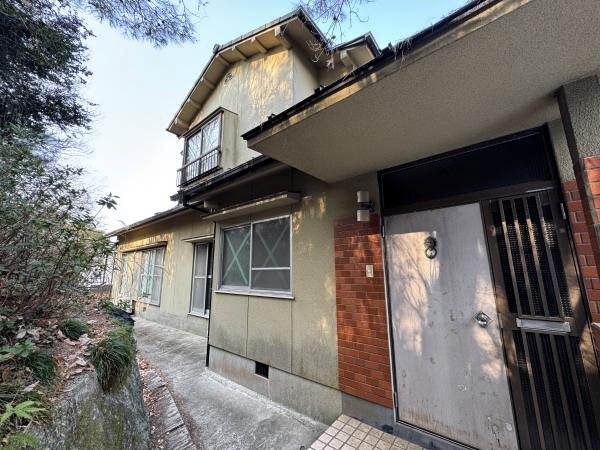
It reinforces for me the idea that akiya are vacant for a reason, and picking up one of these places should demand a large degree of caution. Japan is depopulating and many of the vacant properties are in isolated, rural areas with few facilties.

Having said that, there are loads of places to look into akiya these days, some of which are listed below. I particularly like the old Tokyo Cheapo article that goes into the pros and cons of the properties and is regularly updated.

Akiya Banks in Japanese include Lifull Homes, at home, Sumai akiyabiz, and Himawari Fudosan, the latter being the first place I’d ever looked for an akiya over a quarter of a century ago and still in operation, though seemingly centered on Chiba Prefecture now instead of nationwide resort area coverage as it was then.

Akiya Banks in English include Akiya Banks, Akiya Banks in Japan, Akiya Japan and Akiyahopper.

I’ve got no idea how reliable any of these places are, I’m just including them as examples of the trend.