
豪キャブラリー: Apples
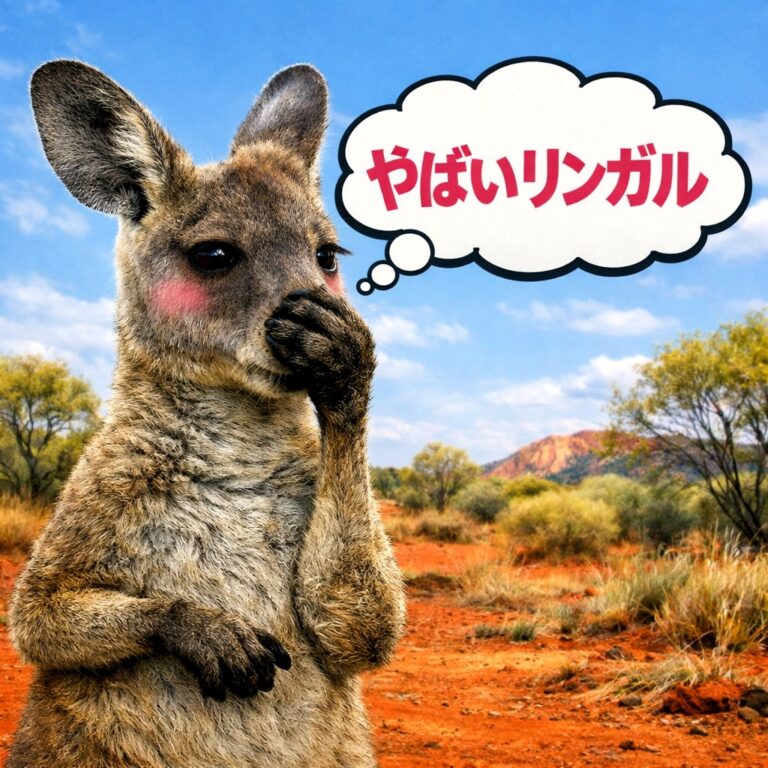
英語を学び始める時、アルファベット順の最初の文字「A」の例としてappleが必ずと言っていいほど出てくる。当然、オージー英語を学ぶ場合も同じだが、本来の意味「りんご」の他にもiPadなどで有名なアップル社や「大丈夫だよ」などの意味がある。
 | 豪 | 英・米語 | 日本語 |
| Apples | No problem. Everything will be all right | 直訳すると、ただの「リンゴ」だけど、意味が「大丈夫」とか「ドンマイ」などのような感じ |
英語を学び始める時、アルファベット順の最初の文字「A」の例としてappleが必ずと言っていいほど出てくる。当然、オージー英語を学ぶ場合も同じだが、本来の意味「りんご」の他にもiPadなどで有名なアップル社や「大丈夫だよ」などの意味がある。
| 豪 | 英・米語 | 日本語 |
| Apples | No problem. Everything will be all right | 直訳すると、ただの「リンゴ」だけど、意味が「大丈夫」とか「ドンマイ」などのような感じ |

Dunny is an Australian slang word for a toilet. 日本語の意味 Dunny は「トイレ」を意味する代表的なオーストラリア英語です。 Explanation Before indoor plumbing became common, many Australian homes had outdoor toilets located at the back of the property. These were known as dunnies. Although most Australians now have modern bathrooms, the word remains widely used. 日本語での解説 昔のオーストラリアでは、トイレが家の外に設置されていることがよくありました。 そのようなトイレを “dunny” と呼んでいたことから、現在でも「トイレ」という意味で使われています。 Example “Mate, where’s the dunny?” “Out the back near the shed.” 日本語訳 「トイレどこ?」 「裏庭の物置の近くだよ。」 Strine Culcha Dunny is one of the first Australian slang words many visitors learn. 文化メモ “dunny” はオーストラリア英語を代表する単語の一つで、多くの旅行者が最初に覚えるスラングです。 Related Terms

ボーガン語の中でも特に面白いのが、 オーストラリア人が“罵り言葉を社会的な句読点に変えてしまう”能力。 他の英語圏ならショッキングな単語が、 オーストラリアではこんなふうに使われる。 つまり、 罵り言葉が文法カテゴリーを全部制覇してしまう。もちろん、これはボーガンだけの特徴ではない。 オーストラリア全体の言語文化に根付いている。でも、「ボーガンのステレオタイプは、この“罵り言葉文化”を舞台演劇レベルまで誇張する。

Given that this site started with the intent of spreading information about Japan and Australia and matters related to these countries, including languages, and then how much focus I have placed on gardening over the past couple of years, it’s surprising that I haven’t had much to say about bonsai. Or bonzer, for that matter. Bonsai is, of course, the Japanese art of miniature tree growing in trays: the literal meaning of the word bon (tray) sai (gro/cultivate). And, despite having written a Strine Dictionary, or list of Australian English terms, one of its notable absentees is the word bonzer, which was perhaps an iconic term Down Under in the…

「ファースト・オーストラリアンズ」(英語)は、2008年作のドキュメンタリー。先住民の視野からオーストラリアの歴史を記録する。必見だ! 今日は7作目5部中4部目。
物が少しグラグラ動く事を米・英語ではwobblyと言うが、オージー英語の場合は同じ言葉を、別の状況に対して使う。続けて読めば、どのように使うかが分かる。 Something a little shaky is “wobbly” in most forms of English, but wobbly takes on a different meaning when used in Strine, Australian English. Read on to find out how.

A tiny Tasmanian town once known for its female factory has become a magnet for anime fans around the world because of its apparent connection with a witch. Ross, the town with a population of just over 400 and located just over 100 kilometers north of the Tasmanian capital of Hobart, attracts Studio Ghibli anime fans globally, particularly from Japan. The town’s bread shop is said to be the real-life inspiration for the Gütiokipänja Bakery where Kiki, the young witch titular character of Kiki’s Delivery Service, is said to base her business in the 1989 Studio Ghibli hit. The Ross Village Inn has set up an attic space to mimic…
We use cookies to improve your experience on our site. By using our site, you consent to cookies.
Websites store cookies to enhance functionality and personalise your experience. You can manage your preferences, but blocking some cookies may impact site performance and services.
Essential cookies enable basic functions and are necessary for the proper function of the website.
These cookies are needed for adding comments on this website.
Statistics cookies collect information anonymously. This information helps us understand how visitors use our website.
Google Analytics is a powerful tool that tracks and analyzes website traffic for informed marketing decisions.
Service URL: policies.google.com (opens in a new window)