Bonzer Bonsai!

Given that this site started with the intent of spreading information about Japan and Australia and matters related to these countries, including languages, and then how much focus I have placed on gardening over the past couple of years, it’s surprising that I haven’t had much to say about bonsai. Or bonzer, for that matter.

Bonsai is, of course, the Japanese art of miniature tree growing in trays: the literal meaning of the word bon (tray) sai (gro/cultivate).

And, despite having written a Strine Dictionary, or list of Australian English terms, one of its notable absentees is the word bonzer, which was perhaps an iconic term Down Under in the 20th century until American influence started to permeate the language from the early 1940s onward.

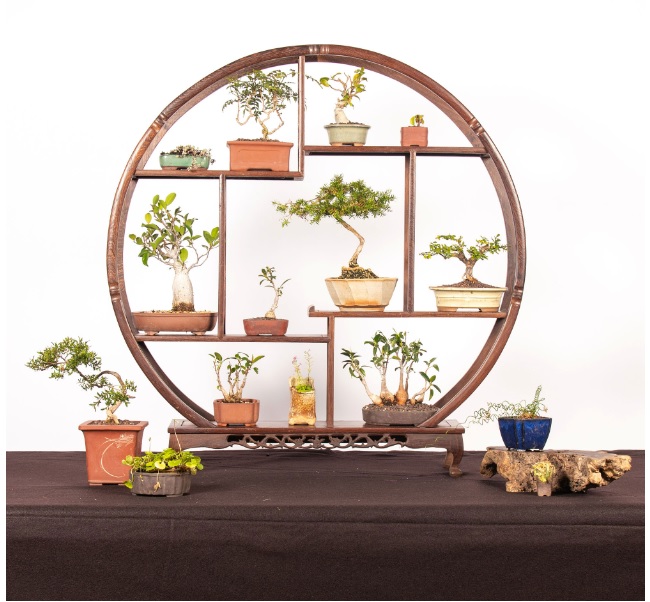
Anyway, there’s a bonzer bonsai exhibition going on in Melbourne this week, featuring Australian native plants in miniature form.
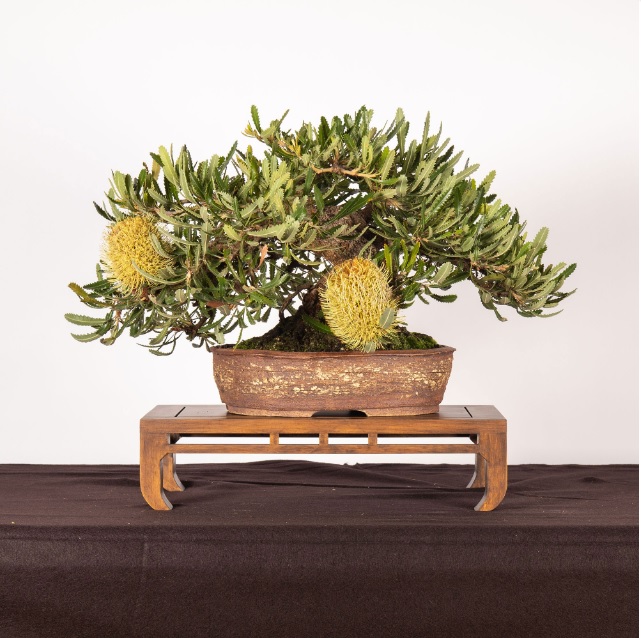
Although I’ve always had something of an affinity for bonsai, I guess there has always been a repugnant aspect to the practice as the key to keeping the trees so small lies in binding their roots to suppress growth. My dad was an avid gardener and always referred to the process as “cruel.” I never really gave it that much thought, but with native trees in Kangaeroo Corner now sparking enormous affinity for Australian flora, I’m kinda coming around to his way of thought.

Nonetheless, for me, Japan and Australia are inextricably intertwined, and an activity like this week’s exhibition cannot possibly be ignored.

Check it out if you can! The Victorian Native Bonsai Club event will be held in Preston, Melbourne, on the night of Friday, March 15 and during the day on Saturday, March 16.
Strine Dictionary

Cop A Gander At These Rippers Too...

  • | |

    我輩は日豪パイオニアである:日本の心を掴んだオージーぼっちゃん

    教師でもあり歴史家でもあるジェームス・マードック氏は、その生涯の多くの時間を日本とオーストラリアで過ごした。 ヴェルサイユ条約(パリ講和会議)に於いては、白豪主義真っ只中の豪州国内で、日本が提案した議題、人種的差別撤廃の数少ない支持者であったが、結果的には同条項は採択されなかった。 James Murdoch, a teacher and historian who spent much of his life in Japan and Australia, fought an ultimately losing battle as one of the few supporters in White Australia of Japan’s proposed equality clause in the Treaty of Versailles.

  • | |

    オーストラリアが日本を支援している

     豪政府は、東日本大震災の支援事業をたくさん行っている。  詳細および協力方法などは豪政府が開設したホームページへ。  がんばれニッポン!オーストラリアが応援しているよ! Aussies looking to help out Japan following the Tohoku earthquake, tsunami and nuclear disaster can find ways through a newly established Australian Government website “Australians Helping Japan.” Let’s help this great country and great, long-time friend of the land Down Under to get back on its feet. 参考 Australians Helping Japan

  • | | |

    モー、、十分か?牛関係のBig Thingsでもオーストラリアに盛ん

     オーストラリア経済にとって乳製品・肉食関係などがいずれも重要な分野であり、国及び国民のほとんどに欠かせない存在である。  なので、オーストラリアでの生活になんらかな不思議な影響がある「Big Things」も当然牛などと関連するものも多数。  多分、背景が最も面白いのがビクトリア州のバーチップにあるBig Mallee Bull。  Malleeという言葉をオージー英語でたくさん意味があるが、主に地域や木の種類に使われている。  そして、fit as a mallee bullという表現は、独特なオージー英語であり、どんな豪州人でも分かるはずだ。直訳すると「マリー地域の雄牛並みの体が鍛えられている」で、意味が「極めて壮健だ」。  それに因んでビクトリア州のマリー地域にあるバーチップが街のど真ん中に巨大な雄牛を称える。  問題は、実際にmallee bullという牛が元々存在しない。  でも、それを別においておいて、他も見てみよう。  まずは、北部のクイーンズランド州から始まろう。  南回帰線にあることで有名な町ロックハンプトンは元々ビーフ産業が栄えている地域である。  それを称えるため地域の象徴である牛3頭の「Big Things」を町のあっちこっちに設置されたが、一つが朽ち果てたようで現在2頭のBig Bullしか残っていないらしい。  そう遠く離れていないのが同州ヤンディナ。  ロックハンプトン同様、この地域も牛産業が重要であり、牛の「Big Things」が作られた。  もう一つの特徴がしょうが農家が多い。  決してイヤンディナという地域について「しょうがない、な~」と言い難い。  実にしょうがだらけだ。  はい、くだらないギャグをやめよう。  ニューサウスウェールズ州海岸添え北部の町ワーチョープは元々「Big Things」があった町。  だが、そこにあったBig Bullは、老化で約5年前撤去されたようだ。  オープンした当時お土産屋やビーフに関する展示があったようだったが、集客力があまりなかった見たい。  同州南部海岸添えの方へ行くとボダラという町がある。  ボダラは牛が有名というよりチーズをはじめ乳製品が有名だ。  そこで同町に巨大なチーズ像がある。  だが、上記Big Bullと同じようにこれも老朽化し、今一般人がなかなか近づかないようになっているようだ。  しかし、ハイウェイから良く見えるらしいし、写真も撮れる。  そして、他の牛などに関連する「Big Things」は、以前に考えRooで取り上げられているものだ。  今週、話に触れたばかりのBig Cowsがある。  これらが他数件と一緒にビクトリア州の「Big Things」都であるフィリップ島にある。  同島のニューヘーブンという町にある。  (皮肉的にカウズ<牛の複数形>でありながらカウズという町がとなりにあってにもかかわらずそこで立てられなかった。)  そして、ほぼオーストラリア全国に渡って西オーストラリア州へ。  ここにはCow on the Cornerという巨大な牛がある。  このデカイ牛はブランズィック・ジャンクションという町にあってにも関わらず、日本と深い関係がある。  日本で発売されているLady Bordenアイスクリームが元々この地域に作られて1990年代以降輸出された。…

  • Crust

    In Strine, your crust is your livelihood, or what you do for a living. For example, “Davo works hard to earn his crust.” ストラインには、「crust」が生活費を稼ぐ方法の意味がある。(英語では、皮やパンなどの耳という意味もある)。例えば、「デーボーはクラストを得るため一生懸命仕事しています」という風に表現する。

  • |

    豪キャブラリー: Mozzie

    ハエがオーストラリアの夏を不快な思いをさせるとしたら、日本での「夏のえらい迷惑」がおそらくmozzieだろう。日本の暑くてジメジメしている夏がmozzieの繁殖などにとって最適な条件だよね。 ということは、mozzieは「蚊」のことのほかないよね。ちなみに、「かゆい」の「か」は「蚊」じゃないよね?蚊がそう思わさせてくれる。