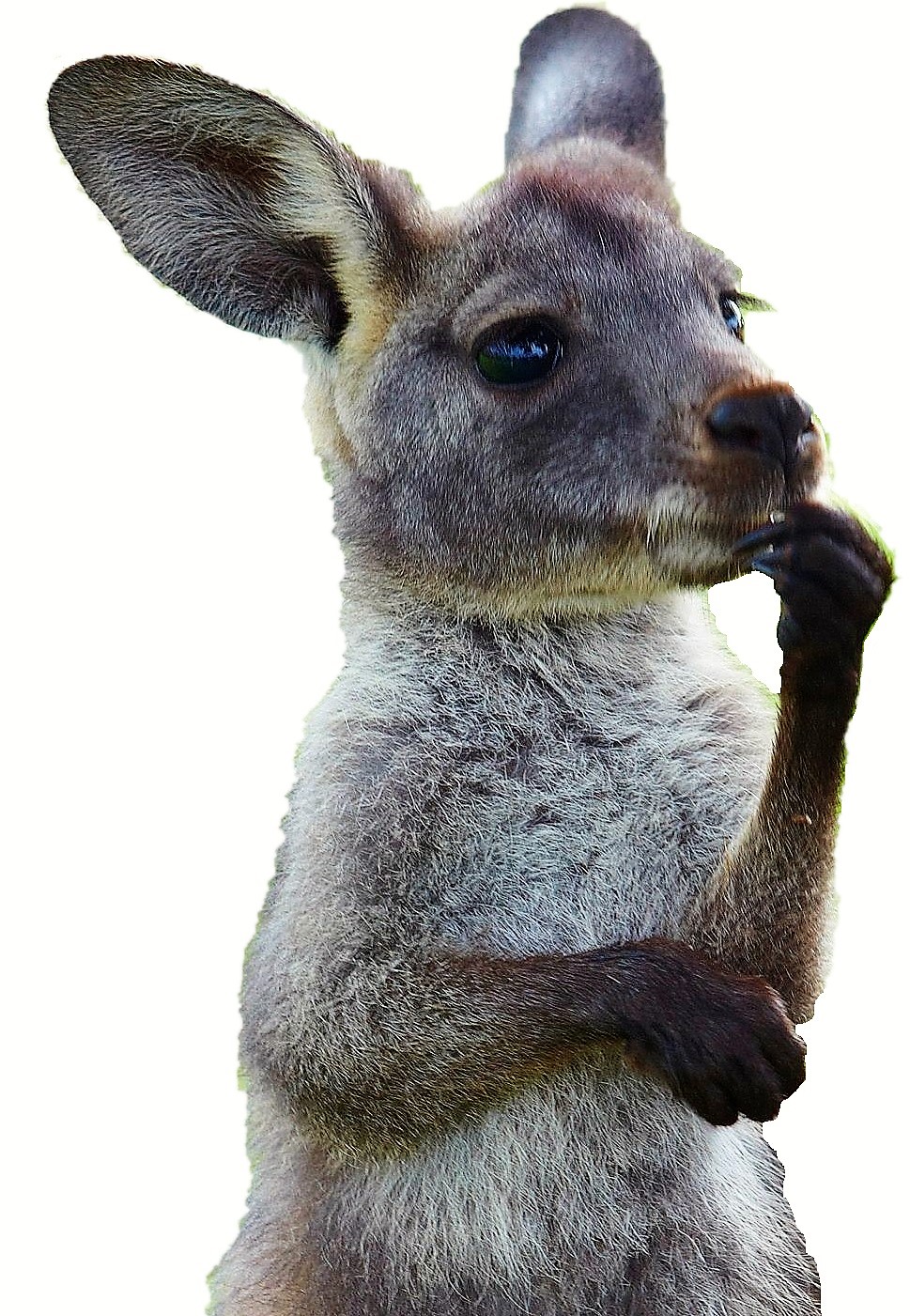
豪キャブラリー: Chewies
多くの人にとってchewieと言えばスターウォーズに登場する毛深いウッキーが思い浮かぶかもしれないが、オージー英語ではchewieはお口直しとしてよく使われているので、ちょっとびっくりするかもしれない。しかし、驚くことはない。オージー英語らしくまた省略言葉でありchewing gumのことだ。Chewiesは言うまでもなく複数形だ。
 | 豪 | 英・米語 | 日本語 |
| Chewie | Chewing gum | ガム |
多くの人にとってchewieと言えばスターウォーズに登場する毛深いウッキーが思い浮かぶかもしれないが、オージー英語ではchewieはお口直しとしてよく使われているので、ちょっとびっくりするかもしれない。しかし、驚くことはない。オージー英語らしくまた省略言葉でありchewing gumのことだ。Chewiesは言うまでもなく複数形だ。
| 豪 | 英・米語 | 日本語 |
| Chewie | Chewing gum | ガム |
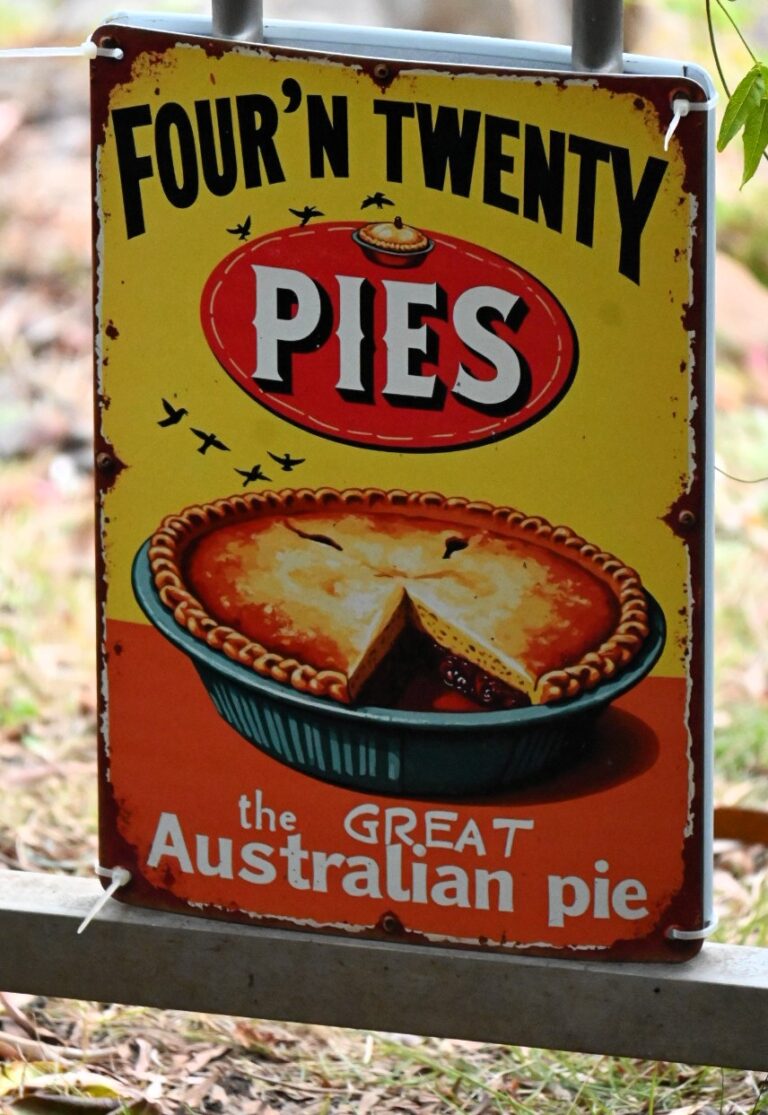
オーストラリアを訪ねている数十人が人参やジャンクフードなどに依存しているガンがルーに孟攻撃され、怪我を負っている。 シドニーから南方にあるマクワリー湖周辺に現象が起こっている。 餌を与えないように注意されてにも関わらず中国人観光客を中心に訪ねる人の多くがそこに群れを作ったカンガルーなどに食べ物をやっている。 その結果、カンガルーを中心とした有袋類が主に人参に依存することになった。 体が要求している人参などをもらわないと、カンガルーが暴力的に反応し、観光客を蹴ったり、噛んだり爪でキズ付けたりしている。 マクワリー湖観光関係者は、多ヶ国語の注意書き看板の設置などの対応策をとっているが、多くの場合厳守されていないのは現状。 https://youtu.be/TsfgNVFYPak
とっても嬉しい時をオージー英語で示すにはraptという言葉が最適だろう。 米語が普及して浸透してきた今でもよく使われる言葉であり、嬉しさや喜びを表現できるオージー英語のひとつ。
「ファースト・オーストラリアンズ」(英語)は、2008年作のドキュメンタリー。先住民の視野からオーストラリアの歴史を記録する。必見だ! 今日は4作目5部中4部目。
Grundies A bad fright can scare you out of your Grundies.
オーストラリア人コメディアンオーステン・テーシャス氏*が1983年豪州象徴的なものや地名などのごろ合わせによって詩「Australiana」で全国一世風靡し、No. 1ヒットとなった。かなりやばい言葉使いであり、色な所で放送禁止となった。 1月26日建国近年日にあたる「Australia Day」にちなんで、下記再現する。お楽しみ。 Australiana Sittin’ at home last Sunday mornin’ me mate Boomer rang (boomerang). Said he was havin’ a few people around for a barbie, Said he might cook a burra (kookaburra) or two. I said, “Sounds great, will Walla be (wallaby) there?” He said “Yeah and Veggie might (Vegemite) come too”. So I said to the wife “Do you wanna Go Anna (goanna)?”. She said “I’ll go if Din goes (dingoes).” So I said “What’ll (wattle) we do about Nulla?” He said “Nulla bores (Nullarbor) me to tears, leave him at home.” We got to the party about two and walked straight out the kitchen to put…
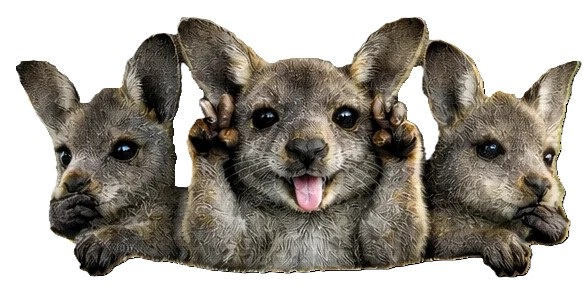
文脈で意味が変わるオージー英語 Banged up は、オーストラリア英語でも文脈によって意味が変わる表現です。 最もよく使われる意味は、 の二つです。 一方で、昔のオーストラリアでは 「妊娠している」 という意味でも使われることがありました。 この使い方は現在ではかなり古く、若い世代にはほとんど通じない場合もあります。 そのため、辞書には載っていても、自分で使うことはあまりおすすめできません。 知識として覚えておけば十分でしょう。 意味 ① ケガをしている ② 刑務所に入っている ③(古い俗語)妊娠している 危険度 🦘🦘☆☆☆ 意味が複数あるため、誤解されやすい表現です。 例文 He got pretty banged up in the crash. 「彼は事故でかなりケガをした。」 豆知識 オーストラリア英語には、時代とともに意味が変化したスラングが数多くあります。banged up はその代表例の一つです。 辞書に載っている意味が、今でも普通に使われているとは限りません。言葉にも流行がある──それが生きた英語のおもしろさです。
We use cookies to improve your experience on our site. By using our site, you consent to cookies.
Websites store cookies to enhance functionality and personalise your experience. You can manage your preferences, but blocking some cookies may impact site performance and services.
Essential cookies enable basic functions and are necessary for the proper function of the website.
These cookies are needed for adding comments on this website.
Statistics cookies collect information anonymously. This information helps us understand how visitors use our website.
Google Analytics is a powerful tool that tracks and analyzes website traffic for informed marketing decisions.
Service URL: policies.google.com (opens in a new window)