Where Did “Bogan” Come From?

This is where things get wonderfully murky.

The popular theories include:

  • the Bogan River/Bogan Shire in western New South Wales;
  • an old Australian literary reference;
  • regional Australian slang;
  • and the possibility that it originated as Melbourne teenage slang.

The evidence currently points most strongly toward Melbourne in the early 1980s, although the ultimate etymology remains uncertain.
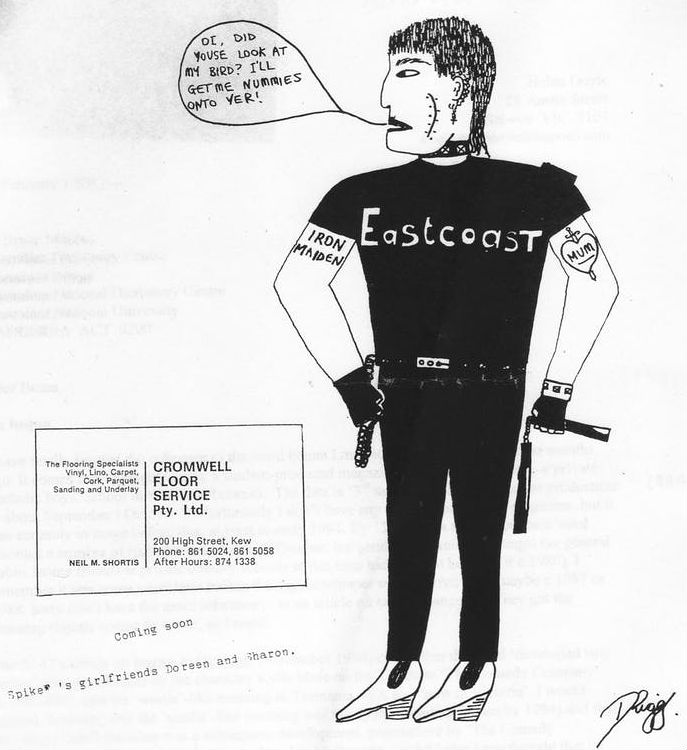
Historian and linguist Bruce Moore found evidence from 1984, in a student magazine at Melbourne’s Xavier College, describing a fictional “bogan doll”. The character already possessed many of the stereotypes we would recognise today: tattoos, long hair, heavy-metal clothing, sleeveless denim, etc. The word then appears in a 1985 issue of Tracks magazine.

By the late 1980s it was spreading nationally. By the early 1990s, it was essentially established Australian slang.

The really funny part

The word may have been popularised by upper-middle-class private-school teenagers describing people they considered uncultured.

In other words: The bogan may have been invented by people who weren’t bogans.

Cop A Gander At These Rippers Too...

  • 「ボーガン」という言葉はどこから来たのか?

    ここがまた、いい感じに“モヤッ”としている。 世間でよく語られる説はこんなところだ。 いろいろ言われているけれど、 現時点で一番有力なのは 1980年代初期のメルボルン発 という説。ただし、最終的な語源はまだハッキリしない。この“曖昧さ”もまたオーストラリアらしい。 歴史家ブルース・ムーアの発見 歴史家で言語学者のブルース・ムーアが見つけたのは、1984年のメルボルン・ザビエル校の学生誌。 そこに 「ボーガン人形」 という架空キャラが登場していて、 すでに今のボーガン像とほぼ同じ特徴を持っていた。 などなど、今見ても「うん、ボーガンだわ」と納得するスタイル。 By the late 1980s it was spreading nationally. By the early 1990s, it was essentially established Australian slang. 翌年にはサーフ系雑誌 Tracks にも登場し、 1980年代後半には全国に広がり始め、 1990年代初頭には完全に“オーストラリアのスラング”として定着した。 そして一番面白いポイント この言葉を広めたのは、 「自分たちより文化的に洗練されていない人」を指して使っていた、 アッパーミドル階級の私立校ティーンたちだった可能性が高い。 つまり、ボーガンは、ボーガンじゃない人たちが作った言葉かもしれない。 これ、文化史としてめちゃくちゃ面白い。 階級、センス、アイデンティティが入り混じって、 オーストラリアらしい“ゆるい社会学”がそこにある。

  • |

    なぜDagはオージー英語で多様性がある?

    Is “Dag” Strine’s Most Versatile Word? 英語の中で、褒め言葉にも侮辱にもなり、しかも羊のお尻にこびりついた汚れをも 意味する単語はそう多くない。それが”dag”(ダグ)だ。 Few English words can be a compliment, an insult, and a description of something stuck to a sheep’s backside all at once. Welcome to Strine’s “dag.” “dag”にはオーストラリア英語で三つの関連した意味がある。①愛嬌のある変わり者、 親しみを込めて言われることが多い。②社会的に不器用でダサい人、特に十代の 若者を指すことが多い。③文字通り、羊のお尻にこびりついた糞まみれの毛玉。 「ダサい」という意味は、間違いなくこの三番目の、最も格好悪い意味から 生まれたものだ。 A dag has three related meanings in Strine: (1) a character or amusing eccentric — often said with affection; (2) a socially awkward, uncool person, usually a teenager; (3) literally, a lump of dung-matted wool hanging from a sheep’s rear end. The insult sense almost certainly comes from the third, least glamorous meaning. Example “He wore socks with sandals to the wedding. What an absolute dag.” 「結婚式にサンダルと靴下を合わせてきたんだ。本当にダグ(ダサい)やつだよ」 日本語では? 面白いのは、”dag”が必ずしも悪口とは限らないという点だ。”He’s such a…

  • テレビが“ボーガン”をキャラクター化した

    オーストラリアのテレビは、 ボーガンという侮蔑語を“文化キャラクター”へと変換するうえで決定的な役割を果たした。 いくつかの重要な番組を見てみよう。 The Comedy Company 1980年代後半、 キャラクター Kylie Mole が登場し、 ボーガンという言葉の特定の使われ方を全国に広めた。ティーン文化、郊外文化、ちょいダサさ—— その全部をコミカルにパッケージした存在だった。 Kath & Kim これはオーストラリア史上もっとも鋭い “郊外の願望(suburban aspiration)”研究と言っていい。 Kath と Kim は単に「貧しい」わけではない。彼女たちは、見た目、消費、ステータス、ファッション、セレブやライフスタイルに異常なほど執着している。つまり、ボーガン的“願望”を体現している。「背伸びしたい郊外のオージー」を、 笑いと愛情を込めて描いた作品。 Bogan Pride Rebel Wilson が 2008年に SBS で制作したシリーズ。ここではボーガン文化が 完全にコメディとして前面に押し出され、 “ボーガン・プライド(誇り)”という概念がメインストリームへ進出した。侮蔑語だったはずの言葉が、 「誇り」として再解釈される瞬間をテレビが後押しした。 Upper Middle Bogan これは知的にもっとも面白い作品かもしれない。設定はこうだ。 “ごく普通の中流家庭が、自分たちの生物学的家族がボーガンだったと知ったらどうなる?” このジョークが、 階級・趣味・お金・教育・アイデンティティ といったテーマを深く掘り下げる装置になる。笑いながら、 オーストラリア社会の階級構造を観察できる秀逸なシリーズ。 テレビは、 ボーガンを侮蔑語から文化キャラクターへ、 そして国民的アイコンへと変換した最大のメディア。

  • |

    音楽:ボーガン文化の“心臓部”

    ボーガン文化には、 とんでもなく強力な音楽的コアがある。 その“正典サウンドトラック”はこんな感じ。 これだけ並べると、 「ボーガン=音楽好きの労働者階級ロッカー」 というイメージが浮かぶけれど、 ここでまた最高のパラドックスが登場する。 “ボーガン音楽”は、実はめちゃくちゃ高度な音楽でもある ボーガン文化に結びつけられる音楽の中には、 国際的に影響力があり、音楽的にも超洗練されているものが多い。たとえば AC/DC。「ボーガンが好きだから文化的に価値が低い」 ……なんてことはまったくない。むしろ逆で、ボーガンが愛する音楽が、オーストラリアの国民的神話の一部になる。2002年には Triple J が “National Bogan Day(全国ボーガンの日)” を開催し、Cold Chisel、Midnight Oil、Rose Tattoo、AC/DC など “ボーガン的象徴”の音楽を祝った。つまり、ボーガン音楽=ダメな音楽、ではない。 ボーガン音楽とは何か? それは、気取らないオーストラリア的男性性と 労働者階級の“本物らしさ”を象徴する音楽。音楽そのものの質ではなく、 文化的な結びつきが“ボーガン音楽”を定義する。だからこそ、 ボーガン文化の音楽は単なる趣味ではなく、 国民的アイデンティティの一部になっている。

  • Boganism And The Aussie Class System

    This may actually be the deepest subject behind the whole phenomenon. Australia traditionally likes to imagine itself as an egalitarian society where the wealthy and working class can sit together in the pub and have a beer. Consequently, Australians have historically been uncomfortable talking explicitly about class. “Bogan” provides a sneaky alternative. Instead of saying: “That person is working class.” people can say: “They’re a bit bogan.” Instead of saying: “I dislike their cultural tastes.” they can say: “That’s bloody bogan.” Sociologists Steve Threadgold and Jessica Gerrard have argued that figures such as the bogan and the hipster function as proxies for class in Australian public culture. The bogan represents…

  • Bogan Feminism

    One thing traditional bogan imagery gets wrong is its obsession with men. There is a substantial female bogan archetype. Think: And there is currently an interesting cultural revival around “sheila”, with commentators describing a contemporary “bogan feminism” that reclaims toughness, Australianness and working-class identity. The sheila is returning to Australian culture, riding on a new wave of ‘bogan feminism’