The Bogan Profanity Paradox

One of the great bogan linguistic characteristics is the Australian ability to turn profanity into social punctuation.

Words that would be shocking in other English varieties can become:

  • greeting;
  • adjective;
  • intensifier;
  • term of affection;
  • insult;
  • noun;
  • verb;
  • punctuation.

This is not exclusively bogan, of course. But the bogan stereotype takes Australian profanity to theatrical extremes.

Cop A Gander At These Rippers Too...

  • What Actually Makes Someone A Bogan?

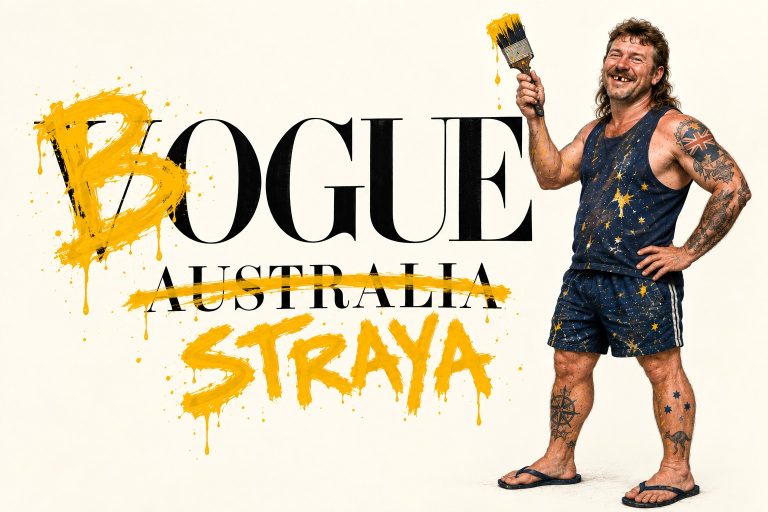
    This is where things get complicated. The classic visual stereotype is: Mullet + flanno + singlet + black jeans/shorts + boots/thongs + tattoos + beer + ute + loud music. The stereotype is so powerful that even people who don’t identify as bogans know exactly what the image means. But researchers increasingly point out that the real definition isn’t socioeconomic status. A wealthy person can be a bogan. An educated person can be a bogan. A professional can be a bogan. A person with a university degree and a six-figure salary can apparently be a CUB — “cashed-up bogan.” The rise of the CUB was particularly important because it broke…

  • | | |

    Is Niseko Still Australia’s Ski Town?

    ニセコは今も「オーストラリア人のスキーの町」なのか? Walk through Niseko today and you’ll hear conversations in Japanese, English, Mandarin, Korean and many other languages. The resort that Australians helped introduce to the world has become one of Asia’s most international winter destinations. Visitors now arrive from across the globe, while investment comes from many countries. So, after more than three decades, is Niseko still Australia’s ski town? 現在のニセコを歩くと、日本語だけでなく英語、中国語、韓国語など、さまざまな言語が聞こえてきます。 かつてオーストラリア人が世界に紹介したスキーリゾートは、今ではアジアを代表する国際的なウィンターリゾートへと成長しました。 では、30年以上が経った今でも、ニセコは「オーストラリア人のスキーの町」と言えるのでしょうか。 The Pioneer Years There was a time when Australians dominated Niseko’s international tourism scene. From the mid-1990s through the early 2000s, Australian visitors arrived in growing numbers, opening cafés, ski schools, accommodation businesses and tour companies. Their enthusiasm encouraged more travellers to discover Hokkaido’s famous powder…
  • |

    Japan’s ‘Japow’ Transforms Australia Into A Winter Sports Force

    For most of the 2026 Winter Olympic Games in Milano and Cortina, Australia occupied a prominent position on the medal tally. In fact, that land famous for its searing heat, blistering sunshine and water games outranked countries like Canada, where snow sports are a part of daily life from birth, and recent Winter Olympic Games powerhouses like China and Korea. And Japan, itself one of the top Winter Olympics performers, has much to do with Australia’s success. Australia has taken part in every Olympic Winter Games since 1936. But it didn’t win a medal until 1994, and a woman didn’t pick up one until 1998. That year, the Winter Games…

  • 車こそ、ボーガン文化最大の“アートフォーム”

    もし「ボーガン文化が本気でサブカル化する領域をひとつ選べ」と言われたら、 迷わず 車 と答える。 特にこんなラインナップが“ボーガン美学”のど真ん中だ。 オーストラリアは、 ホールデン vs フォードのライバル関係を軸にした“労働者階級カー文化” を独自に発展させてきた。 その中でも特に重要なのが—— ユート(ute)はボーガン文化の“万能シンボル” ユートはオーストラリアで特別な存在だ。 同時にこういう役割を持つ。 つまり、 ユート1台で人生の全部をまかなえる という感覚がある。そして忘れてはいけないのが、 オーストラリア特有の存在。 フーン(hoon)という現象 フーンとは、 “車を使ってやんちゃなことをする人”のこと。 などがセットになっている。 フーンとボーガンは完全に同じではないけれど、 重なりまくっている。ボーガン文化の“車の章”を語るとき、 フーンはほぼ必ず登場するキャラクターだ。

  • |

    Why Do Aussies Call People “Pissants”?

    やばいリンガル: なぜオーストラリア人は「pissant」と呼ぶの? 「小さいヤツ」が必ずしも「弱いヤツ」とは限らない? オーストラリア人がスポーツを見ながら、 “He’s a real little pissant!” と言ったら、「小さなおしっこアリ?」と辞書を引いても意味が分からないでしょう。 でも、実は pissant はオージー英語らしい皮肉が詰まった言葉です。 相手を「取るに足らないヤツ」とバカにするときにも使いますが、「体は小さいのにものすごく気が強い人」という意味で、少し感心しながら使われることもあります。 つまり、言葉そのものより話し方が意味を決める表現なのです。 Word pissant 発音 /ˈpɪsænt/ Meaning 主な意味は、 「ちっぽけで嫌なヤツ」「くだらない人」 という悪口です。 しかし、 “He’s only little, but he’s a real pissant.” と言えば、 「小柄だけど負けん気が強い」 という少し肯定的な意味になることもあります。 地域によっては pissant around で 「くだらないことをして時間をムダにする」 という意味でも耳にします。 Example Don’t be such a little pissant. 「そんな小さい人間みたいなことをするなよ。」 日本人ならどう言う? 日本語なら などが近いですが、 「小さいけれど強気」 という少し複雑なニュアンスを一語で表す言葉はあまりありません。 そのあたりが Strine の面白さです。 Scale of Roo-dness 🦘 Scale of Roo-dness ⭐⭐⭐☆☆ (3/5) やや失礼な表現です。仲の良い相手でも使い方には注意しましょう。 Australia–Japan Connection オーストラリアでは、ラグビーやAFL、クリケットなどのスポーツ中継で、体格の小さい選手が大柄な相手に立ち向かう場面があります。 そんな選手を冗談交じりに “little pissant” と呼ぶことがあります。 もちろん、親しい仲だからこそ笑って済む表現であり、初対面ではおすすめできません。 オージー英語は、「悪口だから全部ダメ」という単純な世界ではありません。仲の良い友達同士なら笑いになる言葉も、相手を間違えればケンカの原因になります。だから Strine は単語だけでなく、「誰が、誰に、どんな場面で言ったか」を一緒に覚えると、本当の意味が見えてきます。 Related Terms