

ボーガン語という“金鉱脈”

ボーガン文化は、 驚異的なレベルの言語的クリエイティビティを生み出す。実際に存在する(そして使われる)語彙だけでもこの量だ。

ここまで来ると、 「ボーガン」という語がどれだけ生産力の高い単語なのか」 がよく分かる。研究者たちは、 ボーガンという語は Australian English の中でも特に“派生語を作りやすい単語” だと指摘している。つまり、 オージーはボーガンに何でもくっつけて新語を作る。 そしてそれが文化になる。

ボーガン発音という“音声美学”

そして忘れてはいけないのが、 ボーガン的発音(bogan pronunciation)。ステレオタイプでは、 オーストラリア英語の特徴をさらに誇張した形になる。

  • fishing → fishin’
  • going → goin’
  • mate → maaate

語尾の子音を落とす、 母音を広げる、 そしてお約束のスラングと罵り言葉。これらは単なる“乱暴な発音”ではなく、 文化的シグナルとして機能する音声スタイルになっている。

ボーガン語は、文化そのもの

ここまで見てくると分かるように、 ボーガン語は単なる俗語ではなく、 オーストラリア文化の創造力が爆発する領域だ。語形成、発音、ユーモア、階級、アイデンティティ。すべてがすべてが混ざり合って、 ボーガン語は“国民的言語遊び”のような存在になっている。

Cop A Gander At These Rippers Too...

  • The “Bento Bogan”

    Australia’s tourism boom in Japan has produced a new stereotype of the Australian tourist in Japan. Some Australian commentary has started jokingly referring to this phenomenon as the boganisation of Japan. The background is real: Australian arrivals to Japan surged after the pandemic, helped by Australia’s proximity to Japan, favourable exchange rates and Japan’s enormous appeal as a destination. One 2025 report noted that Australian visitors to Japan reached 637,300 between January and September 2024, up 42% on the equivalent record period in 2019. And some Australians have begun joking about a new breed: The Bento Bogan A person who has somehow transported from Bali to Japan the cultural package…

  • Where Did “Bogan” Come From?

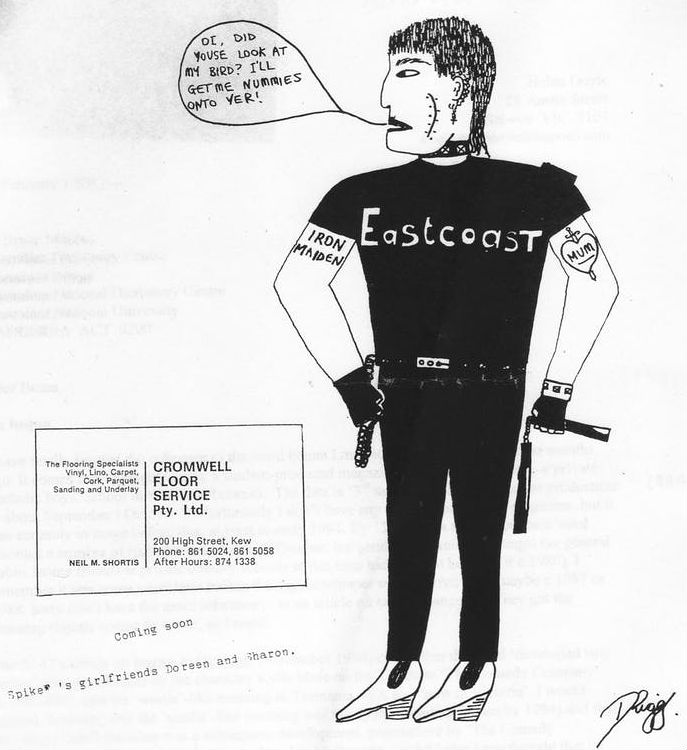
    This is where things get wonderfully murky. The popular theories include: The evidence currently points most strongly toward Melbourne in the early 1980s, although the ultimate etymology remains uncertain. Historian and linguist Bruce Moore found evidence from 1984, in a student magazine at Melbourne’s Xavier College, describing a fictional “bogan doll”. The character already possessed many of the stereotypes we would recognise today: tattoos, long hair, heavy-metal clothing, sleeveless denim, etc. The word then appears in a 1985 issue of Tracks magazine. By the late 1980s it was spreading nationally. By the early 1990s, it was essentially established Australian slang. The really funny part The word may have been popularised…

  • |

    やばいリンガル:Westie

    A westie, at least the version in Strine, is a bogan from the western suburbs of Sydney. A bogan, of course, is a person whose speech, mannerisms, appearance, clothing, behaviour, or attitudes are considered unrefined or unsophisticated. Bogans are often symbolized by a flannie and a mullet. 「Westy」とは、少なくともストライン(オーストラリア英語)における定義では、シドニー西部の郊外出身の「bogan」を指す。言うまでもなく、「bogan」とは、話し方、仕草、外見、服装、振る舞い、あるいは態度が、洗練されていない、あるいは野暮ったいと見なされる人のことだ。ボーガンは、しばしばフランネルシャツとマレットヘアで象徴される。 There are numerous types of bogans, including the snow bogans who swarm to Japan on bogan missiles. And New Zealand English, which is like an emerging version of Strine, also has westies, these being from the western suburbs of Auckland. The Japanese equivalent to the bogan or westie is the yankii. 「Bogan missile」に乗って来日に蔓延している「snow bogans」を含めて、ボーガンには様々なタイプが存在する。また、ストラインの派生版とも言えるニュージーランド英語にも「westy」という言葉があり、こちらはオークランドの西郊外出身者を指す。ボーガンやウェスティに相当する日本の言葉は「ヤンキー」である。

  • |

    Cheap As Chips Akiya For Aussies: One-Stop Bogan Basement Buys

    Cheap Houses in Japan for Aussies Japan’s market for akiya, literally “empty homes,” continues to offer astonishing bargains — from ¥0 giveaways to charming kominka under ¥1 million. And with the yen being weaker against the Aussie dollar than it has been for decades, there’s no better time for those Down Under to get on top of the akiya trend. Market Snapshot Japan’s depopulation continues to accelerate, especially in rural prefectures. Municipalities are increasingly motivated to offload vacant homes, and several regions have expanded subsidies for renovation, relocation, or child‑raising. With the yen at an historically low level, even renovated homes are now comparatively affordable. Top Akiya Listing Sites (With…