日豪ボクシング伝説がさらに一歩前へ
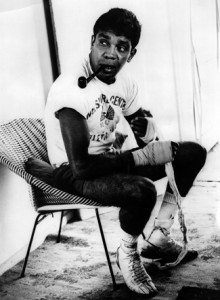 1968年東京で世界バンタム級チャンピオンとなって、オーストラリア先住民初の世界チャンピオンリオネル・ローズが同都市で初防衛。相手が桜井孝雄だった。
Lionel Rose won his world bantamweight title in Tokyo in 1968 and defended it there later that same year against Takao Sakurai.
1968年東京で世界バンタム級チャンピオンとなって、オーストラリア先住民初の世界チャンピオンリオネル・ローズが同都市で初防衛。相手が桜井孝雄だった。
Lionel Rose won his world bantamweight title in Tokyo in 1968 and defended it there later that same year against Takao Sakurai.

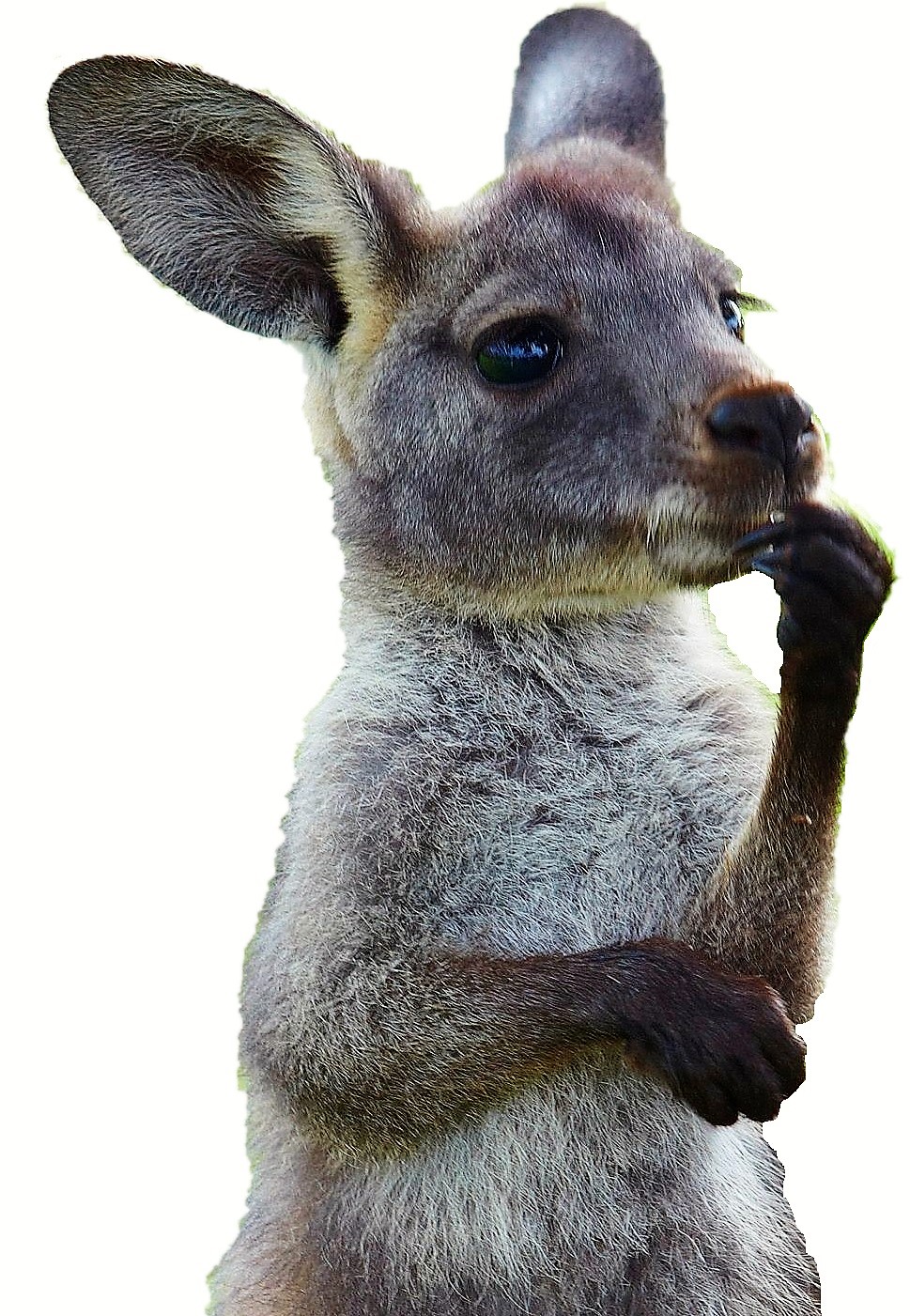
Vacel Inc. is a Tokyo company with a yen for kangaroos, literally and figuratively speaking, as well as a track record with marsupials that leaps from sporting fields to dining tables. The trading and manufacturing company specializing in kangaroo derived products started off in April 1980 as a specialist in kangaroo leather products mostly for soccer boots and then expanded over the subsequent decades to encompass all sorts of businesses including marsupial meat. Vacel imports, manufactures and sells kangaroo leather, develops FabRoo 0.3 mm ultra-thin leather, operates the RooMeat brand for kangaroo meat for human and pet consumption, and provides market-entry and liaison services for overseas companies in Japan. Vacel…

April 2015 was a month centered on traveling to fertility festivals around Japan. There were also kangaroos everywhere. It was also remarkable for a weirdly named drink, “お嬢様の聖水,” which literally translates as the princess’s holy water, but can mean her pee.
オーストラリアが独立した1901年1月1日時点には、南アフリカにてボーア戦争に参戦し、現在に至るまでさまざまな戦争や紛争に戦い、決して「平和的」な国とは言い難い。20世紀に渡って第一次・第二次世界大戦をはじめ朝鮮戦争、マレーシア紛争、インドネシア戦争、ベトナム戦争に参戦した上、21世紀になったらアフガニスタンとイラク戦争にも参戦した。軍事力はそこそこ評価されるが、参戦した戦争の中ではオーストラリア軍がものすごく恥をかかされたのは特に一戦が目立つ。それは1932年のエミュー大戦争だった。おまけ、オーストラリア軍に対して戦勝した相手がエミュー、、、国家鳥だ。 事態は今からちょうど79年さかのぼって世界恐慌下で起きた。戦場が西オーストラリア州マーチソン地区だった。いつもより熱かった夏によりオーストラリア国紋章にある国家鳥エミューの繁殖がさかんとなり、農産物を大量摂取することになった。すでに経済的に苦しんでいる農家を中心に事態に対して連邦政府(国)に対策を実施するようにプレッシャーをかけるようになった。 オーストラリアでは政治的権力が今も昔もある農家を政治家が無視できない。選んだ対策はオーストラリア軍の動員だった。 1932年11月上旬のある朝、王立豪州大砲部隊約50兵がG.メレディス大佐下でおよそ20万羽のエミューと戦う。部隊は、トラックに取り付けられた機関銃で国家鳥と向き合う。 エミュー群は池で水を飲もうとしたところ軍が突然開戦し、機関銃で全開鳥に向かって打つ。 しかし、エミュー群が広げて鳥があっちこっち走り回って、打たれた鳥の数はほんのわずかしかすぎなくて、ほとんどのエミューが見事に逃げた。 同日午後、部隊が再び集合し、もう一回攻撃をしようとした。しかし、機関銃の音でまた鳥が走って逃げて、結果的に何万羽の鳥中、殺されたのが数羽しかなかった。 豪軍部隊が撤退し、エミューが思う存分農産物を餌にし続けた。 約1週間後、メレディス大佐がまた先頭に再び豪軍がエミュー群と向かって機関銃で乱射したが、また効果がほとんどなく、もう1回エミュー群のほとんどが逃げた。2回戦って約2万弾を使用した結果エミュー数百羽しか殺せなかった。 「この鳥のように弾に対しての力があった部隊があれば世界中のどんな国の軍隊に対して争える。機関銃に対して戦車並みの力がある」とメレディス大佐が敗戦を認めた。 これが起きている時、遠いキャンベラの国会ではエミュー大戦争に対して大騒ぎになった。国防相(当時)ゴードン・ピアス氏が豪軍敗戦を認めて、戦場から撤退の命令を下した。それに対してエミューの反応が未だに不明だが、以降数十年同地区では農家の大迷惑をかかったのは間違いない。 敗戦後、農家が1948年まで3回も連邦政府のエミュー対策を要請したが1932年の敗戦を背景に毎回拒否し、エミューの完全勝利となった。

日本と深い関わり合いがあるオーストラリア現代文化に根強く愛されている「マッド・マックス」映画シリーズのゲーム版最新商品が豪訛りのマックスが登場しないことによって多くのオーストラリア人の間で怒りを感じさせている、とNews.com.auが報道している。 「マッド・マックス」が1979年公開映画であり、オーストラリア国内でヒットした後、日本で公開し、大ヒットとなった。そこからヨーロッパ諸国へ同じような成功をおさめ、最後にアメリカにも人気を呼んだ。1970年代「オーストラリア・ニューウェーブ」映画ブームの一作であり、1985年までメル・ギブソン氏を主役として続編2作も世界中に大ヒットした。今年、トム・ハーディを主人公マックス役で27年ぶり四作目「マッド・マックス・フューリー・ロード」を公開する予定だ。 「マッド・マックス」の影響は、オーストラリアにとって偉大なものだ。 一般映画ファンにとって人気なので興行収入が三作合わせて数億ドル及んで、ギブソン氏自身が1980・1990年代ハリウッド有数な俳優兼監督となった。「オーストラリア・ニューウェーブ」の成功例として見られるようになって、多くなオージーが誇りに思ったオーストラリア映画の一作でもあった。1980年代アメリカでの「オーストラリア人気」にも大きく貢献しただろう。典型的なオーストラリア映画と言っても過言ではない。 しかし、その高い誇りに逆撫でする面もあった。もっともっとオーストラリア映画なのでオーストラリア訛りが特徴の一つだった。1作目がアメリカに公開した1981年にはアメリカ人がオーストラリア訛りが分からないだろうとされて同じ英語でもアメリカ訛り吹き替え版で公開された。当時、オーストラリア英語があまり国外で披露されることがなくて「視野が狭いアメリカ人がそのもんだ」と思われ笑い飛ばされた。 だが、今も同様な状況となっている。 4作目の公開に伴って新しいビデオ・ゲームが公開することになっている。 6月13日、本社がスウェーデンにあるアバランチ・スタジオ社が「マッド・マックス」ビデオ・ゲームを公開すると発表し、予告編の動画を披露した。 だが、ゲームに登場するマックスは、アメリカ訛り英語で話している。 元の映画の吹き替え版の例があってにもかかわらず、今回のゲームでアメリカ訛り使用によってオーストラリアで反発を呼んでいる。 「キャラがオージー・ゲーマーに深く愛されているのでこのように勝手に帰られてオーストラリア人じゃなくしたのはオージー・ゲーマーにとって侮辱的だ」とAusgamers.com編集長スティーブン・ファレリー氏がいう。 Mad Max video game ditches Australian accent in ‘affront’ to the country Mad Max I Trailer Mad Max II Trailer Mad Max III Trailer Mad Max Video Game Trailer

なぜ横浜F・マリノスはオージー監督を選び続けるのか? J.League powerhouse Yokohama F Marinos have such a strong connection with Australia it makes you wonder whether the club has gotten mixed up with merinos, the sheep attributed with making Australia rich. The Marinos recently appointed Steve Corica as coach, the sixth Aussie to hold the post since 2019. Jリーグの強豪・横浜F・マリノスはオーストラリアとの結びつきがあまりにも強く、クラブ名がオーストラリアを豊かにしたとされるメリノ種の羊(merinos)と混ざってしまったのでは、と冗談のひとつも言いたくなるほどだ。マリノスは最近、スティーブ・コリカを監督に迎えたが、これは2019年以降で6人目のオージー監督となる。 It Started with Ange すべてはアンジェから始まった In January 2018, Ange Postecoglou arrived at Yokohama F. Marinos after leading Australia to the 2015 AFC Asian Cup. Many wondered whether his adventurous attacking style would suit Japanese football. The answer came quickly. すべてはアンジェから始まった 2018年1月、アンジェ・ポステコグルー監督が横浜F・マリノスに就任しました。 アジアカップ優勝監督として期待される一方、その攻撃的なサッカーがJリーグで通用するのか注目されました。 答えは、すぐに示されました。 Winning Hearts—and the League サポーターの心とリーグをつかんだ In 2019, Marinos won the J1 League title playing fast, attacking…
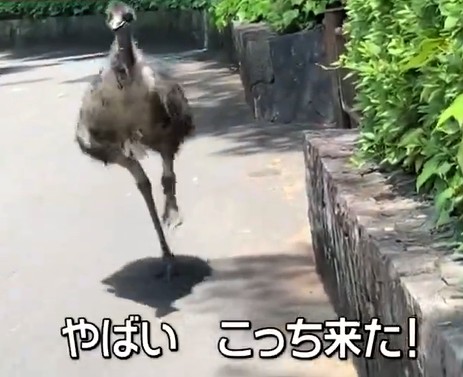
滋賀県守山市でエミュー脱走、約2時間の“朝の散歩”騒動 Emu Escapes in Shiga: A Very Japanese Wildlife Adventure A crafty emu has shocked Shiga residents by strutting the streets this week. Residents of Moriyama, Shiga Prefecture were treated to an unusual sight early this week when police received a report at 6:45 a.m. of “an ostrich walking around.” 今週、滋賀県守山市で早朝から珍しい騒動が起きました。 午前6時45分ごろ、警察に「ダチョウが歩いている」との通報が入り、住民の間でも驚きの声が広がりました。 Officers confirmed the sighting around 7:00 a.m. on Sept. 23, watching the giant bird stroll casually toward JR Moriyama Station as locals snapped photos and shared updates online. 警察官が確認したところ、巨大な鳥はJR守山駅方面へゆっくりと歩いていき、周囲の住民が写真や動画を撮影する姿も見られました。 It wasn’t an ostrich at all — it was an emu, the second‑largest bird species in the world and a close Australian cousin of the ostrich. しかし、この鳥はダチョウではなく、オーストラリア原産の大型鳥 エミュー でした。…
We use cookies to improve your experience on our site. By using our site, you consent to cookies.
Websites store cookies to enhance functionality and personalise your experience. You can manage your preferences, but blocking some cookies may impact site performance and services.
Essential cookies enable basic functions and are necessary for the proper function of the website.
These cookies are needed for adding comments on this website.
Statistics cookies collect information anonymously. This information helps us understand how visitors use our website.
Google Analytics is a powerful tool that tracks and analyzes website traffic for informed marketing decisions.
Service URL: policies.google.com (opens in a new window)