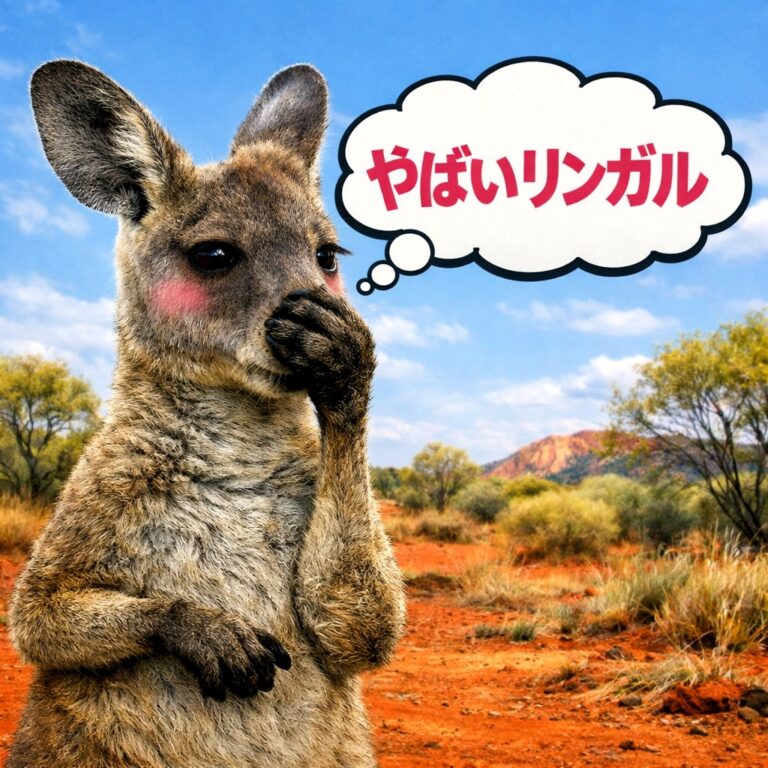
Ankle biter/ちびっ子

ankle biter

Australian English
A small child, especially a pre-school toddler, i.e. somebody only tall enough to be able to bite ankles.

日本語
ちびっ子、幼い子供。直訳すると「足首を噛む人」。由来は、小さくて、噛もうとすれば足首までぐらいしか背を伸べないという意味。

Plain English
1) Toddler
2) Pre-schooler
3) Kiddy

Ankle-biter-usage examples

豪語日本語米・英語
Ankle-biters love fun and games.ちびっ子は、遊んだり、ゲームをしたりするのが大好きだ。Small children love fun and games.
If you go out somewhere, don’t forget to look after the ankle-biters.出かけたら、ちびたちの面倒を忘れないでね。If you go out somewhere, don’t forget to look after the kiddies.

Strine Dictionary

Cop A Gander At These Rippers Too...

  • |

    「やばいリンガル」Sprung(飛び跳ねた)

     米・英語ではsprungになると、飛び跳ねて何だか気持ちが良くなる感じがするけど、オージー英語では、良い気分になれない。なぜだろう?理由を見てみよう。 To be sprung in English outside of Australia implies a meaning of flying free, but Down Under it takes on a completely different meaning.

  • Derro Is Merely The Start Of Derogatory

    Derro is Strine (Australian English) for a derelict or homeless person. Dero can also describe a run-down urban area. ストライン日本語の意味Derro はホームレスや荒れた地域を指すストラインです。 ExplanationDerro is informal and sometimes considered rude. It reflects rough urban slang in Australia. 日本語での解説やや失礼な言い方で、スラングです。 都市の荒廃を表すこともあります。 Example“That old building is full of derros.”「あの古い建物にはホームレスがいる。」 Strine CulchaStrine slang can be blunt and socially reflective. オージー文化メモストラインは社会の現実を直接表現します。 Related…

  • Nuddy/裸体

    Australian English To be naked, or nude. The same state is also sometimes described as being “starkers.” 日本語 裸体。ヌード。裸。Starkersというオージー英語(豪語)もときどき使う。 Plain English Naked, nude, in a state of undress. Strine Dictionary

  • |

    「やばいリンガル」 Thongs

     今、オーストラリアは真夏に向かっているので、町の中では多くのオージーがthong姿を見せてくれるようになる。しかし、それを他の英語圏の人に言ったら、彼らは顔を赤らめるだろう。何でだろう?オーストラリアでのThong姿は、全然恥ずかしくないのに。 It’s approaching midsummer in Australia and many Aussies would now be getting about in thongs. Tell that to someone from another English-speaking country and they may assume it would be a time for red faces. Why thongs? And why so embarrassing?

  • Indigenous Aussies and Strine 先住民と豪語

    Indigenous Australians have contributed richly to language on a global scale. This is especially through the names of creatures such as the kangaroo, koala, wombat, wallaby and dingo, all of which were originally Indigenous Australian words, but now used everywhere English is spoken, as well as being incorporated into other languages, including Japanese.  オーストラリア原住民の言語は、世界的にも貢献している。カンガルー、コアラ、ウォンバットやディンゴなどの動物の名前は全て先住民語に由来し、現在は英語だけでなく日本語を含め世界各国で使われており、まさに「国際語」だ。