
豪キャブラリー:Bogan Bits
「Bogan bits」とは、女性boganが髪を後ろで高いポニーテールや大きなもつれたお団子にまとめ、前髪として2本の毛束だけを残したヘアスタイルを指す。 Strine Dictionary | 考えRoo
 Bogue
Bogueis our affectionate cultural examination of the Australian bogan.
We are interested in boganism not as something to ridicule or look down upon, but as a distinctive and important part of Australian life. The bogan has its own language, fashions, music, humour, food, cars, traditions, attitudes and ways of expressing identity.
We explore where these characteristics came from, how they have changed, and what they tell us about Australia and Australians. We look at the history and evolution of the bogan, as well as contemporary trends and the way bogan culture has influenced mainstream Australian life.
We also examine the phenomenon from overseas, including its sometimes surprising connections with Japan.
There is plenty of humour here, but the humour is affectionate rather than contemptuous. We recognise that “bogan” can sometimes be used as a derogatory label, and we do not use it to make assumptions about people’s intelligence, education, income or worth.
In short, Bogue celebrates, investigates and occasionally has a good laugh about one of Australia’s most recognisable cultural phenomena.
We’re not looking down on the bogan. We’re looking at the bogan — proudly.

は、オーストラリアの重要な文化現象である「ボーガン(bogan)」を、親しみと敬意を込めて探るコーナーです。
ここで取り上げるのは、人をからかったり、見下したりするための「ボーガン」ではありません。ボーガンには、独特の言葉、ファッション、音楽、ユーモア、食文化、車、習慣、価値観、そしてアイデンティティの表現があります。
私たちは、ボーガン文化がどのように生まれ、どのように変化してきたのか、そしてオーストラリア社会やオーストラリア人の暮らしについて何を物語っているのかを探ります。歴史だけでなく、現在のトレンドや、ボーガン文化が一般的なオーストラリア文化に与えた影響にも注目します。
さらに、海外から見たボーガン文化や、日本との意外なつながりについても考察します。
もちろん、ユーモアも大切にします。ただし、それは侮蔑ではなく、親しみを込めたものです。「ボーガン」という言葉が侮蔑的に使われる場合があることも踏まえ、人の知性、学歴、収入、社会的価値などを決めつけるためには使いません。
つまり「ボーグ」は、オーストラリアを代表する文化現象のひとつを、誇りを持って、真面目に、そして時には大いに笑いながら見つめるコーナーです。
ボーガンを見下すのではなく、ボーガンを誇りを持って見つめます。

「Bogan bits」とは、女性boganが髪を後ろで高いポニーテールや大きなもつれたお団子にまとめ、前髪として2本の毛束だけを残したヘアスタイルを指す。 Strine Dictionary | 考えRoo
「Bogan」とは、洗練されていない、あるいは俗っぽいと見なされる人を指すオーストラリアのスラングである。場合によっては、蔑称として使われることもあれば、ユーモアを交えた自虐的な意味合いで使われることもある。1980年代以降、「ボーガン」は広く認知されたサブカルチャーとなり、しばしば「悪趣味」の代名詞として挙げられるようになった。 Strine Dictionary | 考えRoo

For most of the 2026 Winter Olympic Games in Milano and Cortina, Australia occupied a prominent position on the medal tally. In fact, that land famous for its searing heat, blistering sunshine and water games outranked countries like Canada, where snow sports are a part of daily life from birth, and recent Winter Olympic Games powerhouses like China and Korea. And Japan, itself one of the top Winter Olympics performers, has much to do with Australia’s success. Australia has taken part in every Olympic Winter Games since 1936. But it didn’t win a medal until 1994, and a woman didn’t pick up one until 1998. That year, the Winter Games…
Snow boganはboganの一種であり、スキーやスノーボードなどウィンタースポーツが大好きで、主に割と甘やかされている裕福である、品位が欠けているうるさくて暴れん坊飲んべオーストラリア人のことです。北海道のニセコや長野県の白馬などでよく見かけます。無知で無駄遣いが激しい人が多いです。派手、眩しい服装で一目で分からなければ振る舞いが身勝手、迷惑行為であるため要注意人物が多い。Snogan(snowのboganとも言う。)日本語に説明すれば、「雪ヤンキー」が良い表現ではないか。 豪 英・米語 日本語 Snow boganSnogan Ski resort chavSnowfield redneck 無知で無駄遣いが激しい人を指す言葉です「雪ヤンキー」と言えば分かりやすいかもしれません

ニセコは今も「オーストラリア人のスキーの町」なのか? Walk through Niseko today and you’ll hear conversations in Japanese, English, Mandarin, Korean and many other languages. The resort that Australians helped introduce to the world has become one of Asia’s most international winter destinations. Visitors now arrive from across the globe, while investment comes from many countries. So, after more than three decades, is Niseko still Australia’s ski town? 現在のニセコを歩くと、日本語だけでなく英語、中国語、韓国語など、さまざまな言語が聞こえてきます。 かつてオーストラリア人が世界に紹介したスキーリゾートは、今ではアジアを代表する国際的なウィンターリゾートへと成長しました。 では、30年以上が経った今でも、ニセコは「オーストラリア人のスキーの町」と言えるのでしょうか。 The Pioneer Years There was a time when Australians dominated Niseko’s international tourism scene. From the mid-1990s through the early 2000s, Australian visitors arrived in growing numbers, opening cafés, ski schools, accommodation businesses and tour companies. Their enthusiasm encouraged more travellers to discover Hokkaido’s famous powder…

なぜオーストラリア人はニセコに魅了されたのか? For many Australians today, Niseko is synonymous with powder snow, winter holidays and a taste of Japan. Yet few realise that Australians played a significant role in introducing this once-quiet corner of Hokkaido to the wider world. The story of Australians and Niseko is not simply about skiing. It is a story of curiosity, cultural exchange and the growing friendship between Australia and Japan. 今日、多くのオーストラリア人にとってニセコは、極上のパウダースノーと冬の休暇を象徴する場所です。しかし、この北海道の静かな地域を世界に知らしめる上で、オーストラリア人が重要な役割を果たしたことはあまり知られていません。 オーストラリア人とニセコの物語は、単なるスキーの話ではありません。好奇心、文化交流、そして日豪の友情の深まりを物語るストーリーです。 A Mountain Hidden in Plain Sight Long before Niseko became an international ski destination, it was primarily known to Japanese skiers. Blessed with abundant snowfall thanks to weather systems crossing the Sea of Japan, the region offered conditions unlike almost anywhere else on…
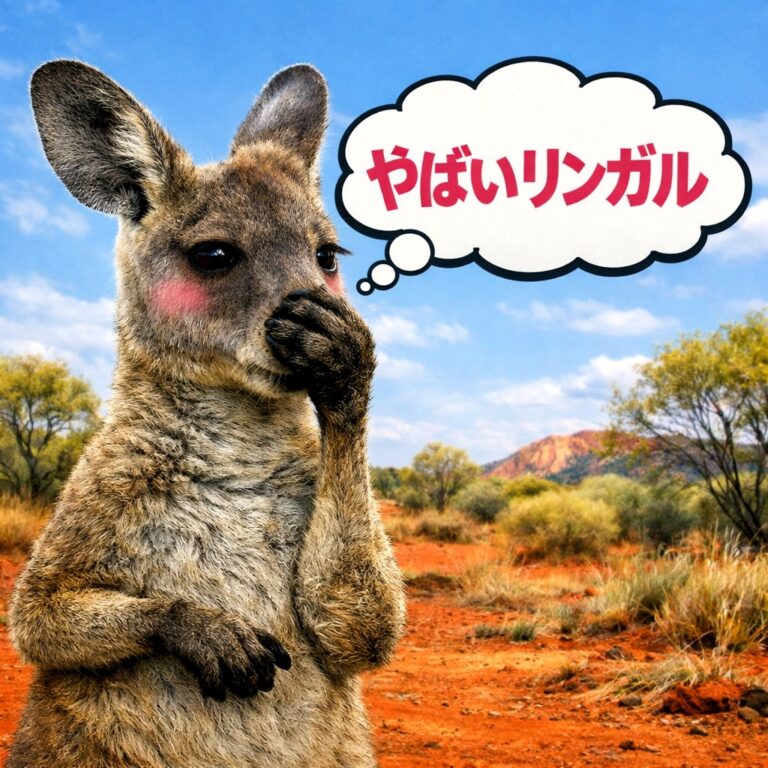
Kangaeroo.com originally started as a bit of a joke site focused on Strine–the word to describe Australian English that is a play on the word “Australian” as pronounced in a broad Aussie accent. In the earliest years of the site, language played a central role in content. I created categories like やばいリンガル, which was loosely for words that were a little bit on the naughtier side, or yabai, in both English and Japanese. Then we had 豪cabulary that honed in on individual words that are distinctly Australian with the category being a portmanteau of go (豪), the kanji abbreviation used in Japanese for the now virtually archaic name for Australia…

Cheap Houses in Japan for Aussies Japan’s market for akiya, literally “empty homes,” continues to offer astonishing bargains — from ¥0 giveaways to charming kominka under ¥1 million. And with the yen being weaker against the Aussie dollar than it has been for decades, there’s no better time for those Down Under to get on top of the akiya trend. Market Snapshot Japan’s depopulation continues to accelerate, especially in rural prefectures. Municipalities are increasingly motivated to offload vacant homes, and several regions have expanded subsidies for renovation, relocation, or child‑raising. With the yen at an historically low level, even renovated homes are now comparatively affordable. Top Akiya Listing Sites (With…

Aussies can buy an (almost) authentic Japanese castle for only about $100,000, it has been revealed recently on social media. Century21 Japan is selling the 6-story castle (with a restaurant on the second floor) in Akabira, Hokkaido, at a price unimaginable to potential home buyers Down Under. Of course, at that price, there’s bound to be a few catches, but perhaps not as many as some may think, especially considering it comes with a huge garden (over 5,000 m2), a working elevator, restaurant, more than 40 parking spaces and connection to sewage and water mains. Located in Hokkaido, Japan’s northernmost island and home to the cashed-up bogan paradise of Niseko,…

Hopper is the (brilliantly original!) name given to the kangaroo used to promote U.S. satellite TV network Dish. Hopper was probably at her most prominent in the mid 20-teens as Dish launched a huge campaign to popularize Internet telly. During the 2014 campaign, Hopper was voiced by portly Strayan actress Rebel Wilson, then at the peak of her career. The campaign centered on Dish’s universally praised digital video recorder, which is also called Hopper, like the kangaroo that promotes the network. The line of recorders further extends the kangaroo link by naming the compact version of the DVR, Joey, which is, of course, the name for infant kangaroos. Incidentally, Rebel…
We use cookies to improve your experience on our site. By using our site, you consent to cookies.
Websites store cookies to enhance functionality and personalise your experience. You can manage your preferences, but blocking some cookies may impact site performance and services.
Essential cookies enable basic functions and are necessary for the proper function of the website.
These cookies are needed for adding comments on this website.
Statistics cookies collect information anonymously. This information helps us understand how visitors use our website.
Google Analytics is a powerful tool that tracks and analyzes website traffic for informed marketing decisions.
Service URL: policies.google.com (opens in a new window)