
豪キャブラリー:Bogan
「Bogan」とは、洗練されていない、あるいは俗っぽいと見なされる人を指すオーストラリアのスラングである。場合によっては、蔑称として使われることもあれば、ユーモアを交えた自虐的な意味合いで使われることもある。
1980年代以降、「ボーガン」は広く認知されたサブカルチャーとなり、しばしば「悪趣味」の代名詞として挙げられるようになった。
「Bogan」とは、洗練されていない、あるいは俗っぽいと見なされる人を指すオーストラリアのスラングである。場合によっては、蔑称として使われることもあれば、ユーモアを交えた自虐的な意味合いで使われることもある。
1980年代以降、「ボーガン」は広く認知されたサブカルチャーとなり、しばしば「悪趣味」の代名詞として挙げられるようになった。
日本語では「大人」という言葉に対し「子供」を「小人」という風に表現してもおかしくない。オージー英語でも、まさしくそのような使い方があり、littliesは子供、ようは「小さい人たち」という表現の仕方がある。ちなみに、「小人」はdwarfかmidgetという言葉を昔使ったがいずれも現在では侮蔑にあたるのでlittle peopleという表現が正しいとされているが、彼らは決して子供ではない。
チキン(鶏)はオーストラリア特有の鳥ではないが、chookという呼び方は独特なオージー英語だ。ちなみにchookがオージー英語で生むのはgoogy eggだ。また、コミュニティグループなどでよく行なわれるくじ引きを「chook raffle」と呼ぶ。由来はおそらく通常1等の賞品が冷凍チキンだったからだろう。なぜだか分からないが、chookは人のニックネームとしてもよく使われている。
大好きな大好きな相手がいれば、pashしてあげると大喜ぶだろう。といいながら、pashは人にしてあげるより、人々がしあう行為だな。Pashはオージー英語独特な省略言葉の一つでありpassionate kiss「情熱なキス」を短くして言う言葉を示す。
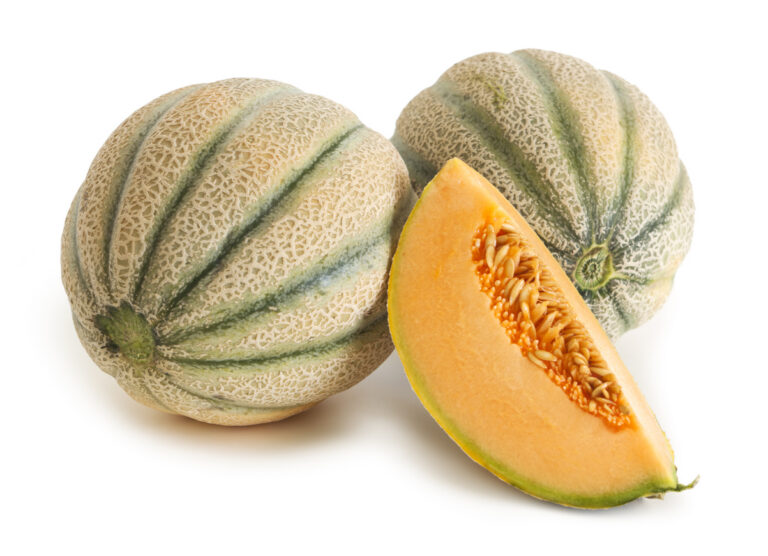
Rockmelons can be a bit of a trap for young players, because it’s a Strine saying for a fruit found pretty much all over the world. Note the distinctive orange texture of the rockmelon flesh. This distinguishes it from the cantaloupe Europeans eat, musk melon preferred by the Japanese and Americans and spansek found in southern Africa. All these fruits are bloody nice wherever you eat them, but the only fair dinkum rockmelons are in Australia, so that’s what makes it a 豪キャブラリー term. ストライン(オージー英語)で rockmelon と言うと、世界中どこにでもあるフルーツのことだから、初心者にはちょっとした落とし穴になる。果肉がオレンジ色なのが特徴で、ヨーロッパで食べられているカンタロープ、日本やアメリカなどで好まれるマスクメロン、南部アフリカのスパンセックとはそこが違う。どれもめちゃくちゃうまいんだけど、「本物のrockmelonはオーストラリア産だけ。だからこそ、これは(豪キャブラリー)なんだ。」 Strine Dictionary | 考えRoo

The phenomenon didn’t appear from nowhere. Australia already had a long tradition of the larrikin, the ocker and various regional versions of the uncouth Australian male. Before “bogan” became dominant, different parts of Australia had their own labels: Region Earlier stereotype Sydneyシドニー Westie Queenslandクイーンズランド Bevan Canberraキャンベラ Booner Hobartホバート Chigga Melbourneメルボルン Bogan “Bogan” eventually swallowed many of these regional identities and became national. This is important because bogan isn’t simply a class label. It became a way of talking about a particular form of Australian taste.
Belt upを聞くとまずシートベルトを付けると思うがちだが、オージー英語ではシートベルト及び普通のベルトでもまったく関係ありません! かえて、安全を守ってくれるシートベルトやズボンなどを落ちないように役立つベルトのようなポジティブな感覚が一切なく、「黙れ」または「人をボコボコにする」という意味になる。この場合の使い方の由来は、恐らく昔ではベルトがよく体罰に使われたからだろう。しかし、なぜ「shut up」の代わりに使えるようになったかが不明だ。
We use cookies to improve your experience on our site. By using our site, you consent to cookies.
Websites store cookies to enhance functionality and personalise your experience. You can manage your preferences, but blocking some cookies may impact site performance and services.
Essential cookies enable basic functions and are necessary for the proper function of the website.
These cookies are needed for adding comments on this website.
Statistics cookies collect information anonymously. This information helps us understand how visitors use our website.
Google Analytics is a powerful tool that tracks and analyzes website traffic for informed marketing decisions.
Service URL: policies.google.com (opens in a new window)