
ファースト・オーストラリアンズ Episode 2 Part 3/6
「ファースト・オーストラリアンズ」(英語)は、2008年作のドキュメンタリー。先住民の視野からオーストラリアの歴史を記録する。必見だ! 今日は2作目6部中3部目。
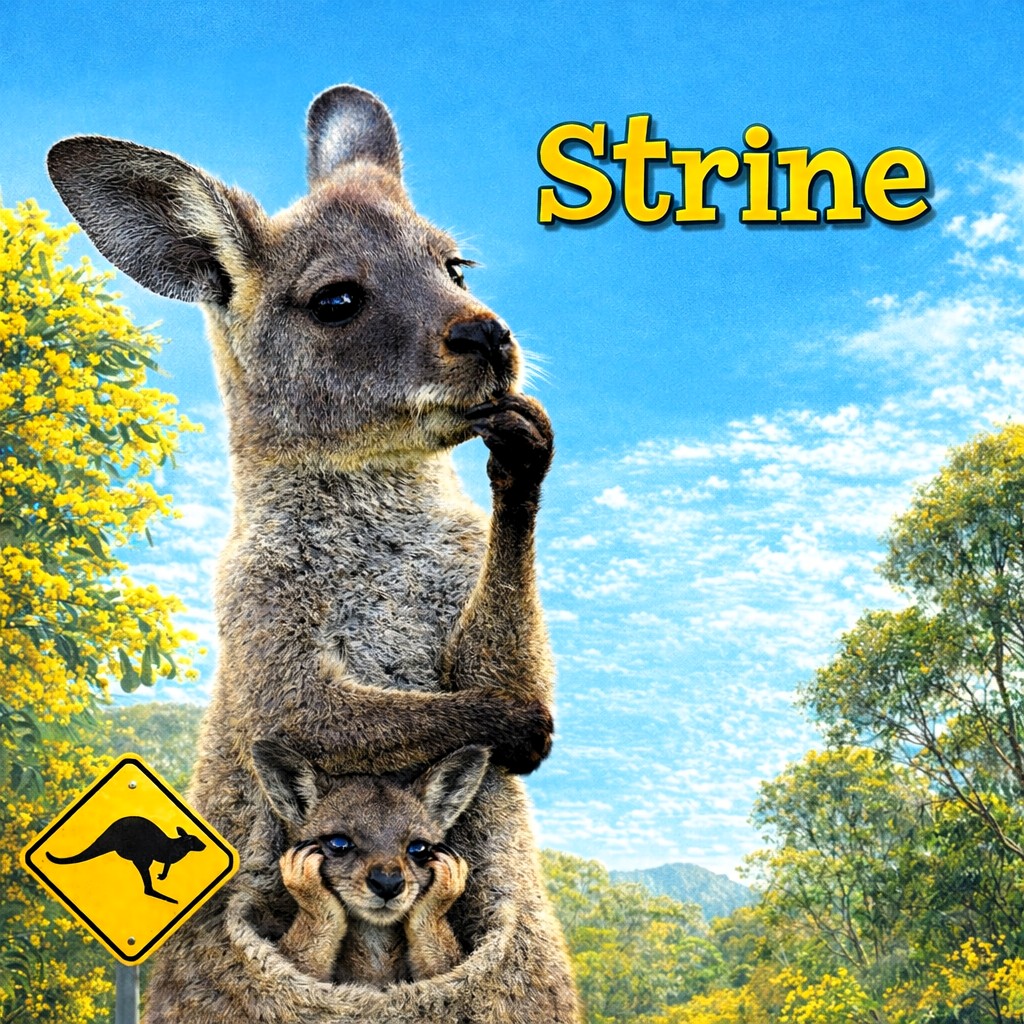 Strine is how Aussies pronounce Australian, and gives its name to the country’s unique brand of English.
「ストライン」とは、オーストラリア人が「 Australian 」を発音したときの響きで、そこから同国独特の英語を指す名前として使われるようになりました

「ファースト・オーストラリアンズ」(英語)は、2008年作のドキュメンタリー。先住民の視野からオーストラリアの歴史を記録する。必見だ! 今日は2作目6部中3部目。

「ファースト・オーストラリアンズ」(英語)は、2008年作のドキュメンタリー。先住民の視野からオーストラリアの歴史を記録する。必見だ! 今日は2作目6部中2部目。

「ファースト・オーストラリアンズ」(英語)は、2008年作のドキュメンタリー。先住民の視野からオーストラリアの歴史を記録する。必見だ! 今日は2作目6部中1部目。

One of the great tools used for communicating Strine.

「ファースト・オーストラリアンズ」(英語)は、2008年作のドキュメンタリー。先住民の視野からオーストラリアの歴史を記録する。必見だ! 今日は1作目7部中7部目。
The exact opposite of being out in Woop Woop.

「ファースト・オーストラリアンズ」(英語)は、2008年作のドキュメンタリー。先住民の視野からオーストラリアの歴史を記録する。必見だ! 今日は1作目7部中6部目。
A city chock-a-block full of banana benders.

「ファースト・オーストラリアンズ」(英語)は、2008年作のドキュメンタリー。先住民の視野からオーストラリアの歴史を記録する。必見だ! 今日は1作目7部中5部目。
What you do when you’re not being serious.
We use cookies to improve your experience on our site. By using our site, you consent to cookies.
Websites store cookies to enhance functionality and personalise your experience. You can manage your preferences, but blocking some cookies may impact site performance and services.
Essential cookies enable basic functions and are necessary for the proper function of the website.
These cookies are needed for adding comments on this website.
Statistics cookies collect information anonymously. This information helps us understand how visitors use our website.
Google Analytics is a powerful tool that tracks and analyzes website traffic for informed marketing decisions.
Service URL: policies.google.com (opens in a new window)