Australian slang

  • Game as Ned Kelly And Why It Means Bravery

    Imagine someone suggesting a terrifying climb, a dangerous adventure or an apparently mad challenge. An Aussie might say: “You’d have to be game as Ned Kelly to do that.” That doesn’t mean the person resembles Ned Kelly in every respect. It means they’re exceptionally brave, daring or willing to take a risk. The expression comes from the legend surrounding Ned Kelly, Australia’s most famous bushranger. The Australian National Dictionary Centre defines the phrase as meaning fearless in the face of the odds, or foolhardy. Meaning “Game as Ned Kelly” means extremely brave, daring or foolhardy. Example “You’re going skydiving tomorrow? You’re game as Ned Kelly, mate.” 「明日スカイダイビングするの? ずいぶん度胸があるね。」 日本語での解説 日本語なら「度胸がある」「怖いもの知らず」「大胆だ」などが近いでしょう。 ただし、Ned…
  • No Flies On Why Sharp Aussies Never Sit Still

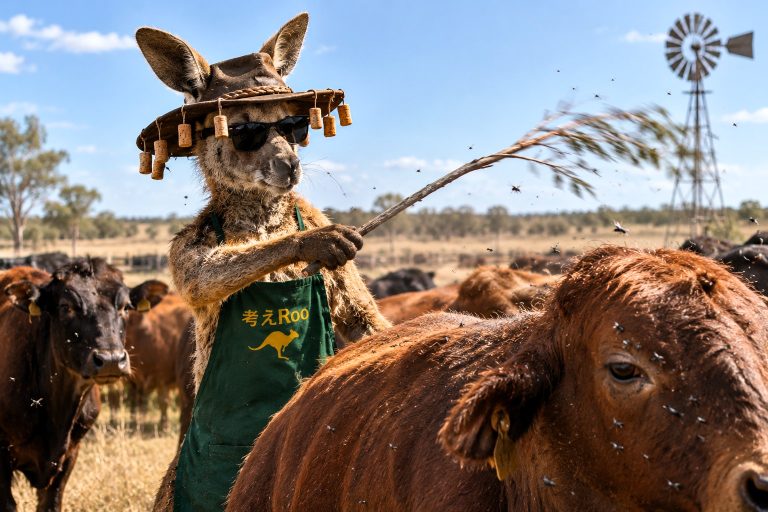
    Why would Aussies compliment someone’s intelligence by talking about insects that aren’t there? なぜオーストラリア人は、そこに「いない」虫の話で相手の賢さを褒めるのだろうか? In the paddocks of 1840s colonial Australia, stockmen noticed something about their cattle: the laziest, slowest animals attracted swarms of flies, while the sharp, active ones moved around too much for any fly to settle on them. From that simple bit of bush observation came one of Australia’s oldest surviving slang phrases, and it was exporting itself to the U.S. and Britain within a few decades. 1840年代、植民地時代のオーストラリアの牧場で、牧夫たちは牛について面白いことに気づいた。動きの鈍い牛にはハエがたかるが、活発に動き回る牛にはハエがとまる暇がない、というのだ。この素朴な観察から生まれたのが、オーストラリアに現存する最古のスラングのひとつであり、数十年のうちにアメリカやイギリスにも輸出されていった。 Meaning “No flies on [someone]” means that person is sharp, alert, and not easily fooled — the exact opposite of a “drongo.” It’s almost always used as a compliment….

  • Heaps, And Why Aussies Turn A Noun Into “So Much Of It”

    An Aussie tradie looks at a client’s renovation quote and says, “Nah mate, that’s heaps too dear.” No hills or piles of anything are involved. So, what is “heaps” actually doing in that sentence? オージーの職人がリフォームの見積もりを見て「Nah mate, that’s heaps too dear(いや、それめっちゃ高いよ)」と言う。山も丘も出てこない。では、この “heaps” は一体何をしているのだろう? Heaps in Strine means “a lot” or “many” as a noun (“heaps of tourists”), and, more distinctively, it’s used as an intensifier meaning “very” or “extremely” (“heaps good,” “thanks heaps”). It’s one of the most flexible words in everyday Strine, slotting in anywhere “really” or “a lot” would go in standard English. Heaps は名詞として「たくさん」「多数」を意味し(heaps of tourists=たくさんの観光客)、さらに独特なのは「とても」「めちゃくちゃ」という強調語としても使われる点だ(heaps good=めっちゃ良い、thanks heaps=ほんとにありがとう)。標準英語の “really” や “a lot” が入る場所ならほぼどこにでも使える、日常ストラインの中でも特に汎用性の高い単語である。 Example “We had heaps of…

  • 何でオージー版Spongerの吸収が悪い?

    Why Is A Strine Sponger Not A Good Pickup? どんな職場にも、どんなシェアハウスにも、必ずいる。誰かの分まで飲み食いして、 自分の分は絶対に払わない人。オーストラリア人はその人を”sponger”(スポンジャー) と呼ぶ。 Every workplace, every share house, every family gathering has one: the person who never quite pays their share, never quite pulls their weight, and always seems to be there right when the food comes out. Aussies have a word for them: sponger. Meaning A sponger is someone who lives off other people’s generosity–money, food, a couch to crash on –without ever giving anything back. The image is a kitchen sponge: soaking everything up, contributing nothing. spongerとは、お金でも食べ物でも寝床でも、他人の親切に頼って生きているのに、 何一つお返しをしない人のこと。台所のスポンジのように、すべてを吸い込むだけで 何も生み出さない、というイメージから来ている。 Example “Don’t invite Dave to the barbie. He’s a total sponger, never brings a snag or a coldie.” 「デイブをバーベキューに誘わないで。あいつは完全なスポンジャーで、 ソーセージ一本もビール一本も持ってこないんだから」…

  • Scungiesはくだけているが、「バジー密輸」より良いのはなぜ?

    Scungies Is A Lousy Word, But Still Better Than “Budgie Smugglers” 「バジー・スマグラーズ(budgie smugglers)」、ようするに、「バジーを密輸する服」は賛成のパンツ型水着のことだ。世界的に有名になった言葉だが、 その表現が生まれるずっと前から、オーストラリアのサーファーたちには ぴったりした水着を指す言葉があった。しかも、それは決して褒め言葉ではなかった。 “Budgie smugglers” gets all the international fame. But long before that phrase existed, Australian surfers already had a word for tight swimming briefs. And it wasn’t a compliment. Meaning スカンジーズとは、ぴったりとした男性用の水着ブリーフのことで、スピード社の 水着(Speedo)とほぼ同義語だ。この言葉は、より古いオーストラリア俗語 “scungy”(汚らしい、感じが悪い)に由来しており、1970年代のサーフカルチャーに おいて、それを着る人への軽い侮蔑が込められていた。シドニーの一部地域では、 ネットボールのスカートの下にはくブリーフ型下着を指すこともある。 Scungies are brief, close-fitting men’s swimming trunks, essentially another word for Speedos. The word comes from the older Australian slang term scungy, meaning dirty or disagreeable, reflecting a certain 1970s surf-culture disdain for anyone who wore them. In some parts of Sydney, “scungies” also refers to girls’ brief sports underwear worn beneath a netball skirt. Example “The ultimate disgrace for a…

  • |

    なぜDagはオージー英語で多様性がある?

    Is “Dag” Strine’s Most Versatile Word? 英語の中で、褒め言葉にも侮辱にもなり、しかも羊のお尻にこびりついた汚れをも 意味する単語はそう多くない。それが”dag”(ダグ)だ。 Few English words can be a compliment, an insult, and a description of something stuck to a sheep’s backside all at once. Welcome to Strine’s “dag.” “dag”にはオーストラリア英語で三つの関連した意味がある。①愛嬌のある変わり者、 親しみを込めて言われることが多い。②社会的に不器用でダサい人、特に十代の 若者を指すことが多い。③文字通り、羊のお尻にこびりついた糞まみれの毛玉。 「ダサい」という意味は、間違いなくこの三番目の、最も格好悪い意味から 生まれたものだ。 A dag has three related meanings in Strine: (1) a character or amusing eccentric — often said with affection; (2) a socially awkward, uncool person, usually a teenager; (3) literally, a lump of dung-matted wool hanging from a sheep’s rear end. The insult sense almost certainly comes from the third, least glamorous meaning. Example “He wore socks with sandals to the wedding. What an absolute dag.” 「結婚式にサンダルと靴下を合わせてきたんだ。本当にダグ(ダサい)やつだよ」 日本語では? 面白いのは、”dag”が必ずしも悪口とは限らないという点だ。”He’s such a…

  • オージー版かんちょうのDackingはどうなる?

    What’s So Risky About A Dacking? とにかく、dackingは誰が隙間を見ていきなりズボンなどを下すことだから危険だ!言葉として全く問題ないだが、行為自体がやばい。しかし、特に若者の間、学校など公の場でふざけながらよくあること。 Every Australian schoolyard has a story about it. Someone runs past, a quick tug, and suddenly a classmate is standing in the yard in their undies while everyone else falls about laughing. Australians have a single word for this act of mild social terrorism: dacking. オーストラリアのどの学校にも、この話が一つはある。誰かが走り抜けざまに サッと引っ張ると、クラスメートが下着姿で校庭に立たされ、周りは大爆笑——。 オーストラリア人は、このちょっとした社会的テロ行為を一語で表す。それが “dacking”だ。 Meaning To “dack” someone means to pull their trousers down, usually as a prank, usually in public, and usually to great embarrassment. It’s the verb form of “daks” (trousers). “dack”とは、誰かのズボンを引っ張って下ろすこと。たいていはいたずらとして、 たいてい人前で行われ、たいてい本人を大いに赤面させる。これは「daks」 (ズボン)という名詞の動詞形である。 Example “Watch out for Macca at footy training — he’ll dack you in front of the whole team if you’re not careful.”…

  • Why Do Aussies Say “Dead Set?”

    What Does “Dead Set” Mean in Aussie English? Aussieが「Dead Set」と言うのはどういう意味? Imagine you’re telling an Aussie friend about your weekend. “I saw a wild koala sitting in my backyard.” Your mate raises an eyebrow. “Dead set?” They’re not talking about life and death. They’re asking, “Really?” “Are you serious?” “You’re not joking, are you?” But that’s only one meaning. Like many Strine expressions, “dead set” changes its meaning depending on how it’s used. Aussie英語には、短いのに意味がたくさんある表現があります。その代表格が、”dead set” です。 会話の中では、「本当に?」という質問にもなれば、「絶対に」という強調にもなります。さらに、「本気で言ってる。」「間違いない。」という意味で使われることもあります。Aussieなら毎日のように耳にする、とても便利なStrineです。 Expression Dead set Pronunciation /ˌded ˈset/ Meaning ① 本当に? 本気で?マジか? 相手の話に驚いたときの聞き返しです。 ② 絶対に。間違いなく。 自分の意見を強く伝えたいときに使います。 ③ 本気で。正直に。 「冗談じゃないよ。」という気持ちを表します。 Example “I caught a two-metre shark from the beach.” “Dead set?” 「浜辺で2メートルのサメを釣ったんだ。」 「本当に?」 また、 I’m dead set against…

  • |

    Why Do Aussies Talk About “The Trots?”

    What Does “The Trots” Mean in Aussie English? Aussieが「The Trots」と言うのはどういう意味? “Sorry, mate. I can’t come into work today.” “What’s up?” “I’ve got the trots.” Almost no Aussie hearing that conversation would assume the speaker had been watching horse racing. Although “the trots” can refer to harness racing, in everyday conversation it almost always means something much less enjoyable…Diarrhoea. Like so many Strine expressions, it’s a humorous way of talking about an unpleasant subject. 「今日は会社を休みます。」 「どうしたの?」 「I’ve got the trots.」 もしAussieがこの会話を聞いたら、ほとんどの人は「お腹をこわしたんだな」と思うでしょう。もちろん、”the trots” には競馬の一種である「ハーネスレース(繋駕速歩競走)」という意味もあります。しかし、日常会話では圧倒的に、「下痢」を意味することが多い表現です。 少し遠回しに、そして少しユーモラスに体調を伝えられるのが、Aussieらしいところです。 Expression The trots Pronunciation /ðə trɒts/ Meaning ① 下痢 日常会話では、この意味で使われることがほとんどです。”I’m sorry, I’ve got the trots.”と言えば、「ごめん、お腹をこわしちゃった。」という意味になります。 ② ハーネスレース(繋駕速歩競走) 馬が小型の二輪車(サルキー)を引いて走る競技。競馬好きのAussieなら、”I’m going to the trots tonight.”と言えば、「今夜はハーネスレースを見に行く。」という意味になります。 ③ 運・ツキ 昔のAussie英語では、”a good…

  • What Does An Aussie Do With Their Stubbies?

    「Stubbies」はビール?それともズボン? オーストラリアで初めてバーベキューに招待された人が、こんな会話を耳にしました。 “Chuck on ya stubbies and grab a few stubbies.” 「えっ? 同じ言葉を二回も言った?」 実は、どちらも正解です。 stubbies は、Aussie英語の中でも特に面白い言葉のひとつ。 文脈によって、 ① 男性用の短パン にも、 ② 小瓶のビール にもなるのです。 初めて聞くと混乱しますが、Aussieなら会話の流れだけでどちらの意味かすぐに分かります。 Word stubbies 発音 /ˈstʌbiz/ Meaning ① 男性用の短パン 膝上までの短いショートパンツ。 暑い夏の日や庭仕事、バーベキューなどでよく見かけるAussieの定番スタイルです。 ② 小瓶ビール 缶ビールではなく、小さなガラス瓶に入ったビール。 パブやボトルショップでは今でも stubbies と呼ばれることがあります。 Example It’s too hot for jeans. I’m wearing my stubbies. 「今日は暑すぎるから、短パンで行くよ。」 また、 Pick up a six-pack of stubbies on your way over. 「来る途中で小瓶ビールを6本買ってきて。」 日本語で言うと? ① は、 「半ズボン」 「ショートパンツ」 ② は、 「小瓶ビール」 が近い表現です。 同じ単語で服と飲み物を表す日本語はほとんどありません。 だからこそ、stubbies は覚えておくとAussieらしさを感じられる単語です。 Australia–Japan Connection 日本では夏祭りや花火大会に浴衣という定番スタイルがあります。Aussieの夏なら、Tシャツ・stubbies・サンダルが定番です。そして、エスキー(クーラーボックス)の中には冷えた stubbies。 同じ言葉で「履いているもの」と「飲んでいるもの」を表せるなんて、いかにもユーモア好きなAussieらしいですね。 高価なトロフィーよりも、一つの古びた帽子。そんなところAussie英語には、「えっ、同じ単語?」と思わせる言葉が少なくありません。stubbies も、その代表選手です。でも、会話を聞いていると不思議なくらい混乱しません。なぜなら、「短パンを飲む」ことも、「ビールを履く」こともありませんから。文脈を楽しめるようになると、Aussie英語はもっと面白くなります。にも、オーストラリア人が伝統を大切にする国民性が表れています。 Related Words