Shark biscuit (bikkie)/新米のサーファー

Shark biscuit (bikkie)
Australian English

Somebody new to surfing. Many sharks swim in the waters along Australian coastlines. Surfers who are unsure of themselves are in danger of becoming a meal for the sharks. Sometimes, bikkie is used instead of biscuit.

日本語
新米のサーファー。直訳すると「サメのビスケット」という意味。由来は、オーストラリア海岸沖にサメがたくさんいますので、サーフィンに経験が浅い人なら、食べられちゃう可能性がある。Biscuitの代わりにbikkieという時もある。
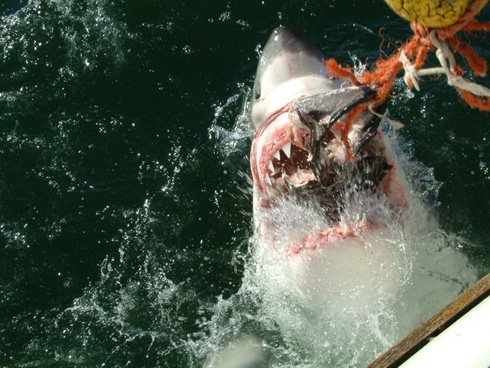
Great White

Plain English
Shark bait

It’s Sal’s first time surfin’, so she’s a shark biscuit.サルは、サーフィンが初めてだからボードから落ちる。It’s Sal’s first time on a board, so she’s shark bait.
Nothing’s funnier than watching a shark bikkie try to hit the waves.サーフィンが初めての人を波乗ろうとすることほど面白くおかしなものがない。Nothing’s funnier than watching shark bait try to hit the waves.

Strine Dictionary

Cop A Gander At These Rippers Too...

  • |

    「やばいリンガル」Grouse (最高!)

      「フェーマスグラウス(Famous Grouse)」は世界中で有名なウィスキーであり、grouseは米・英語圏ではライチョウの意味だけど、オージー英語になると完全に意味が異なる。さて、どのように?  Outside of Australia, grouse is the name of a bird, most notably the one that gives its name to the globally recognized whiskey Famous Grouse. But what happens when the word gets Down Under?

  • Did The Sun Never Shine Brighter?

    What Does “Never Saw the Sun Shine Brighter” Mean? Aussieが「Never Saw the Sun Shine Brighter」と言うのはどういう意味? An old mate has just won the lottery. Another has become a grandfather for the first time. Someone asks how they’re feeling. With a huge grin, the answer comes back: “I never saw the sun shine brighter.” Nobody is talking about the weather. It’s a wonderfully old-fashioned Aussie way of saying, “I couldn’t be happier,” or “Life has never looked better.” Although it’s not heard as often today, you’ll still come across the expression in older books, films and conversations with older Aussies. 日本語には、「空まで晴れやか」という表現があります。Aussieにも、それによく似た言い回しがあります。それが、”Never saw the sun shine brighter” というStrineです。もちろん、本当に太陽がいつもより明るく輝いているわけではありません。 「これ以上ないくらいうれしい。」「人生最高の日だ。」「幸せでいっぱいだ。」 そんな気持ちを表す、美しい表現です。 どこか詩のような響きがあり、昔のAussieが好んで使った言葉として今でも親しまれています。 Expression Never…

  • 「ワニに食べられないで学校へ行けるのが全ての子供の権利だ」

     クイーンズランド州北部ウジャルウジャルでは、老朽化した橋と洪水によってワニが通学路に近づくようになり、地域の子供たちが危ないだ、と豪news.com.auが2日付報道した。  ウジャルウジャルは、人口約300人で住民のほとんどが先住民。  通学するためブルームフィールド川を渡らなければならないが使う橋が老朽化した。州政府が新しい橋建設のために予算がとているが、お役所仕事で着工が遅くなり年末頃から始まる雨季に予定通り建てられそうも無い。橋の建設は具体的にできる時期が未だに決まっていない。  そして、最近、町のバス停近くにワニが見かけれて、住民が通学する子供たちの安全を懸念している。  「ワニに食べられないで学校へ行けるのが全ての子供の権利だ」とウジャルウジャル住民であるフランセス・ウォーカー氏がいう。  下記のビデオはこのケースと別件だが、ケアンズからそれほど遠くないウジャルウジャルではこのようなことが多いらしい。 Crocodile fears for schoolkids as bridge delayed 大きな地図で見る

  • |

    日本人が知っている豪先住民語

    Modern Japanese is filled with examples of borrowed words from foreign languages, which are known as gairaigo. “G’day” is probably widely known throughout Japan as a symbol of Australian English, but there are some even more uniquely Australian words that have also made their way into Japanese.  現代の日本語は、外国語を由来とする、いわゆる外来語が多く、オージー英語から来ている言葉もその例外ではない。日本では「グッダイ」が、オージー英語の典型的な例としてよくあげられるが、実際に日常生活の中でもオーストラリア先住民語が使われているという事実がある。