
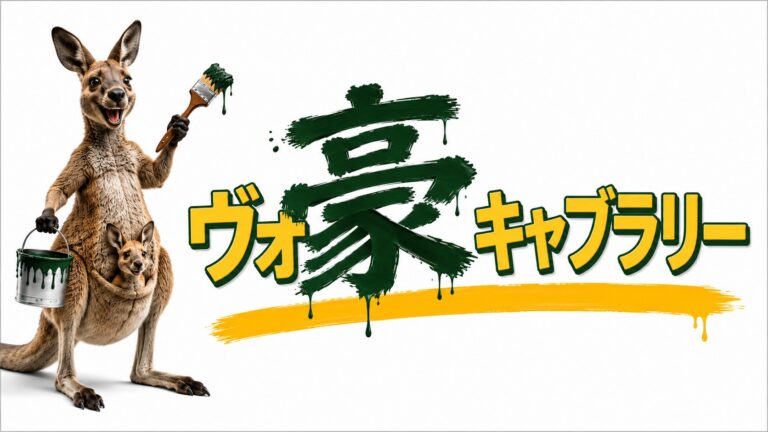
豪キャブラリー: Packed
考えてみれば、今日の豪キャブラリー「packed」はそれほど常識はずれの意味ではない。オージー英語では「混んでいる」ことを示すが、直訳すれば「詰めている」という意味がある。そう考えれば理解できなくないよね。しかし、他の英語圏ではpackedはこの使い方をしない。
 | 豪 | 英・米語 | 日本語 |
| Packed | Crowded, jammed | 混んでいる、すし詰め状態 |
考えてみれば、今日の豪キャブラリー「packed」はそれほど常識はずれの意味ではない。オージー英語では「混んでいる」ことを示すが、直訳すれば「詰めている」という意味がある。そう考えれば理解できなくないよね。しかし、他の英語圏ではpackedはこの使い方をしない。
| 豪 | 英・米語 | 日本語 |
| Packed | Crowded, jammed | 混んでいる、すし詰め状態 |

It was with great delight that I learned overnight that Christmas in Japan in 2025 will have a tinge of Aussie about it. And my enthusiasm was in no way quelled by the fact that this merely meant a screening of Mad Max. With a message of “Merry Mad Max,” National broadcaster NHK‘s Premium Cinema channel will celebrate the festive season with a screening of the Aussie classic propelled to worldwide success on the back of becoming a hit in Japan when it was released here in 1979. Mad Max is Australia’s most successful film franchise and Japan played a huge role in it becoming that way, as we have…

考えRooがオーストラリアについてプレゼンをしましたので、その内容が以下の通りとなりました。コメントなどをぜひ送ってください。 今のオーストラリアの概要 * オーストラリアはラテン語で「南大陸」という意味 * 本土に加えてタスマニア島を含め数多くの島々で構成、面積はおよそ770万㎢であり、日本の約25倍ある * GDPが世界19位、一人当たりのGDPは世界9位 * 人口が2500万人弱、日本の約5分の1 * 住民の80%以上がヨーロッパ系の白人であり、その他にアジア人が約12%、先住民などが約2% * ヨーロッパ人在住が1788年から始まり、イギリスの刑務植民地として開拓された * 当時、イギリス法はオーストラリアを「無人」扱いだったが、先住民がそこですでに数万年間住んでいた オーストラリア先住民 * 昔、「アボリジニ 」として呼ばれた * まだ使われているが、「土人」という意味なので「先住民」、「原住民」、「ファースト・ネーションズ」や特定部族名を使うことが主流 * 先住民の定義は、植民地化以前にトレス海峡諸島民を含めてオーストラリア大陸及び周辺諸島に移住した人の子孫 * 現在、援助対象の場合を除き「先住民」認可は基本的に自己申告 * 植民地化当時人口が約300万人とされているが、今の先住民人口は約65万人であり、全体のおよそ2.8% ドリーミング * 先住民の宗教にあたるのは「ドリーミング、夢の時」 * 個人のすべての過去と現在と未来がつながっていると信じる * 各個人のドリーミングが違い、独特なものである * 部族の象徴でも、習慣でもドリーミングになる * 全ての知識が先祖から集まると信じる * 死後、名前を使用することが禁じられている * 死後、再び土と一緒になると信じる * 宗教同様、多くの神話が部族によって異なった * 共通神話が「虹蛇」 * 虹蛇が創造神話の中心となっている、世界を創ったとされている * 全てのものが土と一緒になるため聖地が多い * 有名な例がウルル(エアーズロック)。聖地であるため、最近、2019年から登山禁止されることが発表 コロボリー * 踊り、音楽、仮装でドリーミングと交流する儀式 * 参加者が体に絵を描く * 原則として誰でも参加できるが女性などが禁止されたコロボリーもあった アボリジナル旗 * アボリジナル旗は先住民族の旗であり、オーストラリアの公式な国旗の一つ * 1971年にハロールド・トーマス(Harold Thomas)によってデザインされた * 黒は、先住民族の黒い肌の色を表す * 赤はオーストラリアの土の色であり、過去も未来を表す * 黄色い丸は生命源である太陽を表す 先住民部族 * 元々先住民は600以上の部族があった * 各部族に特有文化及び言語があった * 先住民言語の多くは絶滅したが、未だに120種類以上が使われている * ほとんどの先住民が英語を母国語としている * オーストラリア・アボリジニ英語が出来た 世界最長継続文化 * 先住民がオーストラリア到来以降狩猟採集社会となった * 未だに狩猟採集社会が北部のアーネム半島を中心に継続している * 継続している文化で世界で最も最長となっている * 最後の未接触部族が1984年にオーストラリア中央部にて発見された * 先住民のほとんどが遊牧民族 * ほんの一部を除けば、入植当時農業がほとんどなかった * 「領土」の感覚がなくて、部族の行動範囲がだいたい決まっても「所有」という感覚がなかった * 部族内戦争が多発したが、目的が主に限られた食資源と部族外女性を取るため * 部族内女性を交換することがあった 先住民の道具:ブーメラン * ブーメランは狩猟やスポーツに使われているこん棒 * いつくかの種類があって、種類によって使用目的が違う * 手で投げて手元に戻ってくる種類が有名 *…
オージー英語の特徴の一つが言葉を短く略して言う事である。Arvoが、その例の一つ。Afternoonの省略だ。もう一つの典型的なオージー英語の特徴として、語尾に「o」を付け加えることがある。Arvoは、これらの典型的なオージー英語の特徴を併せ持つ言葉だ。
なんだかんだ言ってもオーストラリアはギャンブル大国だ。一昔前まで競馬のメルボルンカップのために祭日があるぐらい。そして、オージー同士は壁に登って歩いている2匹のハエのどっちが先に屋根まで登れるかにまで賭けるぐらい賭け事に熱心と言われている。カジノも多くてくじも多様あるので、賭け事は国にとって重要な税収源となっている。そこで、scratchyというくじが出てきて、これは日本のスクラッチと全く同じであり、この種のくじの生まれ親でもある。
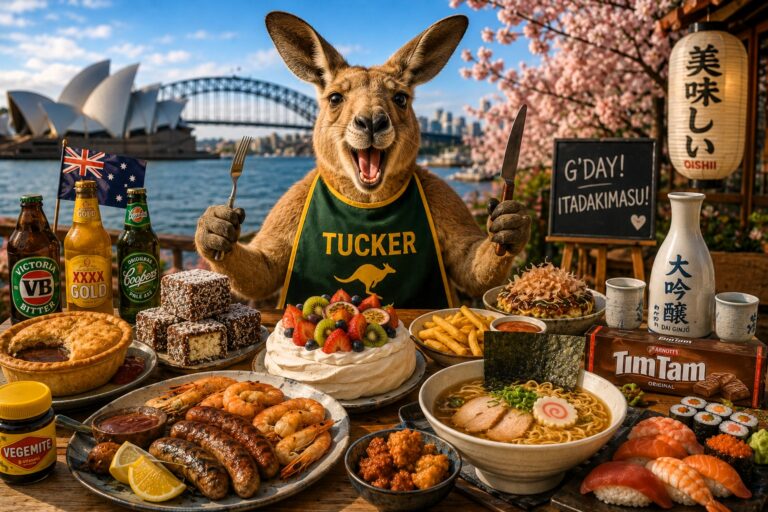
「のどをくすぐる」って、どういう意味? オーストラリア人が “That’ll tickle your tonsils!” と言ったからといって、病院へ行く必要はありません。 Tickle the tonsils は、「おいしい食べ物や飲み物を楽しむ」というユーモラスな言い方です。 特に、冷たいビールやワイン、熱々のパイなどを前にして使われることが多く、 「これはうまいぞ!」「きっと気に入るよ!」 というニュアンスになります。 日本語の「舌鼓を打つ」に少し近い表現ですが、オーストラリアらしく、ちょっと笑える言い回しなのが特徴です。 最近では、「知識を吸収する」「面白い情報を楽しむ」という比喩的な使い方をする人もいますが、本来は飲み物や食べ物に対して使われることがほとんどです。 Strine 表現 Tickle the tonsils 意味 おいしい食べ物や飲み物を楽しむこと。 例文 This cold beer will really tickle your tonsils. 「この冷えたビールは最高だよ。」 日本とのつながり 日本でも「のどごし」という表現がありますが、オーストラリアでは「扁桃腺(tonsils)をくすぐる」という少し大げさな表現で、おいしさを伝えることがあります。 オージー英語(ストライン)には英語には、体の一部を使ったユーモラスな表現がたくさんあります。意味をそのまま訳すより、「どんな気持ちを表しているか」を考えると、ぐっと覚えやすくなります。

大、大、大好きの編集者である都築響一のフェースブック・ページから得た情報だが、オーストラリア北部ノーザン・テリトリーにあり、世界遺産であるカカドゥ国立公園内クーンガラ地区がが世界遺産指定エリアに入り永遠に守れるようになる。 日本発信旅行ブログOnTimeによるとカカドゥは、ウランが大量にあり、オーストラリア経済に有力ある鉱業がどうしても掘り出したがっているが、先住民のジェフリー・リー氏がずーとクーンガラを守って行こうとした。 詳しくはOnTimeへ(日本語)
We use cookies to improve your experience on our site. By using our site, you consent to cookies.
Websites store cookies to enhance functionality and personalise your experience. You can manage your preferences, but blocking some cookies may impact site performance and services.
Essential cookies enable basic functions and are necessary for the proper function of the website.
These cookies are needed for adding comments on this website.
Statistics cookies collect information anonymously. This information helps us understand how visitors use our website.
Google Analytics is a powerful tool that tracks and analyzes website traffic for informed marketing decisions.
Service URL: policies.google.com (opens in a new window)