
豪ゴルフ場にはサメ要注意
1980・90年代で活躍したオーストラリア人ゴルフ選手グレッグ・ノーマン氏のニックネームが「グレート・ホワイト・シャーク」でロゴがサメだが、まさか同氏の生まれ故郷であるブリスベーン市にあるゴルフ場では本物のサメが現れるとは、、、
しかし、同市にあるカールブルックゴルフ場のウォーター・ハザードは水だけじゃない。
同ゴルフ場の14番ホール内の池にはサメがいるのだ!
このコースの池に飛ばしたら、ペナルティをとったほうがいいようなきがするね
1980・90年代で活躍したオーストラリア人ゴルフ選手グレッグ・ノーマン氏のニックネームが「グレート・ホワイト・シャーク」でロゴがサメだが、まさか同氏の生まれ故郷であるブリスベーン市にあるゴルフ場では本物のサメが現れるとは、、、
しかし、同市にあるカールブルックゴルフ場のウォーター・ハザードは水だけじゃない。
同ゴルフ場の14番ホール内の池にはサメがいるのだ!
このコースの池に飛ばしたら、ペナルティをとったほうがいいようなきがするね
典型的なオージー英語を一言で言うならG’dayは「これだ!」という感じだ。G’dayほど有名なオージー英語はない。ちなみに、ニュージーランド英語でもG’dayも使う。G’dayはgood dayという古い英語の省略であり、スペルもguddayやgiddayなどさまざまあるが、辞書などで調べるとG’dayが正しいのだ。
Colorful Japanese entertainer Kyary Pyamu Pyamu will play one show in Australia later this month as part of her Nanda Collection World Tour 2014. Demand to see the performer probably best known for her flamboyant 2011 viral video “Pon Pon Pon” has been enormous and her only Australian show on March 23 was shifted from Sydney’s Metro Theater to the considerably larger UNSW Roundhouse. The often infantile 21-year-old whose full stage name is Caroline Charonplop Kyary Pamyu Pamyu (her real name is Kiriko Takemura) is currently among the best-selling contemporary performers and is easily Japan’s best-known singer among 20-somethings outside of her homeland. Although Kyary Pyamu Pyamu has a reputation…
Veggie mathsは、補修数学のことを示すが、はっきりって軽蔑用語。 Veggie mathsのveggieが「植物人間」の植物(ベジタブル)という意味、現在使用すべきでない言葉となっているが、学校生活は厳しいので、いけないながら(いけないからこそ?)未だに広く使われているのが事実だ。
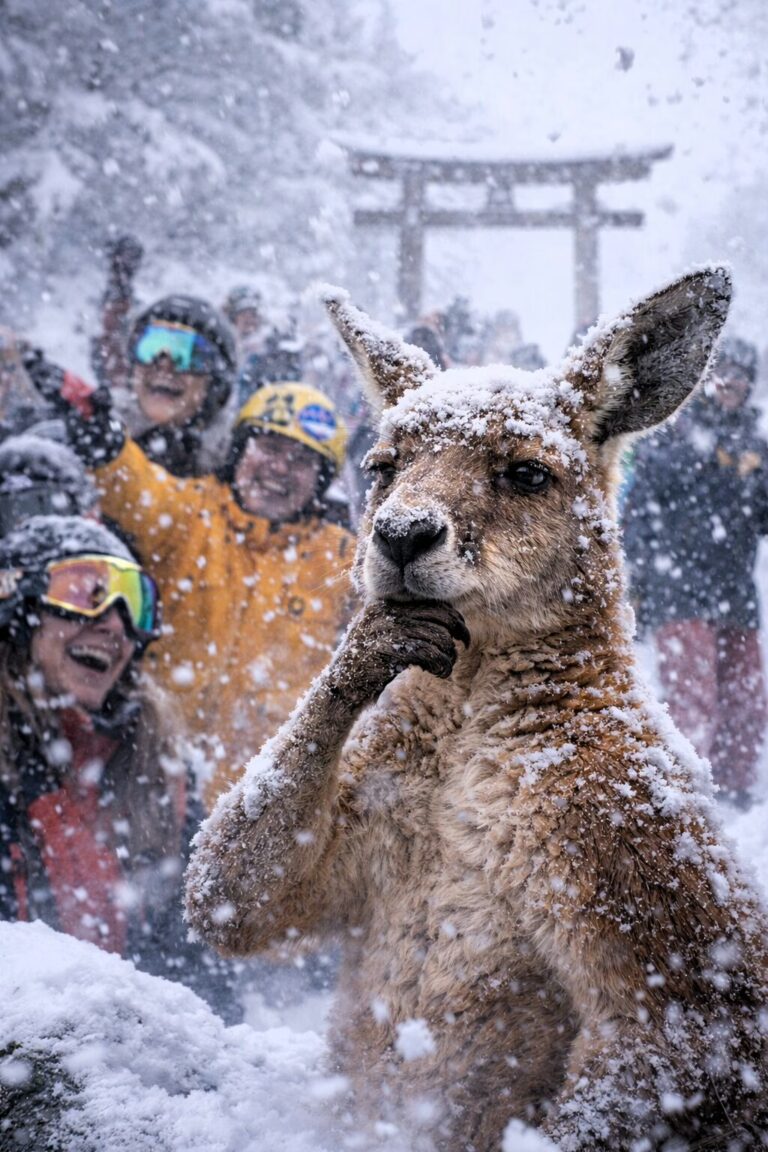
Japan’s feisty online community briefly urged a boycott of Aussie Beef — arguably Australia’s best-known export to Japan — after an Austrian school textbook referred to the Sea of Japan as the “East Sea,” a Korean label aimed at helping it forget its past as a Japanese colony, according to a June 28 report from online Japanese news site J-Cast. Australia, which uses Sea of Japan in its school materials and official documents, had nothing to do with the textbook. Among the comments posted online were “That Australian mob are simple and will fall for anything,” “Why’s Australia calling it the East Sea if it’s not to their east?” and…
メルバ・チョコ(南オーストラリア州本部)販売の「カウパット(牛糞)チョコ」が大ヒット中、と同社が発表した。 もちろん、本物の牛糞で製作されている訳がないが、同社がそれをモチーフに丸くて、ペタンコ激似のチョコを製菓している。同社によると、大ヒット商品だ。 実は、牛糞が英語を言語としてちょっとした面白い存在。(オーストラリアを含む)英語圏ではカウパット(cowpat)というが、米語圏でカウパッド(cowpad)という。 世界各国では牛糞は実際に意外と役に立つ。南アジア諸国では燃料及び発電に使われている。また、アフリカでは虫除けか自宅用の絶縁材として利用する場合が多い。なお、欧米ではカウパット投げやカウパットビンゴなどといって遊びにも度々登場する。 オーストラリアでは牛が外来種であるため、牛糞の自然処理法は存在しなかった。そこで、オーストラリア最大科学研究開発期間である連邦科学産業研究機構(CSIRO)が豪州糞虫計画を1950年代に始まり、数十年かけて牛糞の自然処理法として糞虫を導入し、環境的な被害を最小限に止まりながら見事に成功を果たした。 メルバ・チョコレート工場の風景(豪テレビ)
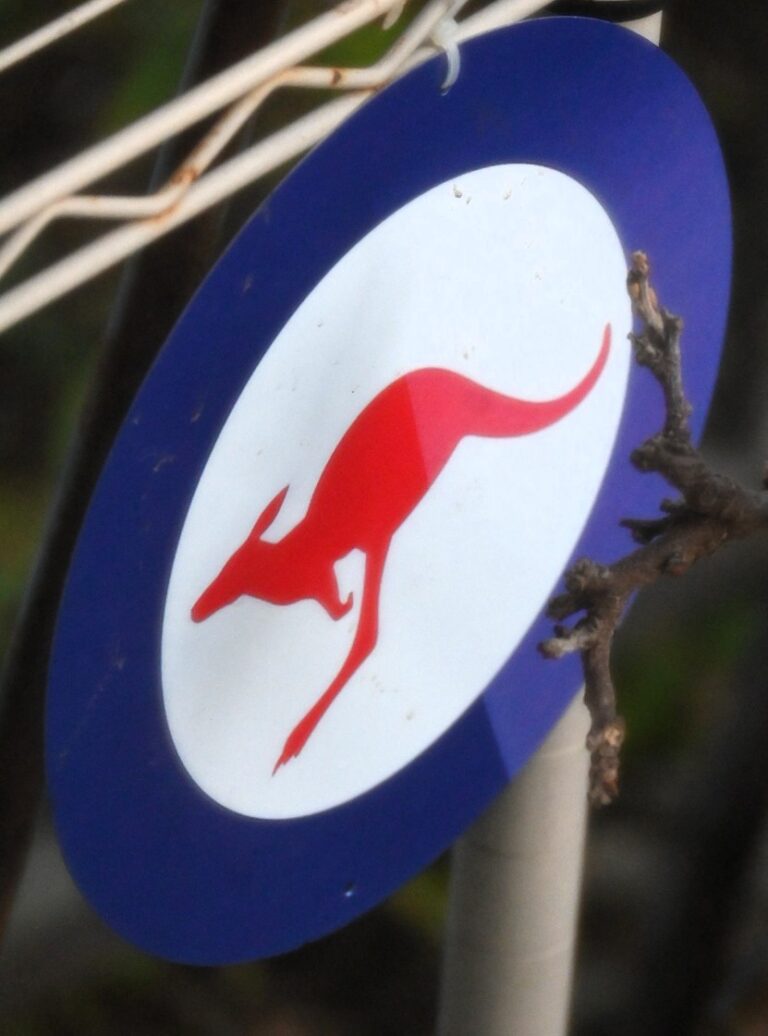
fairy floss Australian English Fairy floss is the Australian term for cotton candy, with the name given because of the treat’s light, fluffy appearance. It is also sometimes used to describe a weak effort. 日本語 1) 綿あめ。 2) 弱い、努力不足。 直訳すると「妖精の綿毛」という意味。由来は、同あめが妖精のようにふわふわしている。 Plain English Cotton candy, candy floss Strine Dictionary
We use cookies to improve your experience on our site. By using our site, you consent to cookies.
Websites store cookies to enhance functionality and personalise your experience. You can manage your preferences, but blocking some cookies may impact site performance and services.
Essential cookies enable basic functions and are necessary for the proper function of the website.
These cookies are needed for adding comments on this website.
Statistics cookies collect information anonymously. This information helps us understand how visitors use our website.
Google Analytics is a powerful tool that tracks and analyzes website traffic for informed marketing decisions.
Service URL: policies.google.com (opens in a new window)