Yucko: An Expression for Something Disgusting And Not A Japanese Women’s Name
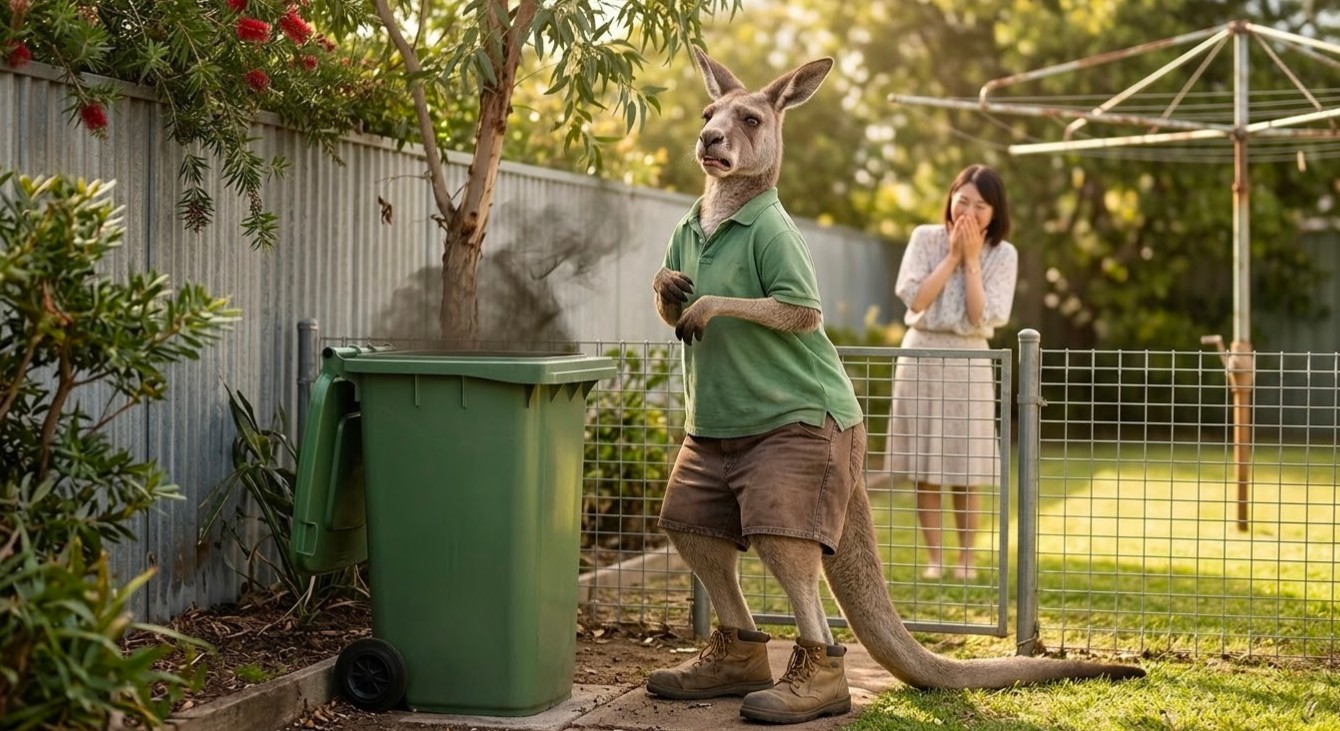
Some things are so disgusting that plain old yuck just doesn’t seem enough. Yucko adds an extra flourish of revulsion, making it a handy expression for food, smells, mess and unpleasant experiences.

気持ち悪いものを見たり、嫌な臭いを嗅いだりしたとき、ただ「うえっ」と言うだけでは足りないことがあります。そんなときに使えるのが、嫌悪感を強調する yucko です。

Meaning

Yucko is an informal expression of disgust, meaning revolting, gross or unpleasant. It can be used as an exclamation or as a description of something that makes you recoil.

Yucko は、気持ち悪い、ぞっとする、不快だという気持ちを表すくだけた言葉です。単独で叫ぶことも、嫌なものを形容するように使うこともできます。

Examples

Yucko! What’s that smell?

うえっ! この臭い、何だよ?

That leftover curry looks yucko.

その残り物のカレー、見た目からして気持ち悪い。

Japanese Explanation

日本語なら「うえっ」「げっ」「気持ち悪い」「キモい」などが近い表現です。相手や場面によって、冗談っぽくも本気の嫌悪感としても使えます。

In Japanese, the closest equivalents include ugh, gross and yucky. The best translation depends on whether the reaction is playful, childish or genuinely disgusted.

Australia–Japan Connection

Yuck and yucky are widely understood in English, while yucko has a playful, informal feel and is associated with Australian usage. It suits everyday banter more than formal conversation.

Yuck や yucky は英語圏で広く使われますが、yucko はよりくだけた、遊び心のある響きがあります。日常会話や冗談には向いていますが、改まった場面には不向きです。
考えRoo の考え

Yucko is short, expressive and hard to misunderstand. It’s just the thing when something makes your ears, nose or stomach complain. 短くて気持ちが伝わりやすい yucko。耳や鼻、胃袋まで文句を言いたくなるときにぴったりです。
Cop A Gander At These Rippers Too...

  • Summer Cycling Sways Silent Sweetness

    For the second year in a row we have been able to have a reasonable undemanding summer season, which is an absolute delight as the hottest time of the year has traditionally meant gruelling hard work as it is our busiest time of the year. The pandemic and pretty lousy sales people have ensured that we do not have to put in overtime; in the office at least. There’s not enough time in the day for me as I continue my pursuit of the goal to cycle a circumnavigation of the world in a year (which requires pedaling over 28,000 km or so).

  • Settling Back Down To Being Unsettled

    After a magnificently enjoyable week off that followed a month of working from home with little external pressure, the return to reality has been more unsettling than resuming the settling effects of routine. I guess the passage of time will make things easier. It has been pretty hectic in some ways, nonetheless. Just getting back to commuting, using the sometimes unfriendly ticket vending machines, packing myself into the train carriage with thousands of others, and then the grueling trip downtown where each stop means even more commuters cramming in with us. Getting into the office, I was rewarded with a swag full of company merch! Work has eased me back…

  • Fantastic Flora

    Slowly but surely the flowers in Kangaeroo Corner are putting on an increasingly delightful show. It was a sodden start to what is likely to be a demanding week or so as the company’s sole native English speaker in the office and the busy season well underway. But the flowers made a beautiful start as our bottlebrush continued to thrive and the grevillea starting to move into full bloom. Kangaroo paw buds are also evident, but the full flower is still some time away. And the other plants are enjoying the growing season by reaching skyward and looking great. I really want one of our banksia to flower this summer…

  • | |

    先住民がカカドゥ国立公園をさらに安全化

    大、大、大好きの編集者である都築響一のフェースブック・ページから得た情報だが、オーストラリア北部ノーザン・テリトリーにあり、世界遺産であるカカドゥ国立公園内クーンガラ地区がが世界遺産指定エリアに入り永遠に守れるようになる。  日本発信旅行ブログOnTimeによるとカカドゥは、ウランが大量にあり、オーストラリア経済に有力ある鉱業がどうしても掘り出したがっているが、先住民のジェフリー・リー氏がずーとクーンガラを守って行こうとした。  詳しくはOnTimeへ(日本語)

  • ウルルを登れなくなる

     オーストラリアの象徴のひとつでもあるウルル(昔はエアーズロックと呼ばれている一枚岩)を岩登りが出来なくなる。  ウルルは、オーストラリアの先住民にとって聖地であり、岩登りが観光活動の一つとなったことはウルルの所有権者であるアナング族にとって昔からの痛みでもあった。  アナング族は、多くの観光客がウルルを尊敬しないで、聖地でありながら汚しているため、所有権が返還された1980年代から岩登りを禁止しようとしていた。  今月、「ディズニーランドじゃないよ」と言いながら、アナング族がやっと岩登りを禁止することを宣言した。  禁止命令が執行するのは2年後となる。 Why we are banning tourists from climbing Uluru ウルルの英語版ウィキペディア(日本語版のページが間違っている情報を掲載している) Uluru climbing ban: A history of disrespect atop the rock

Leave a Reply

This site uses Akismet to reduce spam. Learn how your comment data is processed.