Modern Japanese is filled with examples of borrowed words from foreign languages, which are known as gairaigo. “G’day” is probably widely known throughout Japan as a symbol of Australian English, but there are some even more uniquely Australian words that have also made their way into Japanese.
現代の日本語は、外国語を由来とする、いわゆる外来語が多く、オージー英語から来ている言葉もその例外ではない。日本では「グッダイ」が、オージー英語の典型的な例としてよくあげられるが、実際に日常生活の中でもオーストラリア先住民語が使われているという事実がある。
Prime among those words is kangaroo, Australia’s national animal. An old myth is that kangaroo was the Guugu Yimithirr Indigenous Australian tribe’s term for “I don’t understand,” after Capt. James Cook had asked a tribe member the name of the mysterious animal with the pouch while in Australia in 1770. But kangaroo actually derives from the Guugu Yimithirr word gungurru.
まず、日本で使われている豪州先住民語を由来とする代表的な言葉は、オーストラリアの象徴的な動物の名前「カンガルー」だろう。1770年にオーストラリアを訪れたたジェームス・クック船長が、袋がある不思議な動物の名前を先住民のグーグ・イミディル族の人に尋ねたところ、イミディル語で「分からない」と答えたという話がある。この経緯はあくまでも伝聞にしかすぎないが、「カンガルー」の由来はグーグ・イミディル語の「グングルー(gunguruu)」だ。
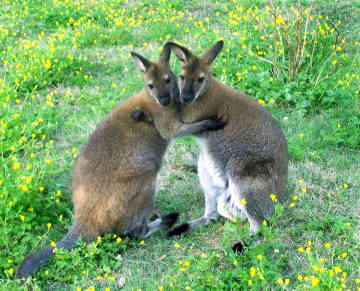
Wallaby, the kangaroo’s shorter, stouter relative, comes from woraba in the Dharug language spoken by Indigenous Australians living in the area that is now Sydney. Rumors that wallaby was used for the name of Warabi, a city in Saitama Prefecture, are totally unfounded.
Koala is another Dharug word to enter Japanese and means “one who doesn’t drink.” Koalas survive entirely on a diet of eucalyptus leaves and never need to consume water.
コアラも「飲まないもの」を意味するダルッグ語が由来だ。コアラが口にするのはユーカリの葉っぱのみ。生きるために水を飲む必要がない。
Finally, there’s another Indigenous Australia word of unknown origin in Japanese that keeps coming back – literally: boomerang, which of course refers to the weapon and tool, of which some versions return to the thrower after being hurled into the sky and is a uniquely Indigenous Australian gift to the world. Incidentally, Japanese astronaut Takao Doi confirmed in 2008 that boomerangs return in the weightlessness of space, just as they do on earth.
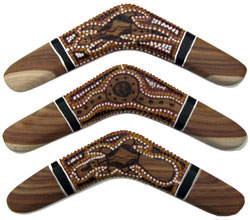
最後にもうひつ、語源は不明な豪州原住民語だが日本で使われ、いくらそれをなくそうと思っても必ず手元に帰ってくる、という言葉がある。それがブーメランだ。(言葉をなくそうという動きがあるわけではないがギャグのために、そのように表現した。失礼!)。先住民は、数種類のブーメランを武器や狩猟用の道具として使用した。その一部のブーメランが投げ方により投げた人のところに戻ってくる。先住民が世界中に贈ったユニークなものだ。ちなみに、2008年3月に日本人宇宙飛行士土井 隆雄氏は、無重力の宇宙環境の中でもブーメランを投げれば戻ってくることを確認した。
注意: 日英豪問わず、オーストラリア先住民をアボリジニと呼ぶことがほとんどだ。しかし、アボリジニには「土人」という意味があり、確かに未だに広く使われ、聞き馴染みがあるかも知れませんが、豊かな文化や伝統を持つ先住民に対して差別的な意味合いがあるので、考えRoo.comでは使いません。

Related posts:
- Aussie Jobs オージーの職種 Part III オージー英語には、職業の独特な呼び方もある。米・英語の普通の名詞に~y/ie音や~o音を付け加えたり、及び省略することによってユニークなオージー職業名も出来上がった。 ~その他の職業名詞例...
- 「やばいリンガル」 Flick (人と縁を切る) オージー英語はユニークな使い方がある場合が多い。たとえ他の国の英語では同じ言葉でもオージー英語の場合の意味が完全に違うこともある。Flickは、本来の英語ではflick(軽くたたくこと)という意味だが、オージー英語ではどうだろう?...
- Acrobatic Start to Relations まさにアクロバティックに始まった日豪関係 知られざる日豪関係のルーツ What You Didn’t Know about Australia-Japan Relations 日豪関係のルーツは、まさにアクロバティックに始まった。1867年に日本の曲芸団がオーストラリアを訪問した数年後(具体的な日付は不明。1871年という説もあれば、1874年という説もある)、Sakuragawa Rikinosukeという曲芸師がオーストラリア人女性と結婚して、豪州に移住した日本人として初めて記録された。 Japan-Australia relations started off by swinging into action – literally. First contact came in 1867 when a Japanese acrobatic troupe visited Down Under in 1867. A few years later (the exact date is unknown – some say 1871, others 1874), Rikinosuke...
- 「やばいリンガル」 Beauty (美) オージー英語って、多くの言葉がオーストラリア独特な使い方があって、ほかの国で話す英語と言葉が同じでも意味がまったく違うことがたまにある。ここでは、その例を数多く紹介します。今日は、Beautyの誤解について見てみます。...
- Strine in Practice – in Japan Here’s a native Strine speaker giving a news report from Japan. Mind you, his Strine is not broad, but of the more cultured variety. 彼はストライン(オージー英語)を母国語とする人であり、日本でのニュース報道を行っている。しかし、訛りはあまり強くなく、洗練されている。...
- Useful Links for Translators/日英翻訳者に役に立つサイト (Links open in new browser) Dictionaries and Search Engines辞書及び検索サイト Japanese Government Ministries and Agencies 政府省庁ェブサイト Public Organizations公的機構 Economic Organizations経済団体...
- ‘Single Men Only?’ – Early Japanese Migration to Oz 日本人の豪州への初期移民は「独身男性限定」? 知られざる日豪関係のルーツ What You Didn’t Know about Australia-Japan Relations Japanese immigration to Australia in the 19th century differed to other parts of the Japanese diaspora. 19世紀、豪州への日本人移民は他の国での日本人移住と比べて少々違っていた。...
- 「やばいリンガル」 Belt up (うるせー/黙れ!) たとえ、米英語で同じ言葉でも、オージー英語特有の使い方により全く違う意味になることがある。今日の例はbelt upだ。...
- コアラが「飲み屋」に侵入し、寝入る Koala invades bar, sleeps it off オーストラリア北部にあるマグネチック島のバーにコアラが入り込んで寝ちゃったことが先週末あったとメルボルンのエイジ紙が報道した。 バーテンダーのケビン・マーティン氏が雄コアラの行動に驚かされたという。 「コアラが「バー」にやってきたので身分証明書があるかと聞いたら、ご機嫌斜めになって天井まで登って寝た」とマーティン氏がいう。コアラは集客力があり、いつでも大歓迎との事だ。 コアラはレンジャーに保護され森に戻された。 詳しくはこちらへ(英語) A koala invaded a bar on Queensland’s Magnetic Island before promptly sleeping it off, according to the Melbourne Age on Thursday. Read the story here....
- ええ?日本語でオージー英語?What? Strine in Nihongo? ええ?オージー英語(豪語)の中では日本語もあるって?信じられない!でも、数少ないながら、本当にある。それに、同一意味や使い方の言葉もある!日本語とオージー英語の共通実例を紹介します。...
- Indigenous Aussies and Strine 先住民と豪語 Indigenous Australians have contributed richly to language on a global scale. This is especially through the names of creatures such as the kangaroo, koala, wombat, wallaby and dingo, all of which were originally Indigenous Australian words, but now used everywhere English is spoken, as well as being incorporated into other...
- Der/当り前なこと der Australian English A phrase used to belittle somebody who has stated the obvious. Most commonly used by children and teenagers. Similar to asking “Are you crazy?” or “Are you kidding?” after they say something preposterous. 日本語 当り前なこと、言う必要がなく明確なことを言われた時に対して相手を少し見下す表現だ。とは言え、軽い気持ちで言い、特に子供やティーンエージャーがよく使う。「バカじゃないの?」「狂ってんじゃないの?」をいう時と同じ感覚で使われている。 Plain English 1. Yeah, right. 2. Are you crazy? Are you kidding?...
- G’day g’day Australian English G’day is the typical Australian greeting, used at any time of the day or night upon meeting another person. It is arguably the most famous example of Australian English. G’day is an abbreviation of “good day,” an old form of greeting in all forms of English. 日本語...
- Striking a Light for Strine 「豪」にいれば「豪語」に従えって? Hugh Lunn, one of the most vocal advocates of Strine and arguably its greatest modern protector, is about to release Words Fail Me, a follow-up to his 2006 bestseller Lost for Words, which told the tale of disappearing Australian English, mainly due to American cultural influence on the mass media....
- Shark biscuit (bikkie)/新米のサーファー Shark biscuit (bikkie) Australian English Somebody new to surfing. Many sharks swim in the waters along Australian coastlines. Surfers who are unsure of themselves are in danger of becoming a meal for the sharks. Sometimes, bikkie is used instead of biscuit. 日本語 新米のサーファー。直訳すると「サメのビスケット」という意味。由来は、オーストラリア海岸沖にサメがたくさんいますので、サーフィンに経験が浅い人なら、食べられちゃう可能性がある。Biscuitの代わりにbikkieという時もある。 Plain English Shark bait Strine Dictionary...
- Sandgroper/西オーストラリア人 Sandgroper Australian English A native or resident of the state of Western Australia. A West Australian. A Westralian. The name comes from an insect that lives in the state, but has become the nickname of Western Australia’s inhabitants. Western Australia has a greater land area than any other state in...
- 「やばいリンガル」 Bag (バッグ) たまに、豪語(オーストラリ英語)はやばい!他の英語をしゃべる国と同じ言葉でも、まったく異なる意味の場合がある。...
- How do you say Skivvy in Japanese? 和風Wiggles It’s Jeff in Japanese…and Anthony. And Murray. And Sam. The Wiggles are Australia’s most successful entertainers, making AUD$45 million in 2009, according to Business Review Weekly....
- Gobful, give a・怒る gobful, give a Australian English To get verbally abusive or angry at somebody. “Gob” means “mouth.” In informal situations, the two words are interchangeable in Australian English. 日本語 怒る。言いつける。叱る。Gobは、mouthと同意味。気楽で話せる場面なら、豪語ではどっちらを使っても構わない。 Plain English 1. To admonish. 2. To give somebody a mouthful. Strine Dictionary...
- Lurk/いかがわしい職業 lurk Australian English A shady, occasionally illegal, benefit gained through a workplace. A scheme. 日本語 いかがわしい職業。 Plain English A shifty, underhanded scheme. Strine Dictionary...
- Nuddy/裸体 Australian English To be naked, or nude. The same state is also sometimes described as being “starkers.” 日本語 裸体。ヌード。裸。Starkersというオージー英語(豪語)もときどき使う。 Plain English Naked, nude, in a state of undress. Strine Dictionary...
- 「やばいリンガル」 Ace (エース) オージー英語って、多くの言葉がオーストラリア独特な使い方があってほかの国で話す英語と言葉が同じでも意味がまったく違うことがたまにある。ここでは、その例を数多く紹介します。、...
- 「やばいリンガル」 Bathers (水着) オージー英語って、多くの言葉がオーストラリア独特な使い方があって、ほかの国で話す英語と言葉が同じでも意味がまったく違うことがたまにある。ここでは、その例を数多く紹介します。今日は、水着の誤解について見てみます。...
- 「やばいリンガル」 Barrack (やじる) オージー英語って、多くの言葉がオーストラリア独特な使い方があって、ほかの国で話す英語と言葉が同じでも意味がまったく違うことがたまにある。ここでは、その例を数多く紹介します。今日は、Barrackの誤解について見てみます。...
- 「やばいリンガル」 Barbie (バービー) オージー英語って、多くの言葉がオーストラリア独特な使い方があって、ほかの国で話す英語と言葉が同じでも意味がまったく違うことがたまにある。ここでは、その例を数多く紹介します。今日は、Barbieの誤解について見てみます。...
- 「やばいリンガル」Battler (バトラー) オージー英語って、多くの言葉がオーストラリア独特な使い方があって、ほかの国で話す英語と言葉が同じでも意味がまったく違うことがたまにある。ここでは、その例を数多く紹介します。今日は、Battlerの誤解について見てみます。...
- 「やばいリンガル」Blue (ブルー) オーストラリア英語(豪語)ってやばいところがある。豪語で特有の言葉の使い方により、他の国で話す英語と同じ言葉でも全く違う意味になることもたまにある。今日は、Blueの場合を見てみよう。...
- 「やばいリンガル」 Cream (クリーム) 同じ言葉でもオージー英語の特有の使い方により、他の英語圏とまったく異なる意味になる場合がある。Creamがその典型的なひとつ。...
- 「やばいリンガル」 Crook (泥棒) オージー英語の独特な使い方により、他の英語国で使われている言葉がまったく同じも完全に意味が違ってくることもある。今日の言葉crookは、その例のひとつ。...
- 「やばいリンガル」 Clobber (折り返し叩くこと) オージー英語って、多くの言葉がオーストラリア独特な使い方があって、ほかの国で話す英語と言葉が同じでも意味がまったく違うことがたまにある。ここでは、その例を数多く紹介します。今日は、clobberの誤解について見てみます。...
- Larrikin/いたずらっ子 larrikin Australian English Somebody mischievous, who does not take life entirely seriously. Used more as a term of endearment as opposed to being critical. 日本語 いたずらっ子。呑気な人。気楽な人、生意気な人。Larrikinは、批判するより温かみを込めている言葉。 Plain English Prankster, trickster, cheeky. Strine Dictionary...
- Banana bender/クイーンズランド人。 Banana bender Australian English A Queenslander, a resident or native of the state of Queensland. The name derives from the large amount of tropic fruit production in the state, as well as being a gentle jibe at Queenslanders for the perception that they are “slow” because of the regional accent...
- Galah/アホ .galah Australian English A silly person or somebody who fools around. The term comes from a common pink bird closely related to the cockatoo and famous for its screeching calls and dances. 日本語 バカバカしいなことをやる人がこう呼ばれる。アホ。由来は、感高い鳴き声と踊りで有名なオウム科属鳥であるgalah(和名:モモイロインコ)のだ。 Plain English A goof, an idiot. Strine Dictionary...
- Corker/素晴らしい corker Australian English Something wonderful, frequently used when referring to the weather. 日本語 素晴らしいこと。特に良い天気に関して使う。 Plain English Awesome, great. Strine Dictionary...
- The Strine Why Atorkin: Natchrule Strine Read this in Plain English/プレーン英語で読む Read this in Japanese/日本語で読む Chrissie It was getting close to Chrissie, which prompted me to chuck a sickie. I was still in the nuddy, so I slipped on some grundies. I went to light up a durry, but I’d run out and had to have...
- Icy pole, ice block/アイス・キャンディ icy pole, ice block Australian English An icy pole is popsicle, iced candy or iced lolly, usually water-based, sweet and frozen. It is eaten on a stick. An ice block is the same thing, but also refers specifically to sweet drinks frozen in refrigerator ice containers. 日本語 Icy poleは、アイス・キャンディのこと。オーストラリアは、クッキーと一緒にアイス・キャンディの種類が豊富が、icy poleは甘い水っぽいものが棒に付けて凍らしたものを示す。Ice...
- Trackies/ジャージー Trackies Australian English A tracksuit. In some cases, trackies may refer only to the trousers part of a track suit, in which case they may also be called trackie daks. Also see: daks 日本語 ジャージー。トラックスーツ。時には、ズボンの部分だけを穿くことがある。この場合は、trackie daksという。Daks にも参照。 Plain English A tracksuit, leisurewear. Strine Dictionary...
- Japanese Government Ministries & Agencies/政府省庁ウェブサイト (links open to new browser) Japanese Government Ministries/政府省庁ェブサイト Prime Minister of Japan and His Cabinet 首相官邸 Ministry of Education, Culture, Sports, Science and Technology (MEXT) 文部科学省 Cabinet Office 内閣府 National Police Agency 警察庁 Ministry of Internal Affairs and Communications 総務省 Ministry of Defense 防衛省 Financial Services Agency 金融庁 Ministry of...
- Apples, she’ll be/大丈夫 apples, she’ll be Australian English A common phrase meaning “everything will be all right.” No problem. No worries. Safe and sound. 日本語 大丈夫。全然、心配いらない。ノープロブレム。 Plain English 1) No worries 2) No problem. Strine Dictionary...
- Big smoke/都会 big smoke Australian English A big city, especially Sydney or Melbourne, Australia’s two most populous cities. 日本語 都会。特にオーストラリアの最も人口が多い都市のシドニーとメルボルンに対して使われている。直訳すると「大きな煙」という意味。 Plain English A large city. Strine Dictionary...
- Earbashing/口うるさい earbashing Australian English To nag or talk incessantly. 日本語 口うるさい。口やかましい。ひっきりなしでしゃべる。べらべらでしゃべりまっくり。直訳すると「耳を大打撃する」という意味。 Plain English 1) Prattle on. 2) Jabber. 3) To persistently complain or criticize Strine Dictionary...
- Fair go/機会 fair go Australian English A chance or opportunity. Also occasionally used as a complaint from somebody seeking just treatment. 日本語 1) 機会。チャンス。 2) 公平な扱いを求めること。 Plain English 1) Chance. 2) Plea for just treatment. Strine Dictionary...
- Seppo Seppo Australian English An American. The word is abbreviated rhyming slang for “septic tank” and “Yank.” A septic tank is a place where human waste is stored after using the toilet. Septic tanks remain common in many parts of rural Australia. Seppo can be either derogatory or affectionate depending on...
- Yonks/長い間 Yonks Australian English A long period of time, ages....
- Barbie/バーベキュー Barbie Australian English A barbecue. The barbecue is an Australian tradition. It is customary to have a barbecue in the back garden, inviting friends, neighbors or relatives. The barbecue is generally regarded as important part of Australian culture. 日本語 バーベキュー。バーベキューは、オーストラリア人にとって大事な伝統行事のような行動だ。自分の家の裏庭に友達か近所の人や親戚を呼んでバーベキューをやるのは習慣みたいなものだ。バーベキューは、重要なオーストラリア文化のひとつとして見られている。 Plain English Barbecue. Strine Dictionary...
- Jocks/パンツ jocks Australian English Men’s or boys’ underpants, usually briefs. Also called undies. 日本語 男性または男の子のパンツのこと。普段は、ブリーフに関して使う。 Plain English Underpants, underwear, Jockeys. Strine Dictionary...
- Piffle/ナンセンスなこと Piffle Australian English Nonsense, usually used in a dismissive manner. It can also be used to refer to a trifling matter, or something of little consequence or worth. 日本語 1)ナンセンスなこと。普段、人を否定する時に言い返す言葉として使われている。 2)妙なこと。どうたことない。あまり関係ないことを示す。 Plain English 1) A dismissive statement along the lines of “No way!” 2) A meager, trifling matter. Strine Dictionary...
- Strine Dictionary A ace agro akker ankle biter ankle biter II apples apples, she’ll be arvo B bag banana bender barrack barbie barbie II barbie III barney bathers battler beauty belt up belt up II berko bewdy bikkie bikkieII bikie biggy big smoke big smoke II bikkie bingle bingle II bloke bloody...
- Agro/いらだち Agro Australian English To be angry, aggressive or aggravated, often after being provoked. It can also be used to describe a fight. 日本語 いらだち。腹が立てる。アグレッシブ。けんか。 Plain English 1) Aggressive, aggravated, angry, mad, frustrated. 2) A fight. Strine Dictionary...
- Akker/ニキビ akker acne, pimple Australian English An abbreviation of acne used to refer to facial pimples. 日本語 ニキビ。オデキ。 Plain English 1) Pimple 2) Zit 3) Acne Strine Dictionary...
- Ankle biter/ちびっ子 ankle biter Australian English A small child, especially a pre-school toddler, i.e. somebody only tall enough to be able to bite ankles. 日本語 ちびっ子、幼い子供。直訳すると「足首を噛む人」。由来は、小さくて、噛もうとすれば足首までぐらいしか背を伸べないという意味。 Plain English 1) Toddler 2) Pre-schooler 3) Kiddy Strine Dictionary...
- Bikkie/クッキー bikkie Australian English 1) This is the typical Australian term to describe a biscuit or cookie. 2) It is also used to refer to the amount of money a person earns in the form of salary or wages. 日本語 1) クッキー 2) 給料。サラリー。ギャラ。お金。 Plain English 1) Cookie 2) Money Strine...
- Bingle/事故 bingle Australian English A crash, especially in a vehicle. 日本語 事故。ほとんどの場合、車両が関わる事故を示す。 Plain English 1) A crash 2) An accident Strine Dictionary...
- Booze bus/飲酒運転検問 booze bus Australian English A surprise police roadblock to test drivers for alcohol consumption. The “bus” refers to the large vehicle police use at the roadblocks. Initial questioning of those who register a blood alohol content above the legal limit takes place within the bus. 日本語 警察の飲酒運転検問のこと。 Plain English Breathalyzer...
- Brekkie/朝食 brekkie Australian English The term for breakfast, the morning meal. 日本語 朝食。 Plain English Breakfast. Strine Dictionary...
- Chunder/反吐 chunder Australian English To vomit, throw up, regurgitate. Also called a “technicolor yawn,” or “driving the porcelain bus.” 日本語 反吐する。げろする。また、同意味としてtechnicolor yawn 「直訳:テクニカラーあくび」とdriving the porcelain bus「直:磁器製バスを運転する」使うこともある。 Plain English Throw up, heave. Strine Dictionary...
- Croweater/南オーストラリア州出身 croweater Australian English A native or resident of the state of South Australia. 日本語 南オーストラリア州出身及び定住者。直訳すると「烏を食べる人」という意味。由来は、現在の南オーストラリア州となっている地域の最初のヨーロッパ系住民が食料不足と戦い、生き残るために烏を食べたらしい。南オーストラリア州の州都はアデレード市であり、公園か色鮮やかな祭りやメルヘンっぽいビルが多く、とても綺麗な街並みで有名が、「教会の都市」との別名があり、一部では「つまらない」という悪評もある。ちなみに、今、南オーストラリア州では、烏を食べる人がいないと思うが、同州の人々がプライドをもって「自分がクローイーターだ」と言い張る。同州がドイツ系移民が始まったブドウ園からあの有名なオーストラリア・ワインの最も伝統が長い産地でもある。 Plain English A South Australian. Strine Dictionary...
- Dag/ダサイ dag Australian English 1) Dag can mean either a socially inept person, unfashionable; or, 2) It can be used in its original meaning to describe some dirty fleece dangling from the area around a sheep’s hind. 日本語 1) ダサイ、ファッション感覚が悪い人。 2) 羊のお尻辺りにぶら下げる汚い毛のこと。 Plain English 1) A goof, nerd, oddball. 2) Dirty,...
- Daks/ズボン daks Australian English When used in its noun form, daks refers to trousers, but as a verb, to “dak” someone means to pull down their trousers by surprise. 日本語 1) (名詞)ズボン 2) (動詞)いきなり人のズボンを下に引っ張ること。 Plain English 1) (n) Trousers. 2) (v) To suddenly pull down someone’s trousers. Strine Dictionary...
- Dinkum, dinky-di, fair dinkum/本物 dinkum, dinky-di, fair dinkum Australian English “Dinkum” (and its derivatives) are frequently used words to describe something genuine, true or honest. Dinkum is often cited as a symbolic example of Australian English. “Fair dinkum” can also be used as a non-offensive curse to express exasperation. Also see: ridgy-didge 日本語 1)...
- Dob/告げ口 dob Australian English To tell on someone, to tattletale. It is most commonly used among children. A “dobber” is somebody who “dobs,” or tells tales. 日本語 告げ口をいう。密告する。主に子供たちに間に使われているが、大人が使っても違和感をそれほど感じない。Dobをする人は、Dobberと呼ばれる。 Plain English 1) Tell-tale. 2) Snitch. 3) Tell on. Strine Dictionary...
- Esky/クーラーボックス esky Australian English An icebox, usually made out of reinforced plastic. Regarded by some as a typical Australian cultural icon because of its inevitable presence at such events as barbecues. 日本語 クーラーボックス。ピックニックやバーベキューなどのようなイベントに必ずと言っていいほど見えるなので、オーストラリアの文化的な象徴という人が少なくない。 Plain English An ice cooler. Strine Dictionary...
- Exy/高過ぎる exy Australian English An abbreviation of “expensive,” used when referring to the price of something. Sometimes, the synonym “pricey” is also used. 日本語 高過ぎる(物の値段・価格が高過ぎると思う場合に使う)。Expensiveの省略。 Plain English Expensive Strine Dictionary...
- Fairy floss/綿あめ fairy floss Australian English Fairy floss is the Australian term for cotton candy, with the name given because of the treat’s light, fluffy appearance. It is also sometimes used to describe a weak effort. 日本語 1) 綿あめ。 2) 弱い、努力不足。 直訳すると「妖精の綿毛」という意味。由来は、同あめが妖精のようにふわふわしている。 Plain English Cotton candy, candy floss Strine Dictionary...
- Fossick/くまなく探す fossick Australian English A term that originated during the Gold Rush of the 1850s that means to look for, search, or rummage. It was once used only to describe searching for gold, but now means seeking anything in a difficult to find place. 日本語 くまなく探す。検索する。探す。オーストラリアは、1850年代にゴールド・ラッシュがあり、fossickがその時に出てきて、「金を探す」という意味しかなかったが、現在に至るまで「見つかりにくい場所にどんなものでも探せる」という使いかたになった。 Plain English To seek, search...
- Grizzle/ぐずる grizzle Australian English To moan and complain unceasingly. This word is used mainly to describe the behavior of grumbling children, but can also be used about adults who complain without due reason. 日本語 めそめそする。ぐずる。泣き言をいう。この言葉は、主に小さい子がぐずぐずしている時に使われているけど、特に大きな理由がなく泣き言をいう大人に対して使っても違和感を感じさせないだろう。 Plain English To whine. Strine Dictionary...
- Heaps/たくさん heaps Australian English Lots, a large sum, degree or amount. Used especially often in conjunction with “thanks.” 日本語 たくさんのもの。特に感謝の気持ちを強調するためにthanksと一緒に使う場合が多い。 Plain English 1) A lot. 2) Very much. Strine Dictionary...
- Hoon/不良 hoon Australian English When used as a noun, hoon refers to a hooligan, or vulgar and often violent person. As a verb, to hoon means to act violently or threateningly, often while driving a car. 日本語 名詞としての使い方は、フーリガンか不良や下品な人を表す言葉。動詞の場合は、乱暴や威力のあるように振る舞い。 Plain English 1) (n) A hooligan, a hood, thug. 2) (v) To act...
- Hooroo/バイバイ hooroo Australian English A quaint way of saying goodbye. Sometimes, “toodleoo,” is used instead. Used mainly by older people, especially women. 日本語 グッドバイやバイバイのちょっと古い言い方。「さようなら」というより、「じゃね、後でね、またね」のような感覚で使う。時には、toddleooも使う場合があるが、いつ使うか決まりがないので、どちらでも使える。Hoorooは、未だによく使われているが、主に年配の方、特に女性、が中心となって使っている。 Plain English Goodbye, bye-bye. Strine Dictionary...
- Jackaroo, Jillaroo/オージー版カウボーイ jackaroo, jillaroo Australian English A jackaroo is a male worker training to become a manager on a large farm called a station in Australia. The jackaroo is Australia’s equivalent to a cowboy. A jillaroo is the name given to women who perform the same job. 日本語 Jackarooは、大きなステーション(大型牧場)で働く男。オーストラリア版カウボーイと言っていいと思う。Jillarooは、その女性版。ちなみに、ステーションクラスの牧場1件の面積は四国や九州以上となることが珍しくない(オーストラリア全体の面積が日本の面積より約26倍もあるよ!)。そのステーションの人口というと、数人から多くても数十人程度です。広くていいね! Plain English A...
- Kero/灯油 kero Australian English Kero is an abbreviation of kerosene, one of the most popular types of fuel used in Australia. 日本語 灯油。 Plain English Kerosene. Strine Dictionary...
- Kindie/幼稚園 kindie Australian English Kindie is an abbreviation for kindergarten. 日本語 幼稚園。 Plain English Kindergarten. Strine Dictionary...
- Knock/バカにする knock Australian English To criticize, complain, or hold in contempt or ridicule. 日本語 バカにする。文句を言う。批判する。 Plain English 1) Ridicule. 2) Disdain. 3) To tap or deal a blow. Strine Dictionary...
- Lucky Country, the lucky country, the Australian English Australia. The term was coined by historian Donald Horne in irony. He argued that Australia was lucky as it became a rich land only because of its natural resources instead of the cleverness or effort shown by other nations. Instead of being shocked by the...
- Lolly/お金 lolly Australian English Most commonly, lolly is the word used to describe candy or sweet. However, it can also be used as a synonym for money or earnings. 日本語 1) あめ。キャンディ。 2) お金。給料や資金。 Plain English 1) Candy 2) Money, cash, wages, costs or earnings. Strine Dictionary...
- Mate/友達 mate Australian English A friend or buddy, but also used in a friendly manner to address strangers or acquaintances. It can also be a term of exasperation or frustration when directed at others. 日本語 1)友達。友人。だち。仲間。仲良し。しかし、見知らぬ人に対して使っても珍しくない。 2) 時には、相手に対していらだちなどを感じて表せて使うこともある。 3) (英語での本来の意味は)交尾する。 Plain English 1) Buddy, friend, pal. 2) To procreate. Strine Dictionary...
- Mickey mouse/ミッキーマウス Mickey mouse Australian English Lax, frivolous, sloppy, not very good, poor quality. 日本語 中途半端、ルーズ、質が悪い、軽い、手が抜ける、適当。当然、あの同名のディズニー大スターがオーストラリアにも人気者だけど、なぜこのようなネガティブな意味になった理由が不明だ。 Plain English 1) Slack, lazy, lax, incompetent or inconsequential. 2) The megastar and symbol of the Walt Disney stable of companies. An American cultural icon. Strine Dictionary...
- The Strine Why Atorkin: 日本語 クリスマス このエントリーをプレーン英語で読む/Read in Plain Englishこのエントリーをオージー英語(豪語)で読む/Read in Strine クリスマスが近いから、仮病を使って仕事サボってずる休みしようかな。まだ、素っ裸だったからパンツを穿いた。タバコ吸おうと思ったけどいつものが切らしていたので、自分で巻くしかなかった。クッキーをつまんで、コーヒーを一杯、それが朝食。天気は最高だったから、かっぺの友達が 都会的なブリスベーンに遊びに来て俺と一緒にバーベキューやるかなと思った。...
- Narked/怒っている Australian English To be angry, irritated or annoyed. 日本語 いらだっている。腹が立てる。怒っている。 Plain English Angy, mad, annoyed, furious. Strine Dictionary...
- Ocker/オージー Australian English A loud-mouthed, drunken, swearing, uncouth, uncivilized and stereotypical Australian. Amazingly, despite the above description, the term can also be endearing at times, depending on the context in which it is used. Ockers live in Oz, another named used for Australia and an abbreviation of the country’s phonetic rendition....
- Offsider/アシスタント Offsider Australian English An assistant or a helper. It can also be used to describe a very close friend. 日本語 1) アシスタント。補助員。お手伝いする人。ヘルパー。 2) とても仲がいい友達のこと。 Plain English 1) A helper, assistant. 2) A very close friend. Strine Dictionary...
- Op shop/中古品店 Op shop Australian English A second-hand store where the proceeds of sales are often donated to charity. An abbreviation of “opportunity shop,” with the name coming from the chance its beneficiaries get to lead a regular lifestyle. 日本語 中古品店・リサイクル店のことが、ほとんどの場合、運営及び売上がチャリティーのために行っている。Op shopは、opportunity shopの省略だ。直訳すると「機会の店」だ。由来は、お店の売り上げによって、苦しんでいる人々が普通に生活できる「チャンス」が与えられる。 Plain English Thrift store. Strine Dictionary...
- Pash/ディープ・キス Pash Australian English A passionate kiss. The term is an abbreviation of “passionate.” Pash is both a noun and verb. 日本語 情熱なキス。情熱にキスをする。 Plain English 1) (n) A passionate kiss. 2) (v) To kiss passionately. Strine Dictionary...
- Perve/色目を使う Perve Australian English To leer, often with lecherous intent. At times among friends and depending on context, it can also mean simply to take a look. Perve can be used as a noun and a verb. Originally, perve was an abbreviation of pervert. 日本語 1)(名詞)色目を使う人。 2)(動詞)色目を使う。 もともと、perveは、pervert(変態)の省略だったので、今でも若干嫌らしい感じが残っているが、普通の会話に使っても違和感を与えるや勘違いを招くことはない。友達同士でいると、「見に行く」とか「見よう」という感覚で使う場面もかなりある。 Plain English 1)...
- Queen/女王様 Queen Australian English The Queen, referring to Britain’s Queen Elizabeth II. Australia became an independent country in 1901, but remains in the Commonwealth and Queen Elizabeth II is officially the country’s head of state. 日本語 女王様。厳密にいえば、イギリスのエリザベス2世のこと。オーストラリアは、元々イギリスのいくつかの植民地だった(今の州)が、1901年にこれらが連邦国となり、独立した。とはいえ、まだ英国連邦に加盟し、正式な国家元首が女王様だ(というか、イギリスで統治している国王がそうだけど、今はまだ女王だ)。 Plain English Queen Elizabeth Strine Dictionary...
- Ridgy-didge/本物 Ridgy-didge Australian English Something original, genuine, the honest truth. See also: dinkum, dinky-di, fair dinkum 日本語 本物。本格的。本当。誠実なもの。 Plain English Honest, genuine. Strine Dictionary...
- Rip-snorter, ripper/最高 Rip-snorter, ripper Australian English A superlative used to mean something is great, fantastic or wonderful. 日本語 最高や素晴らしいものまたはこと。気持ちを強調する表現。日本語の「立派」をそのままオージー英語(豪語)で使ってもおかしくない!ちなみに、rip-snorterとripperは、同意味であるが、rip-snorterのほうがさらに強調の気持ちを込める。 Plain English Awesome, brilliant. Strine Dictionary...
- Ropeable/激怒 Ropeable Australian English To be extremely angry, furious, outraged, enraged. 日本語 激怒する。非常に怒っている。立腹した。 Plain English Furious, outraged. Strine Dictionary...
- Shiela/女 Shiela Australian English This term for a woman is another famous example of Australian English. Though still used frequently, it is regarded as derogatory toward women and many people find the word offensive. It is a common insult to refer to a man as “acting like a shiela.” 日本語 女。Shielaは、未だによく使われていながら典型的オージー英語の例でもあるが、女性に対して軽蔑的な言葉と見られる人が多く、使用を侮辱的に受け取る方も少なくない。男性に対して「shielaのように振る舞わな!」をいうと完全に侮辱する。また、あまり使われていないが、日本語でも鱪という言葉があり、日豪共通言葉でもある。...
- Skerrick/本の少し Skerrick Australian English A small, trifling amount. 日本語 本の少しのもの。微妙の量。 Plain English An iota. An inch. A meager, tiny or slightest amount. Strine Dictionary...
- Spruik/カラス族 Spruik Australian English To advertise or promote a service or product. Somebody who does this is a spruiker. The name is also given to street-side touts who try to entice people into clubs, restaurants or other entertainment establishments. 日本語 1) 製品及びサービスを推薦・促進すること。この行為を行う人はspruikerと呼ばれる。 2) Spruikerは、バーかクラブやレストランなどをしつこく売り込む人に対して使われることもある。日本の繁華街などで集まる「カラス族」もオージー英語ではspruikerと呼ばれるはずだ。 Plain English To plug, tout, harangue or...
- Tucker/食事 Tucker Australian English Food, a meal. A school canteen in Australia is called a “tuckshop,” and a crate in which food is stored is called a “tuckerbox.” Australia’s arguably most legendary dog was one that sat on a tuckerbox in a small town called Gundagai in the state of New...
- Up yourself, up someone/自己評価が高過ぎる Up yourself, up someone Australian English To be up yourself means to have an over-inflated opinion of your own value. To get up someone, however, means to get angry at them, or to rebuke them. 日本語 Up yourselfは、自己評価が高過ぎるという意味。Get up someoneは、人に対して叱るまたは怒ること。 Plain English 1) Up yourself: Haughty, an over-inflated opinion of...
- Unco/不器用 Unco Australian English An abbreviated of uncoordinated, or to be clumsy. Usually used to tease after making a simple mistake during sports. 日本語 不器用に動くこと。動きが鈍い。非協調運動。主にスポーツでミスした人に対して使うからかう言葉だ。 Plain English Uncoordinated, clumsy Strine Dictionary...
- Veg out/ボーっとする Veg out Australian English To relax without thinking, to be in a “vegetative” state. 日本語 ボーっとする。無感覚状態。厳密に言えばveg outは、「植物のようになる」という意味だ。 Plain English Mindlessly. Relax without thinking. To be in a stupor. Strine Dictionary...
- Wag/サボる Wag Australian English To skip a class (usually school, but also college), play truant or hookey. 日本語 サボる。ずる休みをする。ほとんどの場合、学校に関してしか使わない。直訳すると、wagは、(尻尾を)「振ること」という意味。 Plain English To skip class, be a truant, or play hookey. Strine Dictionary...
- Wobbly/かんしゃくを起こす Wobbly Australian English To throw a temper tantrum. It can also be used to refer to a staggering drunk. 日本語 1. かんしゃくを起こす。 2. ふらふらで歩き回る酔っぱらっている人。 Plain English 1. A temper tantrum or hissy fit. 2. A drunk. Strine Dictionary...
- Yabber, yack/ベラベラしゃべる Yabber, yack Australian English To talk, usually used in the context of speaking excessively and without great meaning. To babble on. 日本語 ベラベラしゃべる。ほとんどの場合、「しゃべり過ぎ」や「意味のない片言ばかり」の話をする。 Plain English To babble, blabber or rave. Strine Dictionary...
- Dictionaries and Search Engines/辞書及び検索サイト Dictionaries and Search Engines 辞書及び検索サイト Accessible for Native English Speakers/NESにユーザー・フレンドリー・一般 Jim Breen’s WWWJDIC alc Denshi Jisho 和 英/英和辞典 – Japanese⇔English Dictionary Rikai Accessible for Native Japanese Speakers/NJSにユーザー・フレンドリー・一般 Yahoo! 辞書 Jamming Specialized/Law・専門・法律 法令用語日英標準 対訳辞書(pdf. file) 弁理士検索 Standard Bilingual Dictionary of Legal Terminology 法令翻訳データ(標準対 訳辞書対応) 日本法令英訳プロジェク ト Japanese Law Translation 裁判官検索 | 法律情報サイト e-hoki...
- Mystery bag/不思議な袋(ソーセージ) Mystery bag Australian English A sausage. The name comes from the unfounded rumor that sausages are made from scraps of meat and whatever other item can be found wherever they are made, thus making the actual ingredients a “mystery.” Sausages, which are dearly loved as staples of the barbecue, are...
Powered by YARPP.