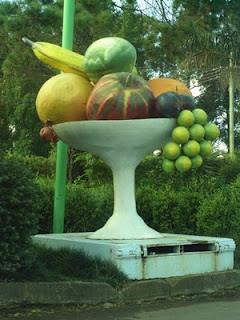
「果実の都」の象徴となるBig Fruit Bowl

The Big Fruit Bowl, Bilpin, NSW
 ニューサウスウェールズ州州都シドニーから車でおよそ1時間にあるビルピンは果物農家などが多く「果実の都」と呼ばれてもおかしくない。
 それらしく「Big Things」がビルピンのBig Fruit Bowlだ。ちなみに、このフルーツ・バウルが世界最大だそう。
 果物を中心にビルピンがちょっとしたB級観光地となっている。世界遺産であるグレーター・ブルー・マウンテンズ地域の中にあり、シドニー中心部からそれほど遠くない。
 Big Fruit Bowlは農家前にあり、御土産屋やその他の観光施設もある。ビルピンの多くの農家が「You Pick」制度であり、りんごを中心に様々なフルーツを訪問者が自分たちで狩って買うというしくみとなっている。
 

大きな地図で見る

Cop A Gander At These Rippers Too...

  • |

    Aussie ‘X’ Gender Passports Given the Wako Treatment in Japan

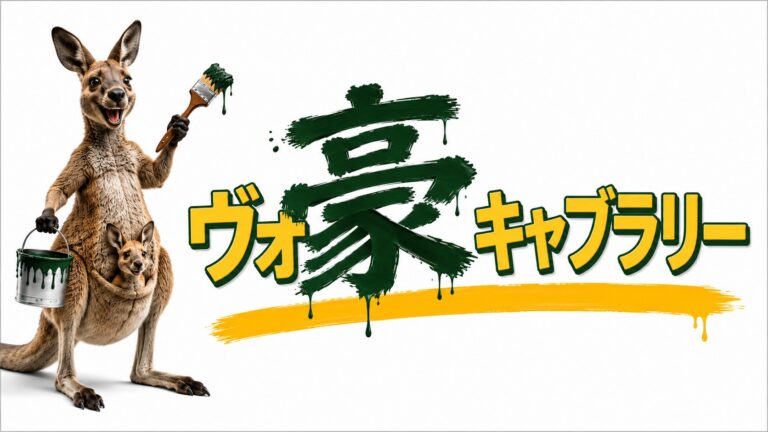
    Australia’s revolutionary passports have been given the Wako treatment in Japan. No, that’s not a spelling mistake (it’s pronounced Wah-Koh, not whacko), nor does it mean Down Under travel documents are being held up to ridicule. In fact, Wako University, a tertiary institution located in the outer Tokyo suburb of Machida, typically uses posters hung up in the carriages of capital area trains to provide a short lesson for commuters. The university’s current poster focuses on how Australia now deals with the issue of gender when it comes to issuing passports. The distinctive yellow posters, effectively an advertisement for the privately funded university, feature a kangaroo with joey and people…

  • |

    ‘You’re Not Taking the Kingswood’…But Japan Did for a Little While

    On this day 70 years ago, Australia launched a domestic automaking industry at Fishermen’s Bend in Melbourne to produce Holden cars. Not many outside Australia that the Great Southern Land once produced cars, and perhaps even fewer still are aware that Oz exported some models to Japan. These weren’t cars assembled in Australia and shipped to the world’s then second-largest car market (as would happen in the late 1980s and 1990s, notably with the Subaru Outback). They were cars made with the intent of attracting Japanese consumers. Ironically, one of the cars marketed was the Mazda Roadpacer, a car slightly adapted from an iconic Australian car, the Holden Kingswood. Holden…

  • Lucky Country, the

    lucky country, the Australian English Australia. The term was coined by historian Donald Horne in irony. He argued that Australia was lucky as it became a rich land only because of its natural resources instead of the cleverness or effort shown by other nations. Instead of being shocked by the term, Australians adopted “the Lucky Country” to use as a favorable synonym to describe their land. 日本語 オーストラリアのこと、ラッキーな国。もともと歴史学者ドナルド・ホーン氏が1964年に「ラッキーな国」を皮肉たっぷりに使った表現だ。同氏は、オーストラリアがほかの先進国と違って、知恵や努力で発展したではなく、資源豊富さだけで豊かとなって、とても「ラッキーな国だ」と言った。しかし、多くのオーストラリア人がホーンの本来の意味を無視、今一般に自国名をいい風に表現できる同義語として使うようになった。 Plain English Australia. Strine Dictionary

  • | |

    日本でのオージーボールが注目集まっている

    オーストラリアは自称「スポーツ大国」だ。日本ではオーストラリアでラグビーが最も盛んと思われるがちが、スポーツの中で圧倒的に人気あるのがオージーボールだ。オージーボールはオーストラリア独特なスポーツであり、ラグビーのようなボールを使い、ラグビー、バスケ、サッカーその他をごっちゃ混ぜたようなスポーツ。 VIDEO: Nine News – Tokyo Goannas  オージーボールは日本でもリーグがあり、選手の多くが日本人が東京ではオージーが中心となっているティームもあり、そのティームが昨日パースのニュース番組に取り上げられた。ビデオが以下の通り。 さらに東京ゴアナーズに知りたい方は以下のビデオもお勧め。 日本でのオージーボールについてさらに詳しく知りたい方はこちらへ。

  • |

    Japan and the ANZACs

    Japan is one of the many forgotten contributors to ANZAC Day, a day that has assumed legendary status in Australia and New Zealand. ANZAC Day commemorates the landing of Australian and New Zealand troops at Gallipoli on April 25, 1915. Thousands of young men would be cut down in their prime during the vain campaign that ended in an embarassing defeat at the hands of the Ottomon Empire forces, but Gallipoli has since become a hallowed reminder of people’s willingness to commit their lives for their country. The ANZACs, diggers from the Australia New Zealand Army Corps, are now almost deified in an Australia where nationalism has come into vogue…