「ワニに食べられないで学校へ行けるのが全ての子供の権利だ」

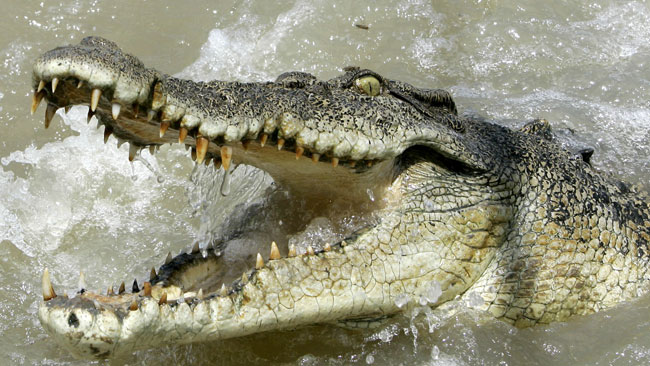
A crocodile similar to the one threatening children on their way to school in Wujal Wujal, QLD.
 クイーンズランド州北部ウジャルウジャルでは、老朽化した橋と洪水によってワニが通学路に近づくようになり、地域の子供たちが危ないだ、と豪news.com.auが2日付報道した。
 ウジャルウジャルは、人口約300人で住民のほとんどが先住民。
 通学するためブルームフィールド川を渡らなければならないが使う橋が老朽化した。州政府が新しい橋建設のために予算がとているが、お役所仕事で着工が遅くなり年末頃から始まる雨季に予定通り建てられそうも無い。橋の建設は具体的にできる時期が未だに決まっていない。
 そして、最近、町のバス停近くにワニが見かけれて、住民が通学する子供たちの安全を懸念している。
 「ワニに食べられないで学校へ行けるのが全ての子供の権利だ」とウジャルウジャル住民であるフランセス・ウォーカー氏がいう。
 下記のビデオはこのケースと別件だが、ケアンズからそれほど遠くないウジャルウジャルではこのようなことが多いらしい。
Crocodile fears for schoolkids as bridge delayed


大きな地図で見る
Cop A Gander At These Rippers Too...

  • Public Organizations/公的機構

    (Links open to new browser) Statistics Bureau 総務省統計局 National Diet Library 国立国会図書館 National Museum of Japanese History 国立歴史民俗博物館 The National Museum of Modern Art, Tokyo 東京国立近代美術館 The National Institute for Japanese Language 国立国語研究所 International Research Center for Japanese Studies 国際日本文化研究センター National Consumer Affairs Center of Japan 国民生活センター CLAIR (Council of Local Authorities for International Relations) 自治体国際化協会

  • |

    豪キャブラリー:Feral

    世界中の各英語ではFeralが特に「変わっている」言葉でもないけど、オージー英語での使いかったがほかの所と一味違う。  Feralは「野生的」と言う意味であり、ペットなど一時期飼育された動物が元の状態になって野生的となった時に使うのが普通だ。  しかし、オージー英語では、feralが本来の意味に加えてワイルドな人に対してよく使うようになった。軽蔑か侮辱するより、少し軽い感じがあり、自称feralの人も珍しくない。

  • | |

    Monkeying Around With Shared Kobe Steel(e)s

    Of the many commonalities shared by Australia and Japan, perhaps one of the quirkier ones is that both countries are home to a Kobe Steele known for monkeying around. Australia’s Kobe Steele founded the Orangutan Foundation International Australia (OFI Australia), and was awarded the Medal of the Order of Australia in 2021 for her services to conservation and the environment. Japan’s Kobe Steel Ltd., meanwhile, monkeyed around in a far less noble way, falsifying inspection and quality data on steel, aluminium and copper products for years, affecting hundreds of customers and resulting in billions of yen in fines after causing one of Japan’s most significant industrial quality scandals in recent…

  • | | |

    豪州ど真ん中にあるBig Galah

     Big Galahはオーストラリア独特なキッチュ「Big Things」の中ちょっとだけ特別な存在がある。  Big Galahは南オーストラリア州キンバ町というところに位置している。キンバ町はオーストラリアの東海岸と西海岸の大体間中辺りにあるので、ある意味この「Big Things」が国の本格的な中心部にある。  Big Galahはオウム科のモモイロインコの象徴だ。この鳥がよくキンバ町に集まり、同町が1993年にオブジェを建てた。「Halfway Across Australia」というお土産屋のまん前にあるBig Galahは高さ8メートル、広さ2.5メートルと重さ約2.3トンであり、巨大だ。  ちなみに、この鳥が(理由不明でありながら)重要なオージー言葉であり、galahを人に対して言うと「アホ」や「ドジ」だという意味。 Panorama of The Big Galah supplied by Panoramic Earth View Larger Map 関連記事 An Aussie Chrissie The Strine Why Atorkin: Natchrule Strine Galah/アホ 豪キャブラリー:Galah Strine Dictionary

  • | |

    Why Does Australia’s National Food Cost Less In Japan Than It Does At Home? 豪産でも誤算じゃないの?豪国民食は日本で買った方が安いのはおかしくない?

    Meat pies, Australia’s national dish, are cheaper in Japan (even though they’re made in Bairnsdale) than they are in Australia. オーストラリアの国民食であるミートパイが豪産にも関わらず日本で買っても安い。 Tim Tams, too, up with Aussie Beef as a symbolic food from Down Under, sell in Tokyo for a fraction of the price that Aussie consumers pay for the bikkies. お馴染みのオージービーフと並べてオーストラリアの代表的な食品であるティムタムも日本で買った方が安い。 I haven’t looked up the price of Australian beef, but I’d reckon there’s a good chance Japanese consumers have a world away are getting it cheaper than their Australian counterparts. オージービーフの値段を調べていないが、上記の傾向によって恐らく原産国が地球の半分ぐらい離れている日本の消費者がまたオーストラリアの消費者ほど払わないで食べられているかと推測しています。 This is happening because there is a duopoly controlling Australian supermarkets, according to The Australia Institute, a public policy think tank. The Institute argues that Coles and Woolworths (Colesworth!), the…