Why Does Australia Have So Many Japanese War Memorials?

なぜオーストラリアには日本人戦没者慰霊碑がこんなに多いのか?
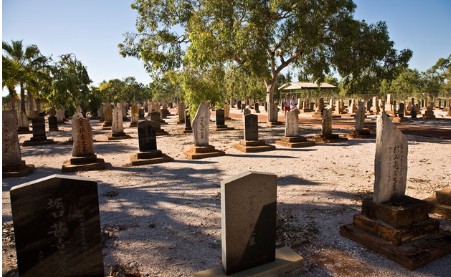
Most Australians know about the fierce fighting against Japan during the Second World War. Few realise that Australia is also home to dozens of memorials dedicated to Japanese people.

How can a country that fought such a bitter war also preserve monuments honouring former enemies? The answer lies not in politics, but in compassion, reconciliation and a shared belief that every life lost in war deserves to be remembered.

Over the past 80 years, Australians and Japanese have worked together to care for cemeteries, restore memorials and commemorate those who never returned home. These quiet places tell an important story about how former enemies became trusted friends.

第二次世界大戦で日本と激しく戦ったことは、多くのオーストラリア人が知っています。しかし、オーストラリア国内に数多くの日本人戦没者慰霊碑や墓地があることを知る人は、それほど多くありません。

かつて敵国だった日本人を、なぜオーストラリアが今も大切に弔っているのでしょうか。その答えは政治ではなく、思いやりと和解、そして戦争で命を失ったすべての人々を忘れないという共通の願いにあります。

戦後80年の間に、日本とオーストラリアは協力して墓地や慰霊碑を守り続けてきました。そこには、敵同士だった両国が信頼できる友人へと変わっていった歴史が静かに刻まれています。


More Than Prisoners of War

When people think of Japanese war graves in Australia, they often imagine prisoners of war who died in Australian camps. Some were. Others were merchant seamen, civilian internees or crew members lost when ships or aircraft reached Australian shores. Each has a different story. Together, they form one of the least-known chapters in Australia’s relationship with Japan.

捕虜だけではない

日本人戦没者と聞くと、多くの人は捕虜収容所で亡くなった兵士を思い浮かべます。しかし、それだけではありません。商船の乗組員や民間人、オーストラリア近海で命を落とした航空機や船舶の関係者など、さまざまな人々が眠っています。それぞれに異なる物語があり、それらを合わせると、日豪関係のあまり知られていない歴史が見えてきます。


A Different Kind of Memorial

Unlike military monuments celebrating victory, these memorials are places of remembrance.

Many were created through cooperation between Australian communities, returned service organisations, local councils and Japanese officials.

Their purpose is simple: to acknowledge lives lost and to encourage peace between nations.

勝利ではなく追悼のために

これらの慰霊碑は、勝利を祝うためのものではありません。

命を失った人々を悼み、平和への願いを未来へ伝える場所です。

その多くは、地域社会や退役軍人団体、自治体、日本政府などが協力して維持しています。


Next Time…

Where are Australia’s Japanese war memorials?

In Part 2, we travel across Australia to discover the surprising locations where Japanese memorials stand today—and the remarkable local communities that care for them.

次回予告

日本人戦没者慰霊碑は、オーストラリアのどこにあるのでしょうか。

第2回では、各地に残る慰霊碑と、それを守り続ける地域の人々を紹介します。

Did You Know?

Australia contains one of the largest collections of maintained Japanese war graves outside Japan.

豆知識

オーストラリアには、日本国外でも有数の規模を誇る日本人戦没者墓地・慰霊施設があります。


Sources

Cop A Gander At These Rippers Too...

  • |

    Australian Football’s Tokyo Area ‘Samurai’ Off to the World Cup

    Australia rarely makes the news in Japan, so it’s interesting to see it on the front page of the Asahi newspaper June 4 evening edition. The story is about Japan’s Aussie Rules team, the Samurais, who’ll be battling it out in the International Cup starting from June 8. Japan has a really small, but thriving, Australian Rules competition, with two leagues (including several all-Japanese teams), the Eastern League, centering on Tokyo and surrounding areas, and the Western League, comprising Osaka and Nagoya. Here’s an excerpt from the Asahi report: サッカー・ワールドカップ(W杯)大会が迫るなか、「世界で最も激しい」というフットボールの世界大会も8月に開かれる。それってラグビー? いえいえ、オーストラリアンフットボール。豪州では国技と言われる大人気のプロスポーツだ。5大会連続で出場する日本代表も、追い込みに入っている。 A translation: Just as the soccer World Cup is about to hit us, another football world championship — this one…

  • | |

    Pigging Out On Pie Face And ‘Ello Elton

    It was a bit of a landmark month as Aussie meet pies went on sale in central Tokyo as Pie Face opened a store in Shibuya, while down the road in Yokohama I got an unexpected chance to see Elton John live. The pies were tasty, but a bit pricey, yet my workmates humored me with a visit there to dine together as the restaurant is within short walking distance of our office. Elton, meanwhile, wasn’t someone I was overly keen on seeing, but I was pleased to get the chance. He was basically going through the motions, though, and didn’t really put on a dazzling display. Having received a…

  • Japanese long-term resident numbers double Down Under

    Japanese long-term residents in Australia doubled over the course of the Noughties, according to the recently released 2011 Australian Census. The number of Japanese speakers residing permanently in Australia grew from 1,002 to 2,032 from 2000 and 2010, representing a 102.8% change. The 2011 Census showed there were 21,507,730 people in Australia, of who 43,692 are Japanese speakers. The total population of Japanese speakers in Australia was made up of 59.1% females and 40.9% males. And only 204 speakers were involved in a same-sex couple. Popular suburbs for long-term Japanese residents of Down Under to live in were Chatswood (NSW), Melbourne (VIC), Southport (QLD), Adelaide (SA), South Perth (WA), Sandy…

  • |

    日本人が知っている豪先住民語

    Modern Japanese is filled with examples of borrowed words from foreign languages, which are known as gairaigo. “G’day” is probably widely known throughout Japan as a symbol of Australian English, but there are some even more uniquely Australian words that have also made their way into Japanese.  現代の日本語は、外国語を由来とする、いわゆる外来語が多く、オージー英語から来ている言葉もその例外ではない。日本では「グッダイ」が、オージー英語の典型的な例としてよくあげられるが、実際に日常生活の中でもオーストラリア先住民語が使われているという事実がある。

  • | |

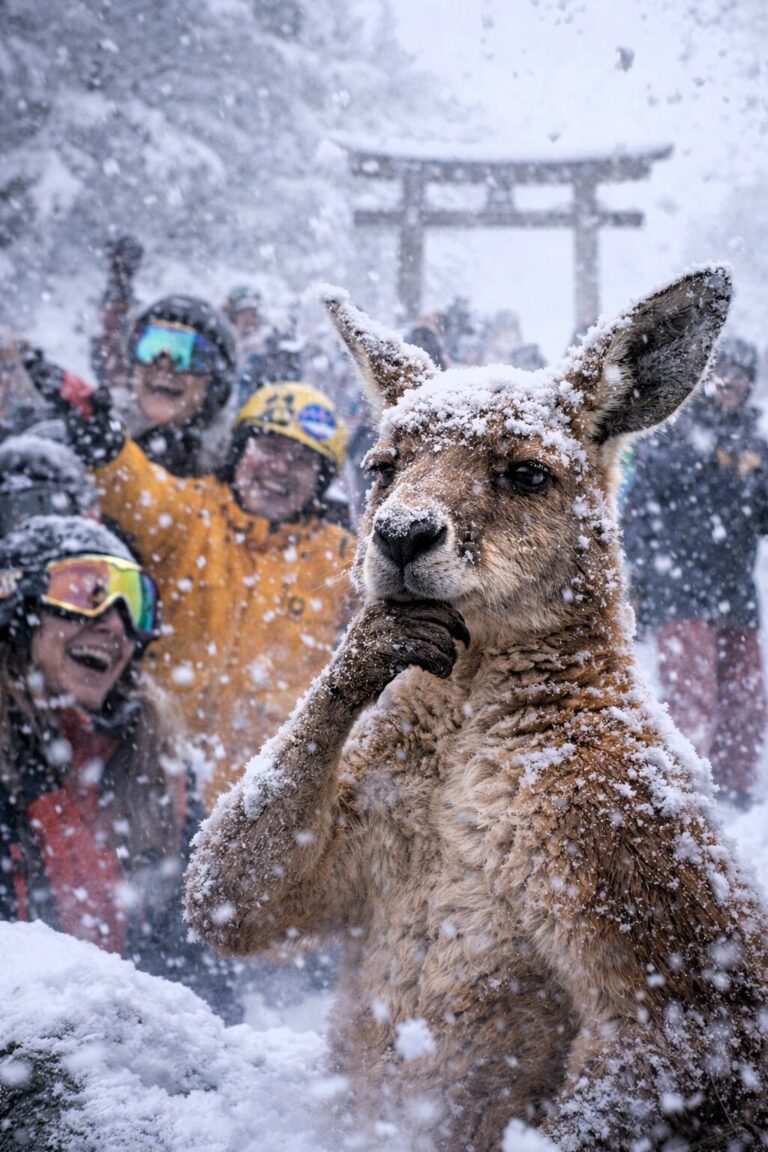
    How Did Australians Help Transform The Quiet Japanese Ski Town Of Niseko?

    オーストラリア人はどのように静かなスキーの町・ニセコを変えたのか? That began to change when Australian skiers started returning home with stories of dry, light snow, uncrowded slopes and a long ski season. Word spread quickly. Friends recommended Niseko to friends, ski clubs organised group trips, and specialist travel companies began offering packages to Hokkaido. In the early 1990s, Niseko was already known among Japanese skiers for its deep powder snow. Yet outside Japan, few people had heard of the small Hokkaido resort. But Australians did more than visit. Many chose to stay. 1990年代初め、ニセコは日本のスキーヤーにはすでによく知られた存在でした。しかし海外では、その名を知る人はほとんどいませんでした。 状況が変わり始めたのは、ニセコを訪れたオーストラリア人スキーヤーが、軽く乾いたパウダースノーや混雑の少ないゲレンデ、長いシーズンの魅力を帰国後に語り始めたことでした。 口コミによって評判は広がり、スキークラブがツアーを企画し、旅行会社も北海道へのスキー旅行を販売するようになりました。 しかし、多くのオーストラリア人は観光客として訪れるだけではありませんでした。 More Than Tourists As visitor numbers grew, Australians saw opportunities beyond skiing. Some opened cafés serving familiar breakfasts and good coffee. Others…