How Do Japanese Students Help Preserve Aussie Nature?

日本人留学生はどのようにオーストラリアの自然保護を手伝うのか?

Every autumn, groups of Japanese students trade classrooms for gum forests, beaches and wetlands. Their goal isn’t sightseeing. They’re helping protect Australia’s unique environment while discovering a different side of Aussie life.

毎年秋、多くの日本人留学生が教室を離れ、ユーカリの森や海岸、湿地で環境保全活動に参加しています。観光ではなく、オーストラリアの自然を守りながら、地域との新しい交流を育んでいるのです。


Learning Beyond the Classroom

教室の外で学ぶ

Many Japanese students come to Australia to improve their English.

Some discover that their most valuable lessons happen outdoors.

Working alongside local volunteers, they remove weeds, plant native trees and restore wildlife habitat.

教室の外で学ぶ

日本人留学生の多くは英語を学ぶためにオーストラリアへやって来ます。

しかし、本当に印象に残る学びは教室の外で待っていることもあります。

地域の人々と一緒に外来植物を取り除き、在来樹木を植え、野生動物のすみかを守っています。


Friends Through Conservation

自然保護が結ぶ友情

Conservation projects bring together people who might never otherwise meet.

Retired Aussies, school children, university students and overseas visitors all work towards the same goal.

Conversation comes naturally when everyone has a shovel in hand.

自然保護が結ぶ友情

環境保全活動には、普段出会うことのない人々が集まります。

退職後の地域住民、子どもたち、大学生、そして海外からの留学生。

スコップを持って汗を流すうちに、自然と会話も弾みます。


Giving Something Back

「お世話になった国」への恩返し

Many students describe volunteering as a way of thanking Australia for the opportunity to study here.

The environment benefits.

So do local communities.

「お世話になった国」への恩返し

多くの留学生は、ボランティア活動を「留学生活への恩返し」と考えています。

自然が守られるだけでなく、地域とのつながりも深まります。


An Unknown Nichigo Story

「知られざる日豪交流」の物語

Environmental volunteering rarely makes the news.

Yet every year, hundreds of Japanese students quietly help protect Australia’s natural heritage.

Their contribution leaves footprints far lighter than those of most tourists.

「知られざる日豪交流」の物語

環境ボランティアがニュースになることは、ほとんどありません。

それでも毎年、多くの日本人留学生が静かにオーストラリアの自然を守っています。

観光だけでは残せない足跡を、彼らは地域に残しているのです。


Did You Know?

Japanese university study-abroad programmes regularly include environmental volunteering with local councils, Landcare groups and conservation organisations.

豆知識

日本の大学による留学プログラムでは、ランドケア団体や地方自治体と連携した環境保全活動が行われることがあります。

Sources
Cop A Gander At These Rippers Too...

  • |

    Aussie ‘X’ Gender Passports Given the Wako Treatment in Japan

    Australia’s revolutionary passports have been given the Wako treatment in Japan. No, that’s not a spelling mistake (it’s pronounced Wah-Koh, not whacko), nor does it mean Down Under travel documents are being held up to ridicule. In fact, Wako University, a tertiary institution located in the outer Tokyo suburb of Machida, typically uses posters hung up in the carriages of capital area trains to provide a short lesson for commuters. The university’s current poster focuses on how Australia now deals with the issue of gender when it comes to issuing passports. The distinctive yellow posters, effectively an advertisement for the privately funded university, feature a kangaroo with joey and people…

  • |

    Sheer Nonsense? No, Shear Delight!

    Australia hasn’t really had much of an impact on Japanese culture over the years, but there is one case that inspires sheer delight….or perhaps that should be “shear?” For Japanese of a certain age, 調子をそろえて、クリック、クリック、クリック (Choshi wo soroete kurikku, kurikku, kurikku, is a highly familiar song picked up in an early season of Minna no Uta, a radio and TV program broadcast by NHK since 1961 to introduce new tunes to the Japanese public. The song is known in English as Click Go the Shears and Peggy Hayama, who sang the Japanese version of the song with lyrics written by Takashi Otowa, would retain a lifelong connection with Australia because…

  • | |

    オーストラリア最大恐竜がエロマンガに

     オーストラリアの最大恐竜がエロマンガにあった。  本当。  下品なことを考えってんじゃねぇよ!エロマンガはオーストラリア先住民の言葉で「風がよく吹く平野」という意味だそう。  エロマンガは、北部クイーンズランド州にある小さな村です。石油とオパール鉱業が中心となっている人口約40人の村である。  1990年代までエロマンガ有名なことはオーストラリア内で海から最も遠く離れている町ということだった。(今でもそうと主張しているが、そうじゃないという人もいます。)  いずれにせよ、クイーンズランド州都ブリスベーンから約1,000キロ西の方に置かれている。  1994年にチャリ乗りの少年が化石を見つけて、以降次から次へ恐竜の化石が発見された。  2007年にみつかった化石が今までオーストラリアで最も大きいな恐竜のものだった。  その恐竜がティタノザウルス類の一種であり、エロマンんがの恐竜がクーパーと名付けられた。  しかし、名前は名前なので、当然にエロマンガという村が日本に注目を浴びた。  数多くの日本のエロ漫画や普通の漫画もエロマンガの話が出ています。  その中は「ニニンがシノブ伝」、「サムライフラメンコ」というまでもなくオーストラリアで児童ポルノとして禁じられている「エロマンガ先生」がある。  今、エロマンガに恐竜研究が励んでいる。  2017年に開館したエロマンガ自然博物館が運営しているが、コロナ禍で苦しんでいるだろう。  それでも、間違いなくエロマンガがオーストラリア恐竜研究・跡地の最前線にひとつということはまちがいない。  これからもエロマンガにますます期待できるだろう。      

  • | |

    The Tragic Tale Of A Japanese-Australian Wallaby Who Became A Symbol Of Mateship

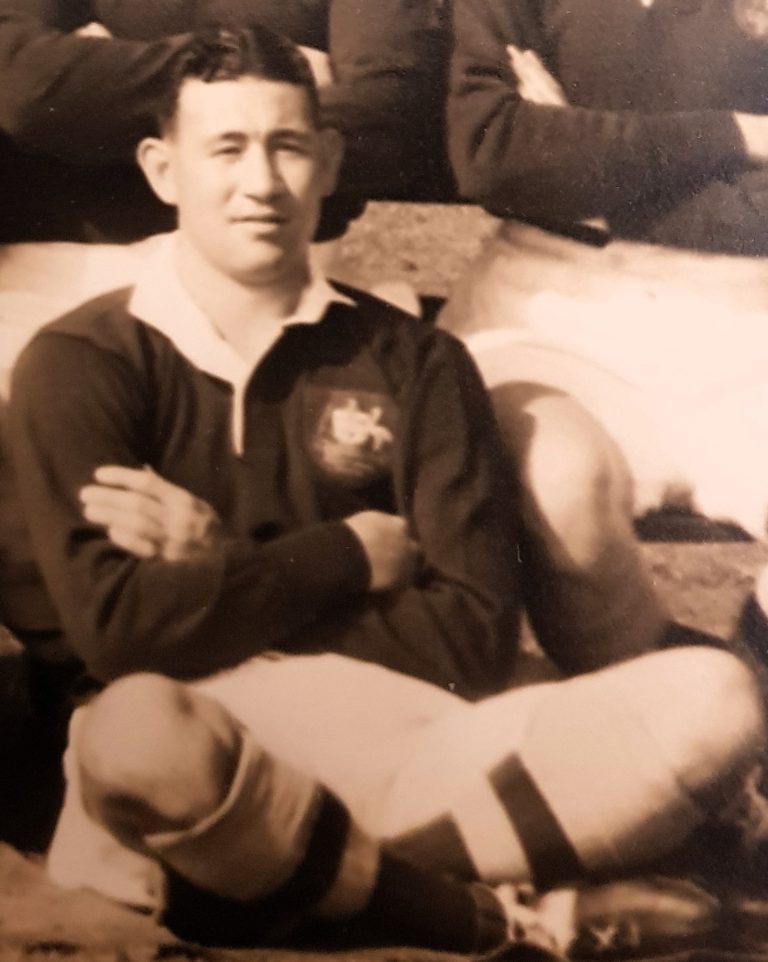
    なぜ日系オーストラリア人のワラビーズ選手は「仲間」の象徴になったのでしょうか? A Wallaby Called “Blow” 「ブロー」と呼ばれたワラビー Winston Phillip James Ide was born in Sydney in 1914 to an Australian mother, Clara, and Japanese-born father Henry Hideichiro Ide. Nicknamed “Blow” as a child, he became a talented rugby player, representing New South Wales and Queensland before playing two Tests for Australia against the All Blacks in 1938. ウィンストン・フィリップ・ジェームズ・イデは1914年、シドニーでオーストラリア人の母クララと日本生まれの父ヘンリー・ハイデイチロウの間に生まれました。幼いころの癖から「ブロー」と呼ばれ、ラグビー選手として頭角を現し、1938年にはオールブラックス戦2試合でオーストラリア代表としてプレーしました。 From rugby field to battlefield ラグビー場から戦場へ Ide was selected for the 1939 Wallabies tour of Britain. The team had just reached England when war broke out in Europe. The tour was abandoned and the players returned home. Ide then enlisted in the Second Australian Imperial Force and joined the 2/10th Field Regiment. イデは1939年のワラビーズ英国遠征メンバーにも選ばれました。しかし一行が英国に到着した直後、ヨーロッパで戦争が始まり、遠征は中止されます。帰国したイデは第二オーストラリア帝国軍に入隊し、第2/10野戦連隊に所属しました。…

  • |

    「ラスト豪先住民言語スピーカー」は日本人だった

    国立国語研究所学者角田太作氏は、日豪関係に対して長年に渡ってとてもユニークな貢献をしてきている。  同氏は、オーストラリア先住民であるウォロンゴ族が使っていたウォロンゴ語が話せる世界中で唯一の人である。幸いに、同氏は言語学者であり、ウォロンゴ語の辞書を作り、ウォロンゴ族の人々にその言葉を必死に教えようとしている。  最近、オーストラリア全国及びアジア・太平洋地域に向けて放送しているラジオ局ラジオ・オーストラリアが角田氏をインタービューし、ウォロンゴ語の例も話し中に出ている。  角田氏に脱帽します。 Japanese linguist helps revive an Aboriginal language (English) 角田氏のインタービュー(英語)