Why Do Japanese Volunteers Clean Aussie Parks?
なぜ日本人ボランティアはオージーの公園を掃除するのか?
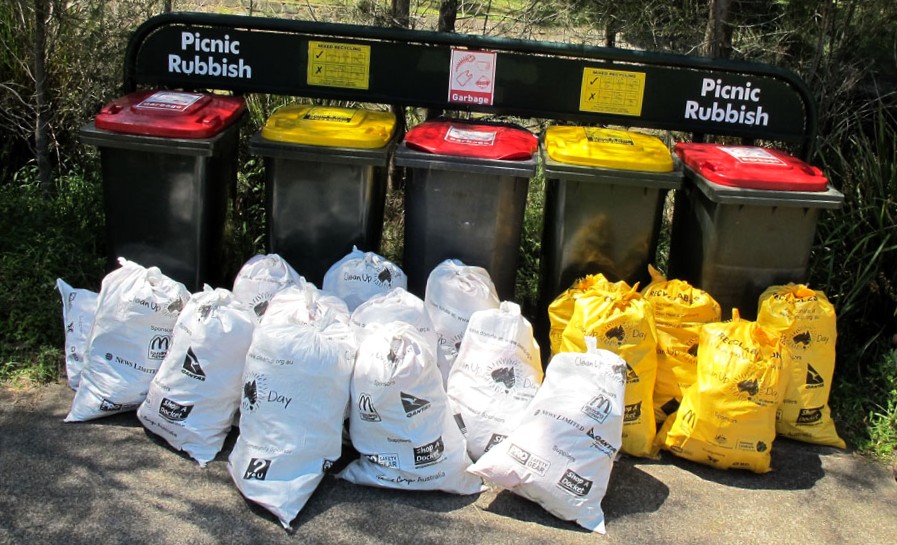
Every March, while thousands of Aussies join Clean Up Australia Day, another familiar group quietly rolls up its sleeves. Across Sydney, Japanese volunteers have been helping clean parks and bushland for nearly two decades. It’s a small act that says a great deal about friendship.
毎年3月、オーストラリア最大級の環境ボランティア活動「クリーンアップ・オーストラリア」に、多くの日本人も参加しています。約20年にわたり続くその活動は、小さなごみ拾いを通して日豪の友情を育んできました。
An Early Sunday Tradition
日曜日の恒例行事
For many members of Sydney’s Japanese community, the first Sunday in March has become a tradition.
Families, students, businesspeople and retirees gather with gloves and rubbish bags before spending the morning cleaning local parks.
The work lasts only a few hours.
The friendships last much longer.
日曜日の恒例行事
シドニーの日本人コミュニティでは、3月最初の日曜日が恒例行事になっています。
家族連れや学生、会社員、シニアまで、多くの人が軍手とごみ袋を手に集まり、公園や周辺の清掃活動を行います。
活動は数時間ですが、そこで生まれる交流は長く続きます。
Looking After Someone Else’s Home
「誰かの国」を自分の町として
Many participants weren’t born in Australia.
Some are working here.
Others are studying or raising families.
Yet they choose to care for the parks, walking tracks and picnic areas used by everyone.
It’s a quiet way of saying, “Thank you for welcoming us.”
「誰かの国」を自分の町として
参加者の多くはオーストラリア生まれではありません。
仕事や留学、子育てのために暮らす人たちです。
それでも、公園や遊歩道、バーベキューエリアを自分たちの町として大切にしています。
その姿は、「迎えてくれてありがとう」という感謝の気持ちにも見えます。
Side by Side
肩を並べて
One of the most remarkable things about these clean-up days is that nobody asks where you’re from.
Aussies and Japanese simply work together.
Children fill small rubbish bags.
Adults haul away larger items.
By lunchtime, strangers have become friends.
肩を並べて
この活動で印象的なのは、誰も国籍を気にしないことです。
オージーも日本人も、一緒にごみを拾います。
子どもたちは小さなごみ袋を持ち、大人は重い廃棄物を運びます。
昼頃には、初対面だった人同士が笑顔で話しています。
A Tradition That Keeps Growing
広がり続ける活動
The Japanese Society of Sydney and the Japan Club of Sydney have supported Clean Up Australia activities for many years.
What began as a community event has become an annual opportunity to strengthen ties with local neighbourhoods.
Each year brings new volunteers.
Many return again and again.
広がり続ける活動
シドニー日本人会とシドニー日本クラブは、長年にわたりクリーンアップ・オーストラリアに参加してきました。
地域活動として始まったこの取り組みは、地元コミュニティとの交流を深める恒例行事となっています。
毎年新しい参加者が加わり、多くの人が翌年も戻ってきます。
More Than Picking Up Rubbish
ごみ拾い以上の価値
It’s easy to measure the number of bags collected.
What’s much harder to measure is the trust these mornings create.
Local residents see Japanese families giving something back.
Japanese participants discover that volunteering is one of the easiest ways to become part of Australian community life.
ごみ拾い以上の価値
集めたごみ袋の数は数えられます。
しかし、この活動が生み出す信頼は数字では測れません。
地域の人々は、日本人が町のために行動する姿を目にします。
一方、日本人参加者は、ボランティアが地域社会への第一歩になることを実感します。
An Unknown Nichigo Story
「知られざる日豪交流」の物語
No treaties are signed during Clean Up Australia Day.
No speeches make international headlines.
Yet year after year, ordinary Japanese volunteers quietly strengthen the friendship between Australia and Japan.
Sometimes, the strongest international relationships begin with something as simple as picking up someone else’s rubbish.
「知られざる日豪交流」の物語
クリーンアップ・オーストラリアの日に、条約が結ばれることはありません。
世界的なニュースになる演説もありません。
それでも、日本人ボランティアは毎年、静かに日豪の友情を育てています。
国と国との信頼は、ときに一つのごみを拾うことから始まるのかもしれません。
Did You Know?
For almost twenty years, Sydney’s Japanese community has regularly joined Clean Up Australia Day, with families, schools, community organisations and local clubs working alongside their Aussie neighbours.
豆知識
シドニーの日本人コミュニティは約20年にわたり、クリーンアップ・オーストラリアに参加しています。家族や学校、地域団体がオージーの人々と一緒に町をきれいにしてきました。