Why Do Japanese Baseball Teams Train in Australia?

なぜ日本のプロ野球チームはオーストラリアでキャンプを行うのか?
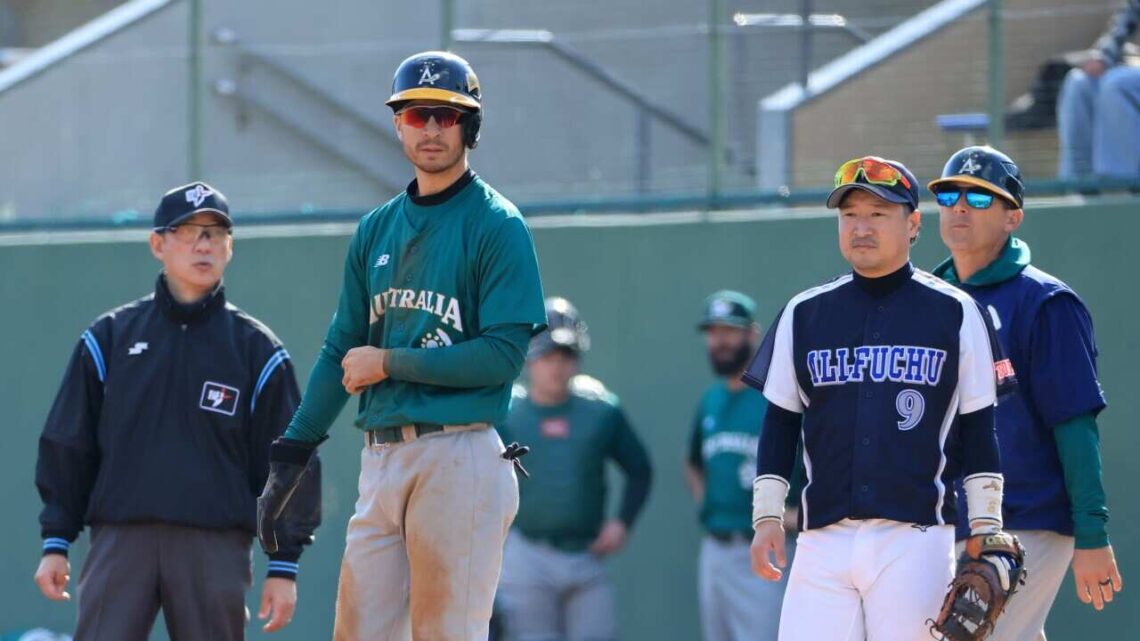
Every February and March, Japanese professional baseball teams head south instead of north. Why? The answer isn’t simply sunshine. Behind Australia’s growing role in Japanese baseball lies a story of friendship, trust and a shared love of the game.

毎年2月から3月にかけて、日本のプロ野球チームは北ではなく南へ向かいます。その理由は、暖かい気候だけではありません。オーストラリアでのキャンプには、野球を通じて育まれた日豪の友情と信頼の物語があります。


More Than Sunshine

暖かさだけではない

When winter grips Japan, Australia is enjoying late summer.

That makes it an ideal place for pre-season training.

But sunshine alone doesn’t explain why Japanese teams keep returning.

They come because Australia offers first-class facilities, quality opposition and communities that welcome them year after year.

暖かさだけではない

日本が冬を迎える頃、オーストラリアは夏の終わりです。

そのため、春季キャンプには最適な環境となります。

しかし、日本の球団が何度も訪れる理由は気候だけではありません。

充実した施設、実戦相手、そして温かく迎えてくれる地域の人々がいるからです。


Building Baseball Friendships

野球がつないだ友情

Training camps create more than fit players.

They create friendships.

Local volunteers, junior players and baseball clubs often help host Japanese teams.

Children watch professional players train only metres away, while visiting athletes experience everyday Aussie hospitality.

野球がつないだ友情

キャンプで育まれるのは選手の体力だけではありません。

人と人との交流も生まれます。

地域の野球クラブやボランティアが日本のチームを支え、子どもたちは目の前でプロ選手の練習を見ることができます。

訪れた選手たちは、オージーならではの温かい歓迎に触れるのです。


Learning From Each Other

お互いに学び合う

Australian baseball has long admired Japan’s discipline and technical excellence.

Japanese teams, in turn, appreciate Australia’s relaxed training environment and competitive local talent.

The exchange benefits both countries.

Knowledge travels in both directions.

お互いに学び合う

オーストラリアの野球界は、日本の高い技術力や緻密な練習方法から多くを学んできました。

一方、日本のチームも、開放的な練習環境や実戦経験豊富なオージー選手との交流を高く評価しています。

学びは、一方通行ではありません。


A Growing Partnership

広がる野球交流

Australia is no longer simply a convenient place to train.

It has become an important partner in Japanese baseball’s international outlook.

Exhibition games, coaching exchanges and youth development programmes continue to strengthen ties between the two baseball communities.

広がる野球交流

オーストラリアは、単なるキャンプ地ではなくなりました。

今では、日本野球の国際的な活動を支える大切なパートナーとなっています。

親善試合や指導者交流、ジュニア育成などを通じて、両国のつながりはさらに深まっています。


A Win Beyond the Scoreboard

スコアでは測れない勝利

Fans usually remember the season that follows spring training.

Local communities remember something different.

They remember the conversations, the smiles, the school visits and the friendships.

Those moments last far longer than any exhibition game.

スコアでは測れない勝利

ファンはキャンプ後のシーズン成績を覚えているかもしれません。

しかし、地域の人々の記憶に残るのは別のことです。

選手との会話、笑顔、学校訪問、そして新しい友情。

それらは試合結果よりも長く心に残ります。


More Than Baseball

野球を超えた物語

The relationship between Japanese baseball and Australia reflects the broader friendship between the two countries.

Built slowly.

Strengthened through trust.

Sustained by people who simply enjoy working together.

Perhaps that is why Australian training camps have become such a valued tradition for Japanese baseball.

野球を超えた物語

日本野球とオーストラリアの交流は、そのまま日豪関係を映し出しています。

長い時間をかけて築かれ、

信頼によって育まれ、

人と人との交流によって続いてきました。

だからこそ、オーストラリアでのキャンプは、日本野球にとって大切な伝統となっているのです。


Did You Know?

Several Nippon Professional Baseball clubs have held spring training camps or exhibition programmes in Australia, helping introduce Japanese baseball to new generations of Aussie fans.

豆知識

これまで複数の日本プロ野球球団がオーストラリアで春季キャンプや親善試合を実施し、多くのオージーが日本野球に親しむきっかけとなっています。


Sources
Cop A Gander At These Rippers Too...

  • | |

    Did Japan Inspire Australia to Choose National Living Treasures?

    日本の「人間国宝」はオーストラリアの「リビング・トレジャーズ」に影響を与えたのか? Australia’s National Living Treasures celebrate remarkable Australians. Japan’s Living National Treasures protect traditional masters. The two honours are different—but they may be connected by an idea that travelled across the Pacific. オーストラリアの「ナショナル・リビング・トレジャーズ」は優れた人物をたたえる制度です。一方、日本の「人間国宝」は伝統技術の継承者を守る制度です。両者は異なりますが、その背景には海を越えて受け継がれた一つの考え方がありました。 Japan Had the Idea First 最初に制度を作ったのは日本 After the Second World War, Japan faced an urgent question. How could traditional arts survive in a rapidly modernising society? The answer was to recognise exceptional craftspeople and performers as Living National Treasures, helping preserve skills that might otherwise disappear. 最初に制度を作ったのは日本 戦後の日本は、急速な近代化の中で伝統文化をどう守るかという課題に直面しました。 そこで生まれたのが「人間国宝」の制度です。 卓越した技術を持つ職人や芸能家を顕彰し、その技を未来へ伝える仕組みとなりました。 Australia Took a Different Path オーストラリアは独自の形へ When Australia’s National Trust introduced its National Living Treasures in 1997, the goal was different. Instead of recognising only traditional artists,…

  • |

    Why Do Aussies Talk About “The Trots?”

    What Does “The Trots” Mean in Aussie English? Aussieが「The Trots」と言うのはどういう意味? “Sorry, mate. I can’t come into work today.” “What’s up?” “I’ve got the trots.” Almost no Aussie hearing that conversation would assume the speaker had been watching horse racing. Although “the trots” can refer to harness racing, in everyday conversation it almost always means something much less enjoyable…Diarrhoea. Like so many Strine expressions, it’s a humorous way of talking about an unpleasant subject. 「今日は会社を休みます。」 「どうしたの?」 「I’ve got the trots.」 もしAussieがこの会話を聞いたら、ほとんどの人は「お腹をこわしたんだな」と思うでしょう。もちろん、”the trots” には競馬の一種である「ハーネスレース(繋駕速歩競走)」という意味もあります。しかし、日常会話では圧倒的に、「下痢」を意味することが多い表現です。 少し遠回しに、そして少しユーモラスに体調を伝えられるのが、Aussieらしいところです。 Expression The trots Pronunciation /ðə trɒts/ Meaning ① 下痢 日常会話では、この意味で使われることがほとんどです。”I’m sorry, I’ve got the trots.”と言えば、「ごめん、お腹をこわしちゃった。」という意味になります。 ② ハーネスレース(繋駕速歩競走) 馬が小型の二輪車(サルキー)を引いて走る競技。競馬好きのAussieなら、”I’m going to the trots tonight.”と言えば、「今夜はハーネスレースを見に行く。」という意味になります。 ③ 運・ツキ 昔のAussie英語では、”a good…

  • | |

    What Happened When Japan Took On The Melbourne Cup?

    日本馬がメルボルンカップに挑んだら、何が起きた? The Melbourne Cup has always attracted horses from overseas, but Japan’s relationship with Flemington is an unusually dramatic one. Japan’s first Japanese-trained runner appeared only in 2005. A year later, two Japanese horses finished first and second. Then a disease outbreak and Australia’s quarantine rules effectively shut the door for several years. When Japanese runners eventually returned, there were heartbreaks, near misses and one extraordinary second place. And now, 20 years after Japan’s greatest Melbourne Cup triumph, another Japanese stayer is coming to Melbourne. メルボルンカップには昔から海外馬が参戦してきましたが、日本との関係はかなりドラマチックです。日本調教馬が初めて出走したのは2005年。その翌年には日本馬が1着と2着を独占しました。ところが、その直後に馬インフルエンザが発生し、オーストラリアの厳しい検疫措置によって日本馬の参戦は事実上ストップ。その後も再挑戦、悲劇、そして惜しい2着が続きました。 そして2026年。日本のメルボルンカップ初制覇から20年、また1頭の日本馬がフレミントンへ向かおうとしています。 The first Japanese challenger 最初の日本馬 Japan’s first Japanese-trained Melbourne Cup runner was Eye Popper (アイポッパー) in 2005. He arrived in Australia having already…

  • |

    How Australian Plants Found A Home At A Century-Old Japanese Nursery

    日本の老舗園芸店が育てるオージープランツの魅力 Japan’s love affair with Australian plants is growing, and one of the nurseries helping it flourish is 沼ノ上農園 (Numanoue Nouen) in Minami-Urawa, Saitama. We visited the nursery’s pop-up shop earlier today at Urawa PARCO, where we met Jun-san, the flower shop owner’s son, and Ryota-san and discovered more about their enthusiasm for Australia’s distinctive botanical treasures. Established in 1912, 沼ノ上農園 has spent more than a century serving local gardeners. Today, alongside seasonal flowers and houseplants, it has developed a particular interest in オージープランツ (Oji Plants), the Japanese gardening term for Australian native plants. Banksias, grevilleas and kangaroo paws offer something different from the familiar flowers of Japanese gardens. Their…

  • |

    Tokyo’s Strange Socceroos

    Japan has a strange affinity when it comes to using Australian animals for its advertising. A number of major Japanese corporations use koalas and roos to plug their products and services. One with a difference is Hayashi Corporation, a construction company with a history of over 100 years and based in suburban Tokyo. Hayashi Corporation’s Fuchu branch office entrance is adorned with photos of a family of cartoon kangaroos decked out in soccer gear, just like Australia’s national football team, the Socceroos. Japan’s next opponent in World Cup qualifying is Australia, but there’s no connection. What is interesting to note, though, is that the kangaroos had been painted over until…