いち早くCool Japanを先駆けて80・90年代の豪テレビCM

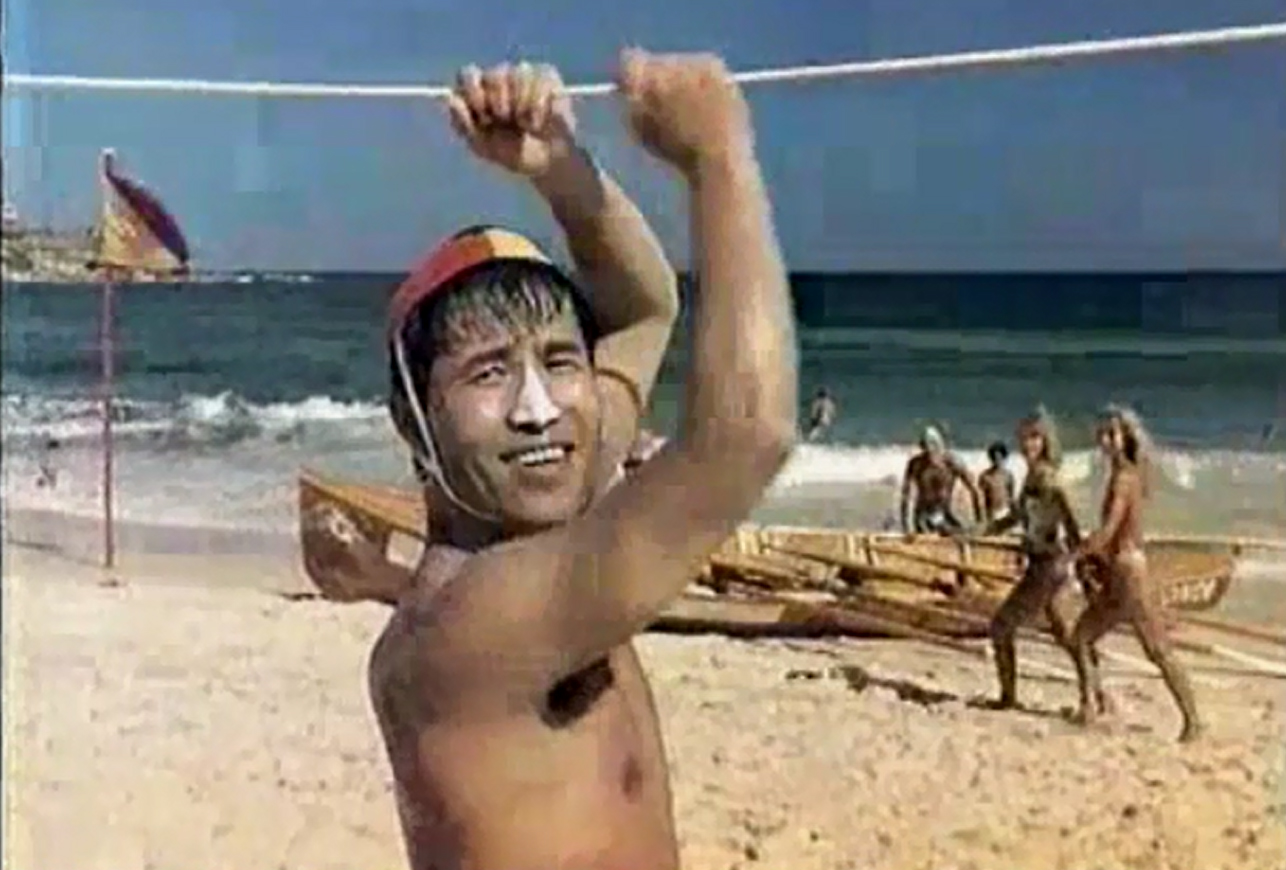
Mr. Okamura, an unforgettable character in NEC ads in Australia during the 1980s and 1990s.
Japan was trending in Australia long before it became flavor of the month in the way it has in recent years courtesy of Cool Japan.
近年の「クール・ジャパン」現象はオーストラリアでは、かなり昔から現れていた。
During the late 1980s through to the mid-1990s, a time when trade friction between a seemingly unstoppable Japan and the struggling United States resulted in such incidents as American autoworkers using sledgehammers to demolish a Japanese car, Australia was slowly moving out of its self-imposed isolation to embrace the Asia-Pacific region and building the firm relationship it now has with Japan. Australia was a pioneer in the Japan Exchange and Teaching (JET) and Working Holiday programs now welcoming thousands of people from all over the world to Japan.
1980年代後半から1990年代半ばの間頃、バブルの影響により日本が世界経済に君臨しそうになったが、それに対して米国経済は後退し、アメリカ人は大ハンマーを使い日本車を破壊するなどの貿易摩擦が起きたと同時にひそかにそれまで無視してきたオーストラリアがアジア・太平洋地域に近づき今のような日本との深い関わり合いを構築し始めた。今、世界中の国々で国際交流などを行っているJETワーキング・ホリデー制度の日本への参加の先駆けだった。
Part of Australia’s embracing of Japan during this time came through the “Japanese character” often picked up by advertisers for use on Australian TV, a trend that Mitsubishi Australia began in a 1978 ad featuring sumo wrestlers and introducing into the lexicon a still commonly used phrase of “not so squeezy” to describe a roomy atmosphere (or, alternatively when used ironically, a tight spot). This trend also made NEC’s character, Mr. Okamura, and the fisherman in the John West commercials, popular across the country.
バブル当時、オーストラリアは日本に近づこうとした。その一環としてテレビCMで「日本人キャラ」を起用することがあった。1978年三菱の豪現地法人がはじめだった。キャビン・スペースが広いトラックのCMでの、「Not so squeezy」(きつくないという意味が、皮肉的に使う場合も稀ではない)が今でもオージー英語でよく使われている。また、NECのキャラだった「Mr.Okamura」や焼津の漁師は今でも多くのオーストラリア人にとって懐かしい思い出である。


Cop A Gander At These Rippers Too...

  • | |

    How Did Wagyu Become An Aussie Success Story?

    和牛はどのようにオーストラリアで成功を収めたのか? Australia is now one of the world’s largest producers of wagyu beef, but few people know that its success began with a remarkable partnership between Japanese genetics and Aussie cattle producers. This is the story of how trust, science and shared ambition created one of the world’s great agricultural success stories. 現在、オーストラリアは世界有数の和牛生産国です。しかし、その成功が日本の和牛遺伝資源とオージーの畜産家たちとの協力から始まったことは、あまり知られていません。信頼と技術、そして共通の志が生み出した日豪農業協力の物語です。 A Japanese Treasure Finds a New Home 日本の宝が南半球へ For centuries, wagyu cattle were raised almost exclusively in Japan. Their unique genetics produced the exceptional marbling that made Japanese beef famous throughout the world. 和牛は何世紀もの間、日本だけで大切に改良・飼育されてきました。その優れた遺伝資源は、美しい霜降り肉を生み出し、日本を代表する食文化の一つとなりました。 Until the late twentieth century, very few wagyu cattle or their genetics left Japan. 20世紀後半まで、生きた和牛やその遺伝資源が海外へ渡ることは、ほとんどありませんでした。 Everything changed when Aussie cattle producers recognised the…

  • | | |

    今日は初めて「ワルツィング・マティルダの日」

    「ワルツィング・マチルダ」はオーストラリアの非公式な国歌というほど国内外で知られている歌だ(もしかして本当の国歌より有名かもしれない)。  そして、オーストラリア、クィーンズランド州の田舎の町であるウィントンは4月6日をワルツィング・マチルダの日」に働きかけている。ABCによると初めて「ワルツィング・マチルダ」が公の場で演奏されたのがウィントンで1895年4月6日だったのだ。同運動支持者が全国の放送局を「ワルツィング・マチルダ」を放送するように呼びかけている。  同曲は、テンポが良くても歌詞の内容がちょっと暗い。浮浪者が羊を盗み、警察及び農家にばれて捕まえられるより小さな池で自殺して以降幽霊が「ワルツィング・マチルダ」と続くという物語。そもそも「ワルツィング・マチルダ」の意味は、田舎で歩き回り出稼ぎする。  歌詞には死語を含めて多くのオージー英語が使われている。例えば、jumbuckが羊のこと。そして、billabongが小さな池。Swagmanは浮浪者。それにtucker bagが食べ物を入れる袋を示す。

  • Exy/高過ぎる

    exy Australian English An abbreviation of “expensive,” used when referring to the price of something. Sometimes, the synonym “pricey” is also used. 日本語 高過ぎる(物の値段・価格が高過ぎると思う場合に使う)。Expensiveの省略。 Plain English Expensive Strine Dictionary

  • |

    ‘You’re Not Taking the Kingswood’…But Japan Did for a Little While

    On this day 70 years ago, Australia launched a domestic automaking industry at Fishermen’s Bend in Melbourne to produce Holden cars. Not many outside Australia that the Great Southern Land once produced cars, and perhaps even fewer still are aware that Oz exported some models to Japan. These weren’t cars assembled in Australia and shipped to the world’s then second-largest car market (as would happen in the late 1980s and 1990s, notably with the Subaru Outback). They were cars made with the intent of attracting Japanese consumers. Ironically, one of the cars marketed was the Mazda Roadpacer, a car slightly adapted from an iconic Australian car, the Holden Kingswood. Holden…