豪で日本人アーティストのパイオニアだったSandiiはSunsetzから再びSunrise

Sandii and the Sunsetz play in Adelaide, 1984.

Sandii, responsible for one of Japan’s first (and extremely rare) marks on Australian popular music charts back in the early 1980s, remains active in the Japanese entertainment world, performing live in Tokyo on Aug. 5 during the Ocean Peoples event at Yoyogi Park
1980年代前半にオーストラリアでヒットした非常に稀な日本人パフォーマーとしてサンディーは、今でも活躍中であり、8月5日東京代々木公園にて「Ocean Peoples」に関連したライブを行なった。
While fronting Sandii and the Sunsetz back in the 1980s, Sandii scored a #11 hit on the Australian pop music charts in 1984 with Sticky Music. A successful tour of Australia accompanied the hit, including a show in the Adelaide suburb of Glenelg as an alcohol-fueled riot that led to 66 arrests broke out.
サンディーは、Sandii & the Sunsetzのリードヴォーカルとして1984年にオーストラリアで11位にランクインしたちょっとしたヒット曲「Sticky Music」をリリース、同年に曲と並行したオーストラリア国内ツアーもアデレード市内で暴動が起こしながらライブを続けたことを含めて大成功を収めた。

It was only the second Top 20 hit by a Japanese performer in Australian recording history, following her good friend Ryuichi Sakamoto, who charted earlier the same year with the haunting title track from Merry Christmas Mr. Lawrence, a joint Japan-Britain-Australia film directed by Nagisa Oshima and starring Sakamoto and David Bowie.
オーストラリアで日本発の曲がヒットしたのは、彼女の大親友でもある坂本龍一が作曲した大島渚監督、デビッド・ボウイ主演の日英豪共同作映画「戦場のメリークリスマス」の神秘的なオープニングテーマ「メリークリスマス・ミスター・ローレンス」に続いて2回目だった。

Sandii performs at “Ocean Peoples” in Tokyo on Aug. 5, 2012

Sandii had limited success with the Sunsetz both globally and within Japan until the band broke up in 1990. She continued with music, often collaborating with her partner Makoto Kubota, until the mid-Noughties when she returned to a youthful pursuit of Hawaiian culture having lived in Hawaii due to her American father’s commitments with the United States Navy. Sandii is now regarded as a hula master and runs a couple of hula dancing schools in the Japanese capital.
以降、Sunsetzは1990年の解散まで日本国内外で成功し、多くはパートナーである久保田麻琴と組み2000年代半ばまで音楽界で活躍した。そして、父が米海軍出身だったため若い頃に接していたハワイ文化のルーツに戻り、フラダンスのマスターとなり、現在はフラダンススクール経営などを通しフラを中心として現役だ。

Cop A Gander At These Rippers Too...

  • Seed Of An Idea

    With the onset of spring, I finally took action and planted seeds in the hope of bringing more, longer-lasting flowers into the Aussie garden we call Kangaeroo Corner. I planted some banksia, grevillea and eucalypts, using a variety of different methods. I put seeds into growth pods in three types of planter box. Two of these were to be lit 24 hours, and the other left to get light when it could. Two were also soaked in water, and the third wettened, but essentially to remain dry. The seeds are supposed to sprout anywhere from one to three weeks from now, so I will keep my eyes on them and…

  • |

    豪キャブラリー:Galah

    由来が良く分からないが、オージー英語では誰かを「galah」と呼ぶと、「ドジ」や「アホ」を示すだ。  Galahはそもそもオーストラリア産のインコ類の一つの鳥だ。写真が示すようにピンク色の胴体と主に白い頭できれいな通りだが、どうにか評判がいまいちであり、「おばかさん」とのつながりが少なくともオージー英語では深い。実際にgalahそのものが特に頭が悪いわけでもないと思うし、その無知さが検証されている訳でもない。  評判はすべてですね。

  • | |

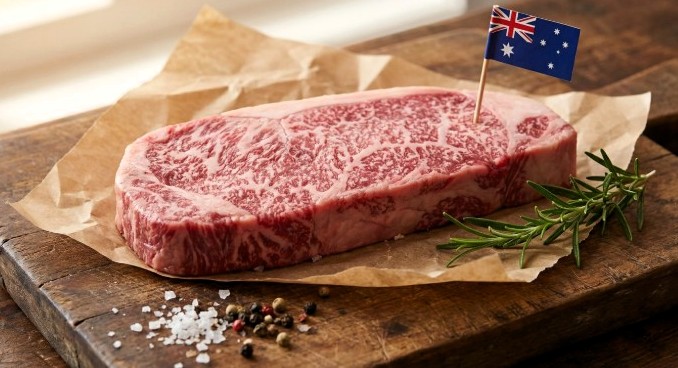
    How Did Wagyu Become An Aussie Success Story?

    和牛はどのようにオーストラリアで成功を収めたのか? Australia is now one of the world’s largest producers of wagyu beef, but few people know that its success began with a remarkable partnership between Japanese genetics and Aussie cattle producers. This is the story of how trust, science and shared ambition created one of the world’s great agricultural success stories. 現在、オーストラリアは世界有数の和牛生産国です。しかし、その成功が日本の和牛遺伝資源とオージーの畜産家たちとの協力から始まったことは、あまり知られていません。信頼と技術、そして共通の志が生み出した日豪農業協力の物語です。 A Japanese Treasure Finds a New Home 日本の宝が南半球へ For centuries, wagyu cattle were raised almost exclusively in Japan. Their unique genetics produced the exceptional marbling that made Japanese beef famous throughout the world. 和牛は何世紀もの間、日本だけで大切に改良・飼育されてきました。その優れた遺伝資源は、美しい霜降り肉を生み出し、日本を代表する食文化の一つとなりました。 Until the late twentieth century, very few wagyu cattle or their genetics left Japan. 20世紀後半まで、生きた和牛やその遺伝資源が海外へ渡ることは、ほとんどありませんでした。 Everything changed when Aussie cattle producers recognised the…

  • | |

    Dealing With Snow Can Be A Taxing Business

    While never the most patient of people, today has proved to be particularly taxing in so many ways, including literally. I woke well before dawn as is my typical morning routine and a blanket of white was there to greet me. The days when a heavy snowfall delighted me are well and truly past (despite having lingered longer than they should have done, to be honest, with the winter wonderland atmosphere still at least a little bit magical…maybe a lot, I am realizing as I type…) Anyway, I knew today would not afford many opportunities to be physically active. I was right. Normally, when it snows I try to get…

  • Sounds to Trigger an Aussie

    Prompted by a Scottish mate’s post on Twitter about a tune that reminds him of his homeland, I got to thinking about the same kinds of songs that have an effect on me regarding Australia, my native country. While doing so, I realized there are probably a few shared by just about every Aussie on the planet. For Australians in their mid-60s and under, there is only one answer to the question posed by Doc Neeson and the Angels in their 1976 song, Am I Ever Gonna See Your Face Again? Ironically, the song was only a minor hit when first released, but has since became an iconic tune Down…

  • |

    音楽:ボーガン文化の“心臓部”

    ボーガン文化には、 とんでもなく強力な音楽的コアがある。 その“正典サウンドトラック”はこんな感じ。 これだけ並べると、 「ボーガン=音楽好きの労働者階級ロッカー」 というイメージが浮かぶけれど、 ここでまた最高のパラドックスが登場する。 “ボーガン音楽”は、実はめちゃくちゃ高度な音楽でもある ボーガン文化に結びつけられる音楽の中には、 国際的に影響力があり、音楽的にも超洗練されているものが多い。たとえば AC/DC。「ボーガンが好きだから文化的に価値が低い」 ……なんてことはまったくない。むしろ逆で、ボーガンが愛する音楽が、オーストラリアの国民的神話の一部になる。2002年には Triple J が “National Bogan Day(全国ボーガンの日)” を開催し、Cold Chisel、Midnight Oil、Rose Tattoo、AC/DC など “ボーガン的象徴”の音楽を祝った。つまり、ボーガン音楽=ダメな音楽、ではない。 ボーガン音楽とは何か? それは、気取らないオーストラリア的男性性と 労働者階級の“本物らしさ”を象徴する音楽。音楽そのものの質ではなく、 文化的な結びつきが“ボーガン音楽”を定義する。だからこそ、 ボーガン文化の音楽は単なる趣味ではなく、 国民的アイデンティティの一部になっている。