米TV局:豪の不思議な怪人の存在確認

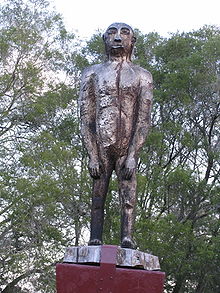
Yowie statue in Kilcoy, QLD
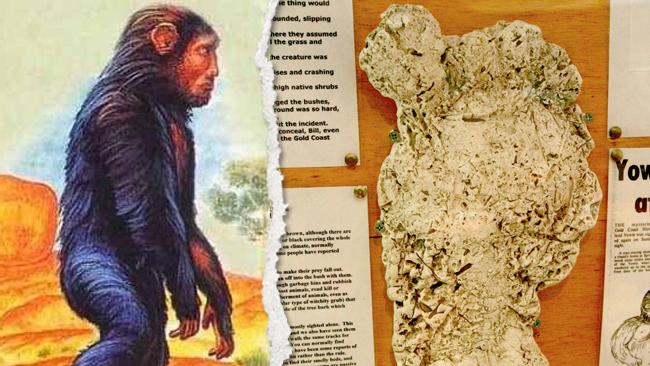
 オーストラリア先住民の伝承怪物であるヨーウィーは、豪北部で存在検証するオーディオが入手したと米国テレビ局「アニマル・プラネット」関係者が28日付けで報道されている。
 ヨーウィーはヒマラヤのイエティや北米のビッグフット同様、巨大類人猿のような見た目である、独特な足持ちとされている。時には目撃者などが現れるが実際の存在を検証できる証拠が未だに発見していない。
 しかし、「アニマル・プラネット」の「ファインディング・ビッグフット(ビッグフットを捜せ)」という番組の取材チームはこのごろ「これほど質のいいオーディオを録音したことがないだ」と同番組のビッグフット・ハンタージェームズ・フェイ氏がいう。
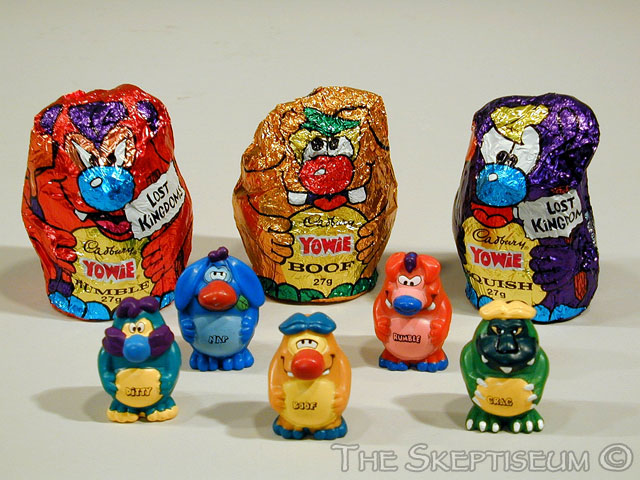
Yowie chocolates
 ちなみに、日本ではヨーウィーの存在は全く知られていない訳でもない。実際の架空とされているヨーウィーの上に、チョコに囲まれているおもちゃのヤウイは昔市販で買えて、一時期人気あった可愛い商品だった。同物は、今でもオーストラリアでの販売が健全だ。

    関連記事


Yowie Chocolate
Australian Yowie Research
Cryptomundo – Tales of the Yowie
Yowie File
Animal Planet TV crew capture audio they believe proves existence of yowies (有料サイトのため、記事を下記も掲載しています)

A US television crew has recorded what it believes is compelling audio evidence of the existence of yowies.

The four-member team from Animal Planet’s Finding Bigfoot series were on an expedition through remote forests spanning the Queensland and NSW border when they made the recordings.

Bigfoot Field Research Organisation member James “Bobo” Fay said that of the more than 20 expeditions conducted around the world by the TV team, this was “maybe the best one as far as audio recordings”.

While he was reluctant to give details ahead of presenting their evidence on the still-to-be-completed third season of the US show, Fay said that in two different locations they had activity that they had attributed to a yowie – the fabled ape-like creature of the Aussie bush.

“We got some really compelling audio,” he said.

“It is not a known species, I can tell you that. One of the details (convinces us) there is nothing else it could have been.”
Their discovery comes as scientists from Oxford University and Lausanne Museum of Zoology are preparing to use new DNA analysis techniques to determine whether creatures such as yowies, Bigfoot, sasquatches or yetis exist.

The European scientists have asked other scientists, museum curators and Bigfoot tracking groups to share samples thought to be from the mythical ape-like creature.

Bryan Sykes, of Oxford University, told the Associated Press the research group had already received offers of samples to test, including blood, hair and items supposedly chewed by Bigfoot.

Fay is still “stoked” with having captured the Australian yowie sound on tape.

“When at first we all heard it, we were like, ‘No way’,” he recalls.

“If you were in North America, you could have written off one of the compelling things we heard as being a large bear. But there are no large bears here.”
Cop A Gander At These Rippers Too...

  • Lucky Country, the

    lucky country, the Australian English Australia. The term was coined by historian Donald Horne in irony. He argued that Australia was lucky as it became a rich land only because of its natural resources instead of the cleverness or effort shown by other nations. Instead of being shocked by the term, Australians adopted “the Lucky Country” to use as a favorable synonym to describe their land. 日本語 オーストラリアのこと、ラッキーな国。もともと歴史学者ドナルド・ホーン氏が1964年に「ラッキーな国」を皮肉たっぷりに使った表現だ。同氏は、オーストラリアがほかの先進国と違って、知恵や努力で発展したではなく、資源豊富さだけで豊かとなって、とても「ラッキーな国だ」と言った。しかし、多くのオーストラリア人がホーンの本来の意味を無視、今一般に自国名をいい風に表現できる同義語として使うようになった。 Plain English Australia. Strine Dictionary

  • |

    (Aussie) Black Swans Give (Japanese) Koi Fish a Decent Feed

    Black swans are endemic to Australia and symbolic to the country, particularly Western Australia, where the avian beauty is almost synonymous for anything Sandgroper.  黒鳥は、オーストラリア国有鳥であり、州の象徴である西オーストラリア州では特に称えられている。 Koi fish, meanwhile, play a similar role for Japan, immediately evoking an image of the Land of the Rising Sun.  鯉は、言うまでもなく、超日本的であり、日本のシンボル一つと言っても過言ではないはずだ。 This clip could be called a cute view of Australia-Japan friendship.  なので、本動画が日豪友情の表れとも言える。

  • | |

    豪キャブラリー: Thongs

    故英国首相ウィンストン・チャーチル氏は、イギリスとアメリカが「共通の言葉で分かれている二つの国家」という名言を残したが、ルーツが同じでも使う英語が違うオーストラリアではさらに言葉の誤解を招きやすい。今日の豪キャブラリーであるthongがその典型的な例だ。オージーにとってthongsが夏に欠かせないものとなっている。しかし、それをアメリカ人に言ったら、驚かれるだろう。オージー英語ではthongsはビーチサンダルのことを示すが米語のthongはセクシーな下着であるT-バックのことだ。

  • | |

    Why Do Japanese Musicians Keep Bringing Taiko to Australia?

    なぜ日本の和太鼓はオーストラリアで愛され続けているのか? From school halls to multicultural festivals, the powerful sound of taiko echoes across Australia. Behind every performance are Japanese teachers and volunteers who have spent decades sharing far more than music. 学校の体育館から各地のフェスティバルまで、力強い和太鼓の音がオーストラリア中に響いています。その背景には、音楽だけでなく日本文化そのものを伝えてきた多くの日本人指導者の存在があります。 More Than a Performance 演奏だけではない Taiko performances are exciting. But rehearsals are where friendships begin. Australian and Japanese players practise together for months before stepping onto the stage. 演奏だけではない 和太鼓は迫力ある演奏が魅力です。 しかし、本当の交流は練習から始まります。 日本人とオージーのメンバーは、何か月も一緒に汗を流して本番を迎えます。 Teaching Without Words 言葉を超えた指導 Many Japanese instructors speak only limited English. Many Australian students know little Japanese. Rhythm becomes their shared language. 言葉を超えた指導 日本人指導者の中には英語が得意ではない人もいます。 一方、オージーの生徒も日本語を話せるとは限りません。 それでも太鼓のリズムが共通の言葉になります。 Building Community 地域をつなぐ太鼓 Community festivals across Australia regularly feature taiko performances. They attract audiences of every background. For many…

  • | |

    かきを食う客ならBig Oysterが究極なかきだ!

    南オーストラリア州セドゥナという町では、同町の海産物関係の伝統の象徴としてオーストラリアの「Big Things」ひとつであるデカイかきのBig Oysterがある。  セドゥナは元々捕鯨用の拠点として19世紀で出来た町だったが、この数十年ではかき業が盛んとなり、1991年かきを称えるオイスターフェストという祭りを開催する。  コンクリート製のBig Oysterは元々同祭り用の山車のために作られたが4回その任務を果たして町の中に永遠提示するようになった。  セドゥナは砂漠であるナラボア平原の境界にあるので、東から西へ行くと最後の町であり、逆方向で行ってれば平原の終わりのシンボルとなるところのだ。 Ceduna Oyster Festival 2009 from CAAMA on Vimeo. 大きな地図で見る