The Tragic Tale Of A Japanese-Australian Wallaby Who Became A Symbol Of Mateship
なぜ日系オーストラリア人のワラビーズ選手は「仲間」の象徴になったのでしょうか?
A Wallaby Called “Blow”
「ブロー」と呼ばれたワラビー
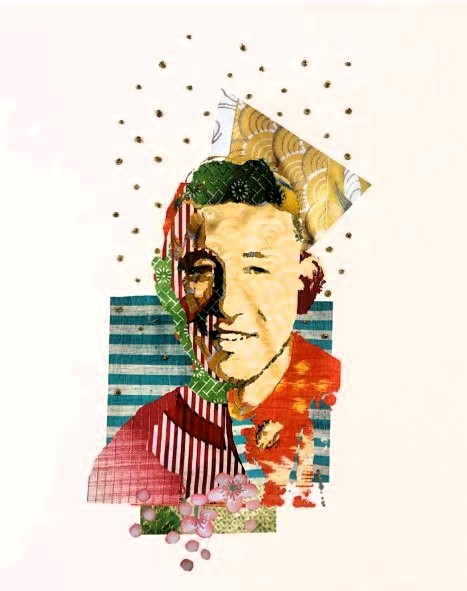
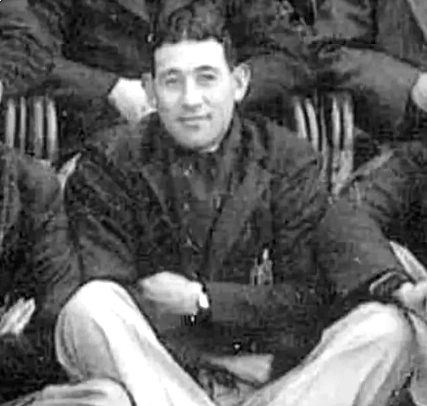
Winston Phillip James Ide was born in Sydney in 1914 to an Australian mother, Clara, and Japanese-born father Henry Hideichiro Ide. Nicknamed “Blow” as a child, he became a talented rugby player, representing New South Wales and Queensland before playing two Tests for Australia against the All Blacks in 1938.
ウィンストン・フィリップ・ジェームズ・イデは1914年、シドニーでオーストラリア人の母クララと日本生まれの父ヘンリー・ハイデイチロウの間に生まれました。幼いころの癖から「ブロー」と呼ばれ、ラグビー選手として頭角を現し、1938年にはオールブラックス戦2試合でオーストラリア代表としてプレーしました。
From rugby field to battlefield
ラグビー場から戦場へ
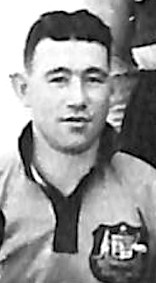
Ide was selected for the 1939 Wallabies tour of Britain. The team had just reached England when war broke out in Europe. The tour was abandoned and the players returned home. Ide then enlisted in the Second Australian Imperial Force and joined the 2/10th Field Regiment.
イデは1939年のワラビーズ英国遠征メンバーにも選ばれました。しかし一行が英国に到着した直後、ヨーロッパで戦争が始まり、遠征は中止されます。帰国したイデは第二オーストラリア帝国軍に入隊し、第2/10野戦連隊に所属しました。
His father was treated differently
父親は「敵性外国人」とされた
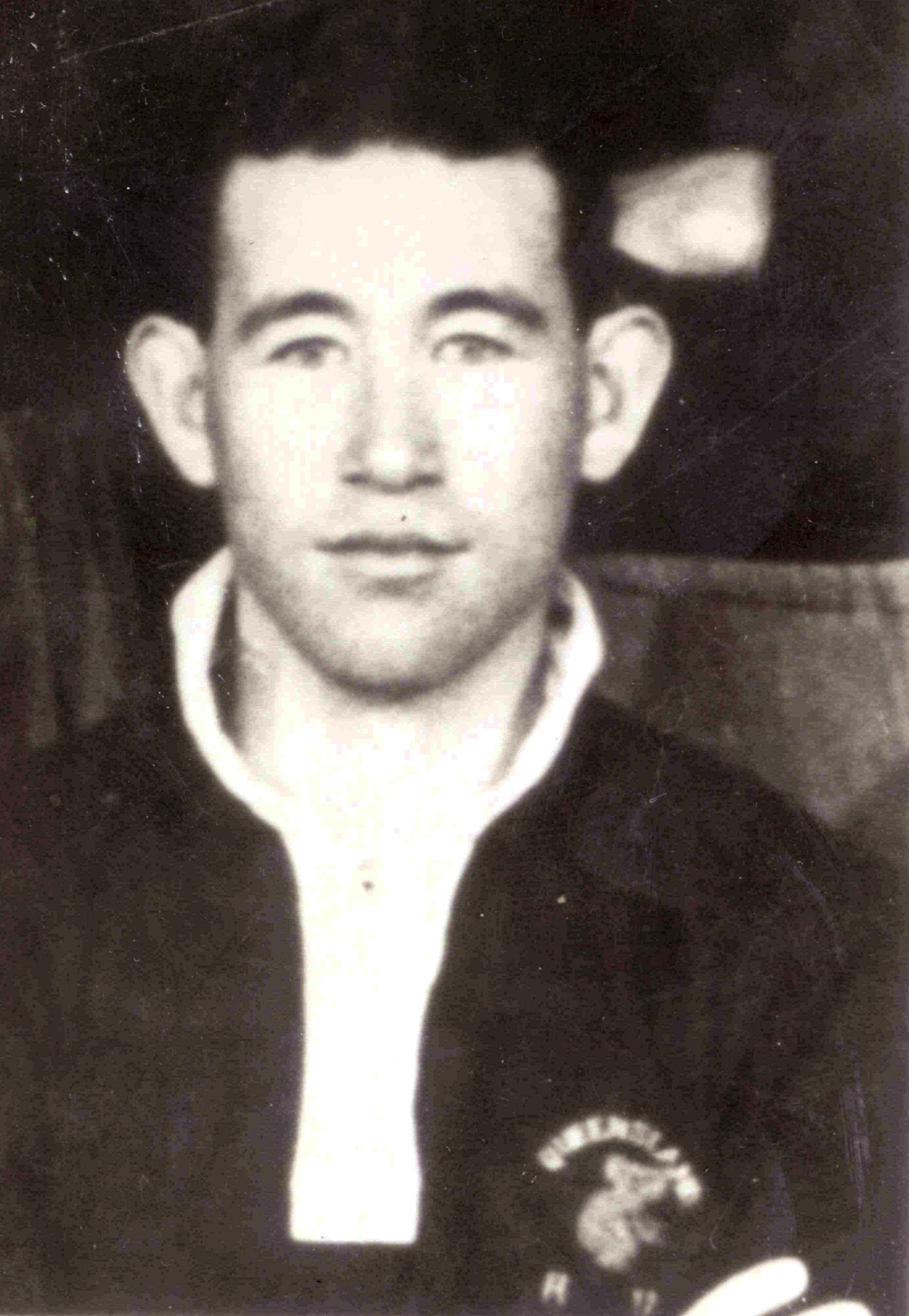
The contrast within the Ide family was extraordinary. Winston served Australia, as did two of his brothers and his brother-in-law. Yet his Japanese-born father, Henry, was interned as an enemy alien despite being a naturalised Australian-British citizen who had lived in Sydney for about 50 years. He was released in 1943.
イデ一家の戦時中の立場は、実に複雑でした。ウィンストン本人だけでなく、兄弟や義兄もオーストラリア軍に従軍しました。一方、日本生まれの父ヘンリーは、帰化したオーストラリア・英国市民で、約50年間シドニーに暮らしていたにもかかわらず、「敵性外国人」として収容されました。1943年に釈放されています。
Captured at Singapore
シンガポールで捕虜となる
Ide’s regiment was sent to Singapore in 1941. After Singapore fell to Japan in February 1942, he became a prisoner of war. He was sent with “A Force” from Changi to Burma, where Australian prisoners were forced to work on the Burma–Thailand Railway under horrific conditions of disease, malnutrition and overwork.
イデの部隊は1941年にシンガポールへ派遣されました。1942年2月にシンガポールが日本軍に陥落すると、彼も捕虜となります。その後「A Force」の一員としてチャンギからビルマへ送られ、病気、栄養失調、過酷な労働に苦しみながら泰緬鉄道の建設に従事させられました。
His Japanese ancestry did not save him–or single him out
日本人の血は、彼を救いもしなければ特別扱いもしなかった
There was a particular fear that Ide’s Japanese ancestry might make him a target among his Japanese captors. The available evidence, however, indicates that he was treated no differently from his fellow Australian prisoners. Whether his captors knew his Japanese ancestry remains uncertain.
家族は、イデが日本人の血を引いていることを理由に、日本軍から特別な扱いを受けるのではないかと恐れていました。しかし、残された資料によれば、彼は他のオーストラリア人捕虜と変わらない扱いを受けています。日本軍が彼の出自を知っていたかどうかは、現在も分かっていません。
“I’ll stick by them”
「仲間のそばにいる」
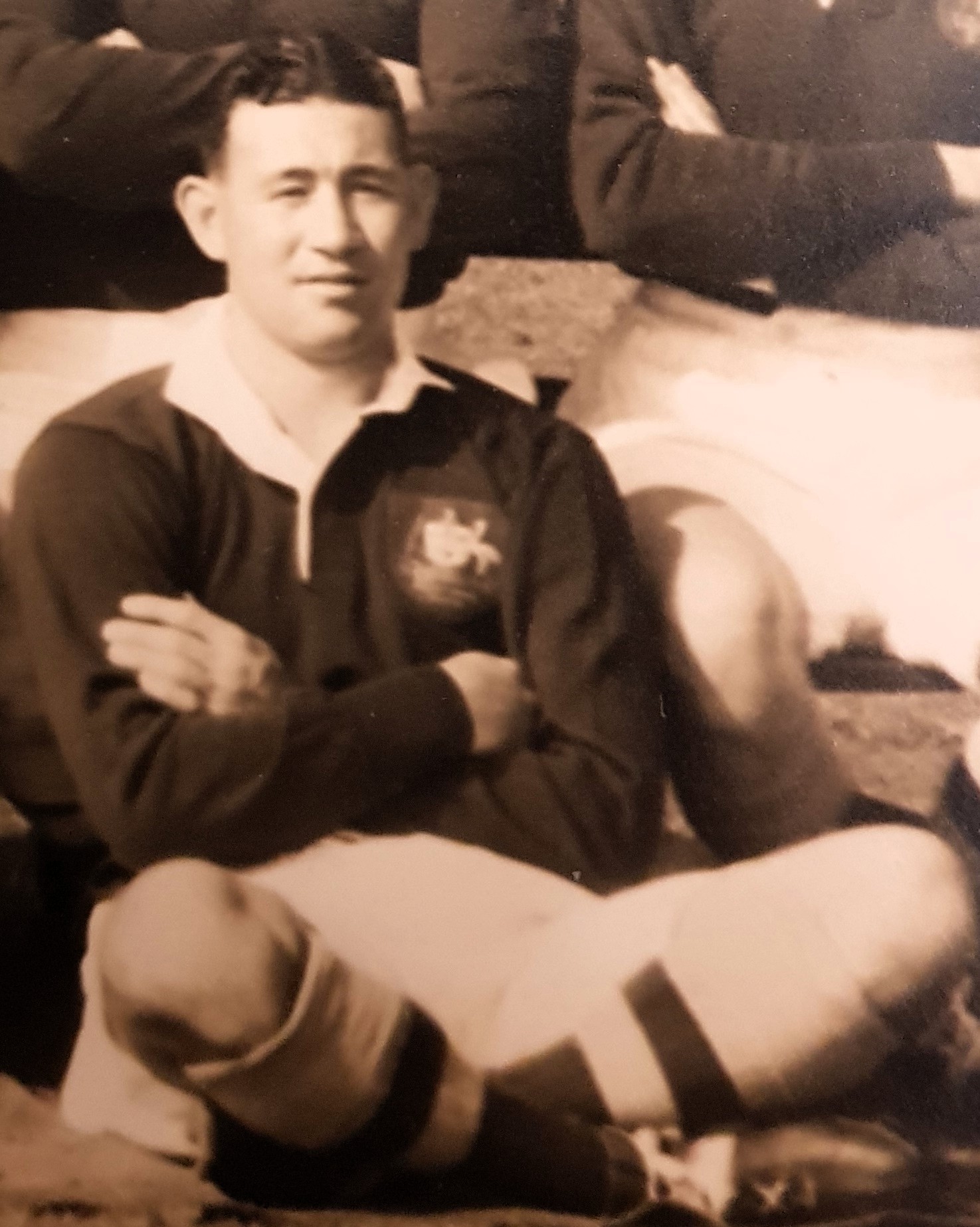
In September 1944, Ide was aboard the Japanese transport ship Rakuyo Maru, carrying Allied prisoners towards Japan. An American submarine torpedoed the ship without knowing POWs were aboard. As the ship sank, Ide was seen in the water by a fellow prisoner, who called him towards a raft. Ide replied that some of the men nearby were badly hurt and that he would stay with them. He was never seen again.
1944年9月、イデは連合軍捕虜を日本へ運ぶ日本船「楽洋丸」に乗せられていました。捕虜が乗っていることを知らなかった米潜水艦の魚雷が船を撃沈。海中にいたイデを仲間が救命いかだへ呼びましたが、近くに負傷者がいるとして、その場に残りました。その後、彼の姿を見た者はいません。
A rugby team remembered him
ラグビー仲間は彼を忘れなかった
Ide’s rugby teammates did not forget him. After the war they established the Blow Ide Memorial Cup, awarded to the winners of the combined North Sydney–South Sydney match. The Australian War Memorial records that the trophy continued to be contested until the 1970s. Its memorial inscription captured the connection: “Blow Ide died as he always played – for his team.”
戦後も、ラグビー仲間はイデを忘れませんでした。彼の名を冠した**「ブロー・イデ・メモリアル・カップ」**が創設され、ノース・シドニーとサウス・シドニーの合同試合の勝者に贈られました。オーストラリア戦争記念館によれば、この大会は1970年代まで続きました。「ブロー・イデは、いつもと同じようにチームのために戦って死んだ」という言葉が、その人柄を物語っています。
One person, two nations
一人の人生が映す二つの国
Winston Ide’s story is not a simple tale of Australia versus Japan. He was an Australian sportsman of Japanese heritage who served his country, while his Japanese-born father was treated with suspicion by that same country. Yet in his final moments, Ide’s defining loyalty was not to a government or an ancestry. It was to his mates.
ウィンストン・イデの物語は、単純な「オーストラリア対日本」の話ではありません。日本にルーツを持つオーストラリア人選手として国に尽くした一方、その父親は同じ国から疑いの目を向けられました。それでも最期に彼が示した忠誠心は、国家や血筋ではなく、何よりも「仲間」に向けられていたのです。
Original Sources
Forgotten Stories: An Ode to Winston ‘Blow’ Ide, Australia’s only Japanese heritage Wallaby.
Australian War Memorial — Winston Ide Roll of Honour
Winston Phillip James Ide — Australian War Memorial
Australian War Memorial — Last Post Ceremony: Winston Ide
This is the particularly valuable source: it contains the detailed account of his family, military service, captivity, the Rakuyo Maru and the memorial trophy.
Winston Ide — Last Post Ceremony transcript
Japan Foundation, Sydney — Shannon Whiley, “The Experiences of Nikkei-Australian Soldiers During World War II”
A scholarly study of Winston Ide and two other Japanese-Australian servicemen, based on archival research.
The Experiences of Nikkei-Australian Soldiers During World War II
World Rugby Museum — “Winston Ide: From Wallaby to Prisoner of War”
A useful rugby-history source covering his playing career and wartime experience.
Winston Ide: From Wallaby to Prisoner of War
National Film and Sound Archive — 1939 Wallabies tour
Useful background on the abandoned 1939 tour and the players who subsequently served.
Abandoned: The Wallabies UK Rugby Union Tour of 1939