Southern Crust: Japanese Snapper-Baker Not Loafing Around To Make Dough From Bread Down Under
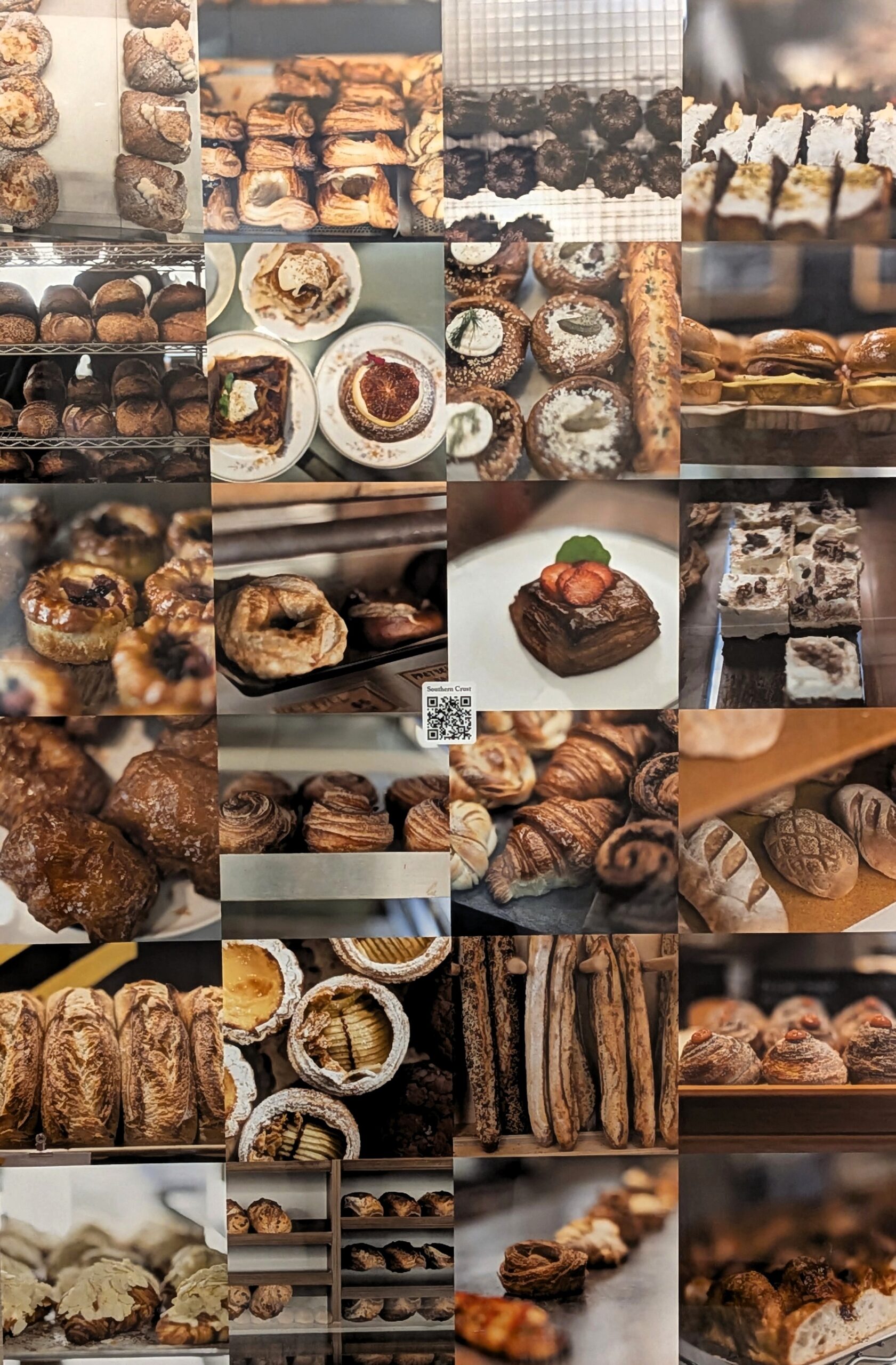
Photographer and baker Kazuaki Ono has combined his dual talents to create the Southern Crust exhibition at the Foreign Correspondents Club of Japan in Marunouchi until Oct. 31.

Southern Crust showcases signature loaves from remarkable Australian bakeries that Ono photographs in iconic locations across Australia from Bondi Beach to Brighton Bathing Boxes. He’ll give a reception and talk show at the FCCJ tonight (Oct. 7) to detail his remarkable story, which includes operating Akipan, a bakery in Sydney offering super soft Japanese bread, since 2023.

“Running Akipan as both the owner and head baker has given me a unique perspective, balancing the creativity of photography with the craftsmanship of breadmaking. Just as the Australian-born flat white has become part of the coffee culture worldwide, I believe Australian bakery culture is developing in a unique way,” Ono told the FCCJ.

Ono is spot on. When I was young, most Australians ate mainly white, mass-produced bread from the likes of Tip Top, and even wholemeal loaves were bland. Local bakeries popped up and added a little richer flavor though remained centered on white bread until finally European-influenced bread full of nuts and grains started to catch on and cuisine became more adventurous. Now, a bakery seems to have arisen in just about every nook and cranny across the country to produce its own speciality and form a core of its community. It’s that kind of bakery that Ono appears to have focused on for his exhibition.

Southern Crust Exhibition Reception & Talk Show
Date: Tuesday, Oct. 7, 6:30 p.m. – 8:30 p.m. (Doors open at 6:00 p.m.)
Fee: FCCJ members 1,000 yen, Non-members 2,000 yen.
To register, please contact front@fccj.or.jp or call 03-3211-3161 * Cancellation fees apply
Cop A Gander At These Rippers Too...

  • | | |

    Why Did Suntory Choose Jacko For Its Ads?

    なぜサントリーはマーク・“ジャコ”・ジャクソンを起用したのか? In the 1980s, one of Australia’s most colourful sporting personalities unexpectedly found himself on Japanese television. AFL star Mark “Jacko” Jackson wasn’t a movie actor or musician, yet Suntory believed he had something special to offer Japanese audiences. Why? 1980年代、オーストラリアを代表する個性派スポーツ選手の一人、マーク・“ジャコ”・ジャクソンが日本のテレビCMに登場しました。俳優でも歌手でもない彼を、なぜサントリーは起用したのでしょうか。 Bigger Than Footy フットボールを超えた存在 In Australia, Mark “Jacko” Jackson was already famous. A talented Australian Rules footballer, he became equally well known for his humour, confidence and unmistakable personality. His catchphrase, “I’m an Individual”, made him one of Australia’s most recognisable media personalities. フットボールを超えた存在 オーストラリアでは、マーク・“ジャコ”・ジャクソンは人気の高い人物でした。 優れたオーストラリアン・フットボール選手であると同時に、ユーモアあふれる個性的なキャラクターでも知られていました。 「I’m an Individual(俺は俺だ)」という決めぜりふは、多くのオージーに親しまれました。 Japan Was Discovering Australia 日本がオーストラリアに注目していた時代 During the 1980s, Japan’s interest in Australia was growing rapidly. More Japanese families were travelling…

  • |

    Why Is Australia Home To One Of The World’s Largest Japanese Gardens?

    なぜオーストラリアには日本国外有数の日本庭園があるのでしょうか? The Cowra Japanese Garden is far more than a tourist attraction. It grew from an extraordinary act of reconciliation between Australians and Japanese after the Second World War, becoming one of the strongest symbols of friendship between the two nations. カウラ日本庭園は、単なる観光名所ではありません。第二次世界大戦後、オーストラリアと日本の和解から生まれた、日豪友好を象徴する特別な場所なのです。 A difficult chapter in history 歴史の中の苦しい出来事 Cowra, in central New South Wales, was the site of the 1944 Cowra Breakout, when hundreds of Japanese prisoners of war attempted a mass escape from the local prisoner-of-war camp. Many Japanese and four Australian soldiers lost their lives, leaving painful memories for both countries. ニューサウスウェールズ州カウラは、1944年に日本人捕虜による大規模な脱走「カウラ事件」が起きた町です。この出来事では多くの日本人捕虜と4人のオーストラリア兵が命を落とし、両国に深い悲しみを残しました。 Choosing remembrance over resentment 憎しみではなく、追悼を選んだ町 After the war, the people of Cowra chose compassion instead of…

  • | |

    How Did Japanese Shellfish Help Aussie Harvesters Realize The World Was Their Oyster?

    日本のカキはオーストラリアのカキ産業をどう変えたのか? Aussie oysters are famous around the world. Few people realise that one of the industry’s biggest turning points began in Japan. A tiny shellfish—and decades of scientific cooperation—helped reshape Australian aquaculture. オーストラリア産のカキは世界的に高く評価されています。しかし、その発展の大きな転機の一つが日本にあったことは、あまり知られていません。一つの小さな貝と、長年にわたる日豪の科学協力がオーストラリアの養殖業を大きく変えたのです。 An Industry Faces New Challenges 転機を迎えたオーストラリアのカキ産業 For generations, Australia’s oyster industry relied on the native Sydney rock oyster. It remains one of the country’s finest seafoods. But during the 20th century, growers faced disease, slow growth and changing environmental conditions. They began searching for new ideas. 転機を迎えたオーストラリアのカキ産業 長年にわたり、オーストラリアのカキ産業はシドニーロックオイスターを中心に発展してきました。 現在も高級食材として親しまれています。 しかし20世紀になると、病気や成長速度、環境の変化など、新たな課題に直面しました。 生産者たちは新しい可能性を探し始めます。 Looking to Japan 日本に学ぶ Japan had centuries of experience cultivating oysters. Its farmers had developed efficient methods for collecting oyster spat, raising young oysters and managing…

  • | |

    The Tragic Tale Of A Japanese-Australian Wallaby Who Became A Symbol Of Mateship

    なぜ日系オーストラリア人のワラビーズ選手は「仲間」の象徴になったのでしょうか? A Wallaby Called “Blow” 「ブロー」と呼ばれたワラビー Winston Phillip James Ide was born in Sydney in 1914 to an Australian mother, Clara, and Japanese-born father Henry Hideichiro Ide. Nicknamed “Blow” as a child, he became a talented rugby player, representing New South Wales and Queensland before playing two Tests for Australia against the All Blacks in 1938. ウィンストン・フィリップ・ジェームズ・イデは1914年、シドニーでオーストラリア人の母クララと日本生まれの父ヘンリー・ハイデイチロウの間に生まれました。幼いころの癖から「ブロー」と呼ばれ、ラグビー選手として頭角を現し、1938年にはオールブラックス戦2試合でオーストラリア代表としてプレーしました。 From rugby field to battlefield ラグビー場から戦場へ Ide was selected for the 1939 Wallabies tour of Britain. The team had just reached England when war broke out in Europe. The tour was abandoned and the players returned home. Ide then enlisted in the Second Australian Imperial Force and joined the 2/10th Field Regiment. イデは1939年のワラビーズ英国遠征メンバーにも選ばれました。しかし一行が英国に到着した直後、ヨーロッパで戦争が始まり、遠征は中止されます。帰国したイデは第二オーストラリア帝国軍に入隊し、第2/10野戦連隊に所属しました。…

  • An Aussie Touch to a Landmark Japanese TV Show

    Australia provided an (admittedly unacknowledged) touch to Monster Prince (怪獣王子), one of Japan’s most popular TV shows in the late 1960s. Monster Prince told the story of Takeru Ibuki, a boy left stranded on a tropical island while a baby when his family is caught in a volcanic eruption and subsequently raised by dinosaurs living there. Together with his brontosaurus friend, Nessie, Takeru defends the island, and by extension the Earth, from invading aliens. And that’s where the Australian touch comes in…Takeru’s weapon of choice is a boomerang! The show ran for two series and was made by Nihon Tokusatsu Kabukikaisha. The role of Takeru was shared by twins, Yoshinori…

  • |

    Tiny Tassie Town Gets A Kick Out Of Kiki

    A tiny Tasmanian town once known for its female factory has become a magnet for anime fans around the world because of its apparent connection with a witch. Ross, the town with a population of just over 400 and located just over 100 kilometers north of the Tasmanian capital of Hobart, attracts Studio Ghibli anime fans globally, particularly from Japan. The town’s bread shop is said to be the real-life inspiration for the Gütiokipänja Bakery where Kiki, the young witch titular character of Kiki’s Delivery Service, is said to base her business in the 1989 Studio Ghibli hit. The Ross Village Inn has set up an attic space to mimic…