「ラスト豪先住民言語スピーカー」は日本人だった

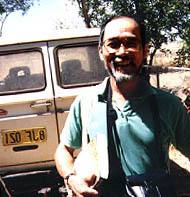
国立国語研究所学者角田太作氏は、日豪関係に対して長年に渡ってとてもユニークな貢献をしてきている。

Tasaku Tsunoda

 同氏は、オーストラリア先住民であるウォロンゴ族が使っていたウォロンゴ語が話せる世界中で唯一の人である。幸いに、同氏は言語学者であり、ウォロンゴ語の辞書を作り、ウォロンゴ族の人々にその言葉を必死に教えようとしている。

 最近、オーストラリア全国及びアジア・太平洋地域に向けて放送しているラジオ局ラジオ・オーストラリアが角田氏をインタービューし、ウォロンゴ語の例も話し中に出ている。

 角田氏に脱帽します。

Japanese linguist helps revive an Aboriginal language (English)
角田氏のインタービュー(英語)

Cop A Gander At These Rippers Too...

  • Got Rich On The Sheep’s Back

    Australia is said to have gotten rich on the sheep’s back. オーストラリアは「羊の背中に乗って」豊かになったと言われている。 Australia is a wealthy country and has been for most of the time since colonization, mainly because it has bountiful mineral resources. オーストラリアは植民地化以降ほとんどの時期で裕福な国でしたが、その主な理由は豊富な鉱物資源にある。 But before things like gold, iron ore, diamonds, uranium, lithium and the like starting bringing in the bikkies for Australia, the squattocracy raised merino sheep that fuelled the then thriving textile mills of northern England that were making Britain an industrial superpower in the 19th century. しかし、金、鉄鉱石、ダイヤモンド、ウラン、リチウムなどがオーストラリアにもたらす莫大な収入よりも前、19世紀のイギリスを産業大国へと押し上げていた北イングランドの繊維工場を支えていたのは、squattocracyが飼育していたメリノ羊だった。 The squattocracy were wealthy farmers who stole the land they used to get rich and then used their financial clout to wield political influence. スクワットクラシーとは、土地を奪って富を築き、その財力を使って政治的影響力を振るった裕福な農場主階級のこと。 Example Australia reckoned…

  • ボーガンの“影”の部分

    ここまでボーガン文化の面白さや魅力を見てきたけれど、 ロマンチックに語りすぎるのは危険でもある。 「ボーガン」という言葉は、 ときに 強烈な階級差別(classism) を含む。つまり、もっと丁寧に言うと、、、 “上から目線の侮辱を、上品っぽく包んだ言い方” として使われることがある。たとえば、こんな人たちをまとめて貶めるために使われることがある。 そして、ボーガン文化に結びつけられるステレオタイプには、 こんな“暗い側面”も含まれる。 もちろん、 これらが「ボーガンと呼ばれるすべての人」に当てはまるわけではない。むしろ、ここがボーガンという言葉の“厄介さ”であり“面白さ”。 「ボーガン」は“スリッパリー(滑りやすい)”な言葉 ある学術研究では、 「ボーガン」は “sticky sign(粘着する記号)” と呼ばれている。理由はこうだ。同じ言葉が、同時に、、、 を引き寄せるから。 つまり、 ボーガンは侮辱にもなり、誇りにもなり、ジョークにもなり、社会分析にもなる。この“多層性”こそが、 ボーガン文化を単なる俗語ではなく、 オーストラリア文化の深い鏡にしている。

  • Why Do Aussies Say “Knockback”?

    What Does “Knockback” Really Mean? Aussieが「Knockback」と言うのはどういう意味? Have you ever gone for a job you really wanted… and didn’t get it? Or invited someone out, only to hear “Sorry, another time.” An Aussie might shrug, smile and say, :Ah well, I got a knockback.” It’s one of those wonderfully practical Strine expressions. Life doesn’t always go your way. Sometimes you get a knockback. Then you dust yourself off and have another go. 「第一希望の会社に落ちた。」「ローンの審査に通らなかった。」「告白したけど断られた。」 人生には、思いどおりにならないことがあります。そんなときAussieがよく使うのが、”knockback”というStrineです。 意味は、「断られること」「却下されること」「不採用」「拒否」など。決して珍しい出来事ではなく、「まあ、そんなこともあるさ」という前向きな気持ちを含んだ表現として使われることが多い言葉です。 Expression knockback Pronunciation /ˈnɒkbæk/ Meaning 断られること。 拒否されること。 不採用になること。 希望がかなわないこと。 また、動詞として”knock back”なら、「断る」「拒絶する」という意味になります。 Example “Did you get the job?” “No, I got a knockback.” 「仕事、決まった?」 「いや、不採用だったよ。」 また、 “The bank knocked back my loan application.” なら、「銀行にローンを断られた。」という意味になります。 日本語で言うと? 日本語なら、「断られた」「落とされた」「却下された」「ダメだった」などが近いでしょう。 でも、Aussieの…

  • The Lucky Country

    Australia is often referred to as “the lucky country,” which most people use favorably, but was actually a derogatory term coined by journalist Donald Horne in his book of the same name, and with April 25 a landmark date in Aussie history now called ANZAC Day, it got me thinking about fortune and the role it plays in lives. Australia had the misfortune to fight its first day of war as an independent, federated country on April 25, 1915, and thousands of young men were brutally mowed down in meaningless slaughter in the ill-fated Gallipoli campaign of World War I (having been escorted to the battlefield by our erstwhile Japanese…

  • Aussies Exposed to Radiation in Japan After Hiroshima

    Not long after the end of World War II, John Collins would sit and eat sandwiches at Ground Zero in Hiroshima, then sift through the rubble left from the city subjected to the world’s first nuclear attack for items he thought could become historically valuable. 戦後間もなく、ジョン・コリンズ氏は、広島市の原爆中心地に座ってサンドウィッチを食べてがれきの中に歴史的に価値のあるものを探し回ったことがあった。 Collins was then a 19-year-old sapper with the Australian troops making up the bulk of the British Commonwealth Occupation Forces (BCOF) stationed in Japan from February 1946 to April 1952. 当時、コリンズ氏は、1946年2月から1952年4月の間で英国連邦進駐軍(BCOF)の約9割で構成したオーストラリア軍の一人だった。19歳だった。