What Japanese Snack Company’s Catchy Commercial Drove Aussies Crackers?

どの日本のお菓子メーカーのCMがオージーを夢中にしたの?
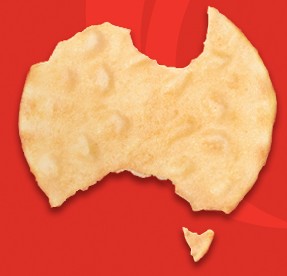
For years, Australians couldn’t get three simple syllables out of their heads: “Sa-ka-ta.” A catchy television commercial turned a little-known Japanese rice cracker into a household name, proving that great advertising can cross cultures as easily as great food.

「サ・カ・タ」――。この3文字が頭から離れなかったオーストラリア人は少なくありません。印象的なテレビCMによって、日本の米菓メーカー「サカタ」は一躍有名になり、広告が国境を越える力を証明しました。


A Tune Nobody Could Forget

耳から離れないメロディー

During the 1990s and into the Noughties, Sakata rice crackers burst onto Australian television with a simple commercial.

Its infectious adaptation of Trio’s hit song Da Da Da repeated one word over and over.

“Sa-ka-ta.”

It was impossible not to remember.

耳から離れないメロディー

1990年代から2000年代にかけて、サカタの米菓は印象的なテレビCMでオーストラリアのお茶の間に登場しました。

ドイツのバンド、トリオのヒット曲『Da Da Da』をアレンジし、「サ・カ・タ」を繰り返すシンプルなCMでした。

一度聞けば忘れられないメロディーでした。


A Japanese Snack Finds Australia

日本のお菓子がオーストラリアへ

Rice crackers were still unfamiliar to many Australians.

Sakata offered something different from potato chips and savoury biscuits.

The commercial encouraged people to try a snack that was already popular in Japan.

日本のお菓子がオーストラリアへ

当時、米菓は多くのオーストラリア人にとって珍しい存在でした。

サカタはポテトチップスやクラッカーとは違う、新しいお菓子として紹介されました。

CMは、日本ではおなじみの味をオーストラリアへ届けました。


More Than Just a Jingle

CMソング以上の存在

The advertisement became part of Australian popular culture.

People sang the tune at school, at work and at sporting events.

Many remembered the jingle long after they had forgotten the details of the commercial itself.

CMソング以上の存在

このCMはオーストラリアの大衆文化の一部となりました。

学校や職場、スポーツ観戦の場でも、「サ・カ・タ」のメロディーを口ずさむ人がいました。

CMの内容は忘れても、歌だけは覚えている人が少なくありませんでした。


A Taste of Japan

日本を身近にした味

Long before sushi became part of everyday Australian life, products like Sakata crackers introduced many Australians to Japanese food.

For some families, a packet of rice crackers was their first taste of Japan.

日本を身近にした味

寿司が日常食になる以前から、サカタの米菓は多くのオーストラリア人に日本の味を届けていました。

家庭で初めて食べた日本のお菓子が、サカタだったという人もいます。


Why It Worked

なぜ成功したのか

The campaign succeeded because it was simple.

A memorable tune.

One easy-to-pronounce Japanese name.

A product people enjoyed sharing.

Sometimes the best international marketing doesn’t need many words.

なぜ成功したのか

成功の理由は、とてもシンプルでした。

覚えやすいメロディー。

発音しやすい日本語の名前。

みんなで楽しめるお菓子。

国際的な広告は、必ずしも多くの言葉を必要としないのです。


An Unknown Nichigo Story

「知られざる日豪交流」の物語

Trade agreements helped strengthen Australia and Japan.

So did business partnerships.

But one of the happiest connections between the two countries came from a television commercial that had Australians happily singing the name of a Japanese snack.

Sakata was once synonymous with rice crackers in Australia, but the Aussie company got taken over in 2005 and is now owned by a multinational that makes the biscuits in Bangladesh. Still, the brand that originated from Japan did much to tighten the ties with Australia.

「知られざる日豪交流」の物語

日豪関係を深めたのは、条約やビジネスだけではありません。

テレビCMもまた、人々を結びつけました。

オーストラリア中で日本のお菓子の名前が歌われたことも、日豪交流の小さな歴史の一つです。

サカタはかつてオーストラリアではライスクラッカーの代名詞のような存在でしたが、2005年に豪州企業が買収され、現在では多国籍企業の傘下となり、ビスケットはバングラデシュで製造されています。それでも、日本発のブランドはオーストラリアとの結びつきを強めるうえで大きな役割を果たしてきました。


Did You Know?

Sakata’s Australian television commercials adapted Trio’s international hit Da Da Da, replacing the famous refrain with the brand name “Sa-ka-ta”. The campaign became one of Australia’s most memorable food advertisements of the 1980s and was later revived because of its nostalgic appeal.

豆知識

サカタのオーストラリア向けCMでは、ドイツのバンド「トリオ」のヒット曲『Da Da Da』をアレンジし、「サ・カ・タ」というブランド名を繰り返しました。このCMは1980年代を代表する食品広告の一つとなり、その後も懐かしさから復活しました。


Sources


Cop A Gander At These Rippers Too...

  • | | | | |

    Why Have Thousands Of Young Aussies JET-ted Off To Live And Work In Japan?

    なぜ何千人ものオージーが日本で暮らき、働く道を選んだのでしょうか? Since 1987, the JET Programme has brought thousands of young Australians to Japan as assistant language teachers and international coordinators. Many arrived expecting a one-year adventure, but found lifelong friendships and careers instead. 1987年に始まったJETプログラムは、何千人ものオーストラリアの若者を外国語指導助手(ALT)や国際交流員として日本へ迎えてきました。1年間の経験のつもりが、一生の友情や仕事につながった人も少なくありません。 An idea with a big vision 大きな夢から始まった交流事業 The Japan Exchange and Teaching (JET) Programme was launched in 1987 by the Japanese Government to promote international understanding at the local level. Australia became one of the first participating countries and remains one of the programme’s largest partners. JETプログラムは1987年、日本政府が地域レベルで国際交流を深めることを目的に始めました。オーストラリアは開始当初から参加しており、現在も主要な参加国の一つとなっています。 Far more than teaching English 英語を教えるだけではない Australian participants teach English in schools, but they also introduce students to Australian culture, sport and everyday life. In return, they learn…

  • |

    Straya, We’ll See Your Vegemite Chocolate and Raise You with Cough Lolly KitKats

    Strewth! It doesn’t get much worse than the latest KitKat concoction to hit Japanese stores, which arguably takes the title of world’s worst chocolate unofficially claimed by Australia when it produced Vegemite chocolate back in June 2015. KitKat Nodoame flavor is now selling at Japanese retail outlets and is the latest in a line of Japanese KitKat flavors that extends well beyond 200. It should be noted, that <i>nodoame is the Japanese word for throat lozenge, and that’s exactly what’s been dished up in the latest KitKat…a throat lozenge flavored-chocolate!!!! For what it’s worth, throat lozenge-flavored KitKat tastes exactly as it sounds, with your average cough lolly covered by waffle…

  • | |

    The Tragic Tale Of A Japanese-Australian Wallaby Who Became A Symbol Of Mateship

    なぜ日系オーストラリア人のワラビーズ選手は「仲間」の象徴になったのでしょうか? A Wallaby Called “Blow” 「ブロー」と呼ばれたワラビー Winston Phillip James Ide was born in Sydney in 1914 to an Australian mother, Clara, and Japanese-born father Henry Hideichiro Ide. Nicknamed “Blow” as a child, he became a talented rugby player, representing New South Wales and Queensland before playing two Tests for Australia against the All Blacks in 1938. ウィンストン・フィリップ・ジェームズ・イデは1914年、シドニーでオーストラリア人の母クララと日本生まれの父ヘンリー・ハイデイチロウの間に生まれました。幼いころの癖から「ブロー」と呼ばれ、ラグビー選手として頭角を現し、1938年にはオールブラックス戦2試合でオーストラリア代表としてプレーしました。 From rugby field to battlefield ラグビー場から戦場へ Ide was selected for the 1939 Wallabies tour of Britain. The team had just reached England when war broke out in Europe. The tour was abandoned and the players returned home. Ide then enlisted in the Second Australian Imperial Force and joined the 2/10th Field Regiment. イデは1939年のワラビーズ英国遠征メンバーにも選ばれました。しかし一行が英国に到着した直後、ヨーロッパで戦争が始まり、遠征は中止されます。帰国したイデは第二オーストラリア帝国軍に入隊し、第2/10野戦連隊に所属しました。…

  • | |

    How Did Australians Help Transform The Quiet Japanese Ski Town Of Niseko?

    オーストラリア人はどのように静かなスキーの町・ニセコを変えたのか? That began to change when Australian skiers started returning home with stories of dry, light snow, uncrowded slopes and a long ski season. Word spread quickly. Friends recommended Niseko to friends, ski clubs organised group trips, and specialist travel companies began offering packages to Hokkaido. In the early 1990s, Niseko was already known among Japanese skiers for its deep powder snow. Yet outside Japan, few people had heard of the small Hokkaido resort. But Australians did more than visit. Many chose to stay. 1990年代初め、ニセコは日本のスキーヤーにはすでによく知られた存在でした。しかし海外では、その名を知る人はほとんどいませんでした。 状況が変わり始めたのは、ニセコを訪れたオーストラリア人スキーヤーが、軽く乾いたパウダースノーや混雑の少ないゲレンデ、長いシーズンの魅力を帰国後に語り始めたことでした。 口コミによって評判は広がり、スキークラブがツアーを企画し、旅行会社も北海道へのスキー旅行を販売するようになりました。 しかし、多くのオーストラリア人は観光客として訪れるだけではありませんでした。 More Than Tourists As visitor numbers grew, Australians saw opportunities beyond skiing. Some opened cafés serving familiar breakfasts and good coffee. Others…

  • |

    日本で防衛成功した豪ボクサー

    1968年東京で世界バンタム級チャンピオンとなって、オーストラリア先住民初の世界チャンピオンリオネル・ローズが同都市で初防衛。相手が桜井孝雄だった。 Lionel Rose won his world bantamweight title in Tokyo in 1968 and defended it there later that same year against Takao Sakurai. しかし、この防衛戦の前に、伝説的な戦いがあった、、、