
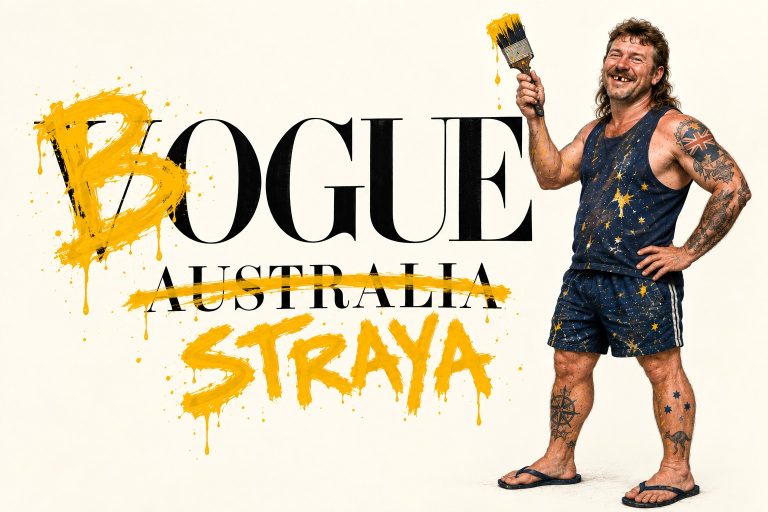
Bogan Pride

Bogan pride is probably the most important cultural development of the bogan culture.

Calling someone a bogan used to be essentially saying:

“You’re beneath me.”

Increasingly, people started saying:

“Yep. I’m a bogan. Got a problem with that?”

That is classic cultural reclamation. The same process has happened with many supposedly derogatory identities around the world.

But Australian bogan pride has a particularly Australian flavour because it overlaps with:

  • egalitarianism;
  • anti-authoritarianism;
  • larrikinism;
  • distrust of pretension;
  • national pride;
  • working-class identity;
  • humour.

Roslyn Rowen’s research specifically links the positive reappropriation of “bogan” with Australian nationalism and the Australian tendency to celebrate the “ordinary” person.

Cop A Gander At These Rippers Too...

  • |

    豪キャブラリー:Bogan

    「Bogan」とは、洗練されていない、あるいは俗っぽいと見なされる人を指すオーストラリアのスラングである。場合によっては、蔑称として使われることもあれば、ユーモアを交えた自虐的な意味合いで使われることもある。1980年代以降、「ボーガン」は広く認知されたサブカルチャーとなり、しばしば「悪趣味」の代名詞として挙げられるようになった。 Strine Dictionary | 考えRoo

  • Cars: Probably The Greatest Bogan Art Form

    If you wanted to identify one area in which bogan culture becomes genuinely subcultural, I’d choose cars. Particularly: Australia developed a particularly distinctive form of working-class car culture around the Holden–Ford rivalry. The ute is especially significant. It is simultaneously: work vehicle + family vehicle + status symbol + masculine identity + recreational toy. And then there is the Australian phenomenon of the hoon. The hoon and the bogan aren’t identical, but they overlap heavily.

  • | | |

    Is Niseko Still Australia’s Ski Town?

    ニセコは今も「オーストラリア人のスキーの町」なのか? Walk through Niseko today and you’ll hear conversations in Japanese, English, Mandarin, Korean and many other languages. The resort that Australians helped introduce to the world has become one of Asia’s most international winter destinations. Visitors now arrive from across the globe, while investment comes from many countries. So, after more than three decades, is Niseko still Australia’s ski town? 現在のニセコを歩くと、日本語だけでなく英語、中国語、韓国語など、さまざまな言語が聞こえてきます。 かつてオーストラリア人が世界に紹介したスキーリゾートは、今ではアジアを代表する国際的なウィンターリゾートへと成長しました。 では、30年以上が経った今でも、ニセコは「オーストラリア人のスキーの町」と言えるのでしょうか。 The Pioneer Years There was a time when Australians dominated Niseko’s international tourism scene. From the mid-1990s through the early 2000s, Australian visitors arrived in growing numbers, opening cafés, ski schools, accommodation businesses and tour companies. Their enthusiasm encouraged more travellers to discover Hokkaido’s famous powder…

  • The “Bento Bogan”

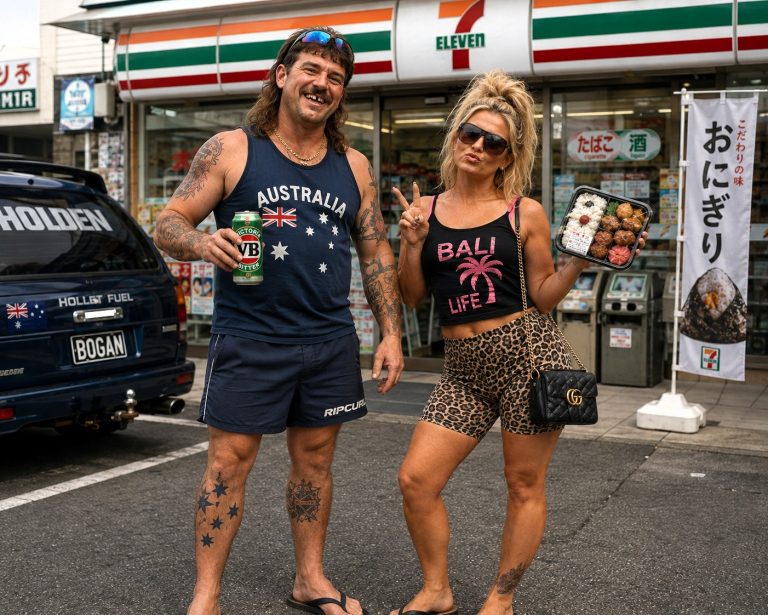
    Australia’s tourism boom in Japan has produced a new stereotype of the Australian tourist in Japan. Some Australian commentary has started jokingly referring to this phenomenon as the boganisation of Japan. The background is real: Australian arrivals to Japan surged after the pandemic, helped by Australia’s proximity to Japan, favourable exchange rates and Japan’s enormous appeal as a destination. One 2025 report noted that Australian visitors to Japan reached 637,300 between January and September 2024, up 42% on the equivalent record period in 2019. And some Australians have begun joking about a new breed: The Bento Bogan A person who has somehow transported from Bali to Japan the cultural package…

  • Boganism And The Aussie Class System

    This may actually be the deepest subject behind the whole phenomenon. Australia traditionally likes to imagine itself as an egalitarian society where the wealthy and working class can sit together in the pub and have a beer. Consequently, Australians have historically been uncomfortable talking explicitly about class. “Bogan” provides a sneaky alternative. Instead of saying: “That person is working class.” people can say: “They’re a bit bogan.” Instead of saying: “I dislike their cultural tastes.” they can say: “That’s bloody bogan.” Sociologists Steve Threadgold and Jessica Gerrard have argued that figures such as the bogan and the hipster function as proxies for class in Australian public culture. The bogan represents…

  • |

    豪キャブラリー:Bogan Band

     Bogan bandは、一般的に若者のboganが好んでする髪型で、髪の縁に沿って細い帯状に髪を金髪にブリーチしたもの。通常、幅は約1cmで、長さは3~4cmを超えることはない。  後ろ髪が長くて上が短髪なMulletやラットテイルヘアという特に細長い部分が特徴的な毛髪のスタイルを指しますボーガンがよく選ぶ髪型ほど人気に及んでいないが、21世紀型ボーガン髪型になりつつ。 Strine Dictionary | 考えRoo