Aussies On The Airwaves, Selling Their Way Into Japanese Living Rooms
日本のお茶の間にやって来たオージーたち――テレビCMでたどる日豪交流50年
For more than half a century, Australians have been appearing on Japanese screens in all sorts of guises: pop idols, Hollywood stars, sporting heroes, supermodels, beer drinkers, housewives, historical adventurers and, occasionally, rather unlikely salespeople.
オリビア・ニュートン=ジョンからメル・ギブソン、イアン・ソープ、ミランダ・カー、ヒュー・ジャックマンまで。半世紀以上にわたり、オーストラリア出身のスターたちは日本のテレビ画面にさまざまな姿で登場してきた。ハリウッド俳優、スポーツ選手、スーパーモデル、そして日本の主婦まで演じる世界的スターもいた。
Their appearances tell us something about more than advertising. They reflect the changing image of Australia in Japan, the internationalisation of Japanese popular culture, and the way Japanese companies have used overseas celebrities to make their products seem glamorous, modern, exciting or simply more desirable.
その歴史は、単なる広告の歴史ではない。日本におけるオーストラリアのイメージ、国際化する日本の大衆文化、そして海外のスターを起用して商品に華やかさや親しみやすさを与えようとした企業の戦略を映し出している。
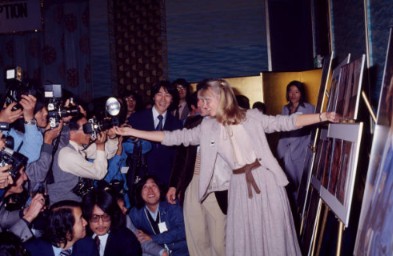
There is one important qualification. Not every Australian celebrity who appeared in an advertisement seen in Japan necessarily starred in a Japanese-made television commercial. Some campaigns were international, some were print advertisements, and some Australians became familiar to Japanese audiences through music, films and television rather than advertising. This story distinguishes between those categories wherever the evidence allows.
なお、日本で広告に登場したオーストラリア人が、全員日本向けのテレビCMに出演していたわけではない。世界共通の広告キャンペーン、雑誌広告、映画や音楽を通じて知られるようになった人もいる。確認できる範囲で、それぞれを区別しながら振り返ってみたい。
The 1970s: Our Livvy and the arrival of Australian pop culture
1970年代――「Our Livvy」とオーストラリアのポップカルチャー
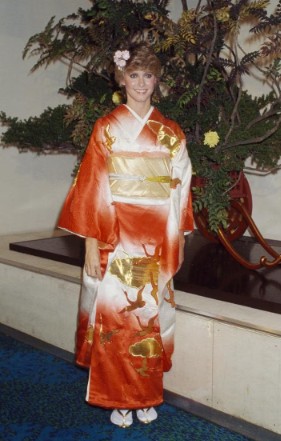
Few Australians have ever enjoyed the affection of Japanese audiences quite like Olivia Newton-John. Known affectionately in Australia as “Our Livvy”, she became an international star during the 1970s, and Japan was among the countries where she developed a particularly devoted following.
「Our Livvy(みんなのリヴィー)」という愛称で親しまれたオリビア・ニュートン=ジョンほど、日本を含む世界のファンから愛されたオーストラリア人スターはそう多くない。1970年代に世界的な人気を獲得し、日本でも熱心なファンを集めた。
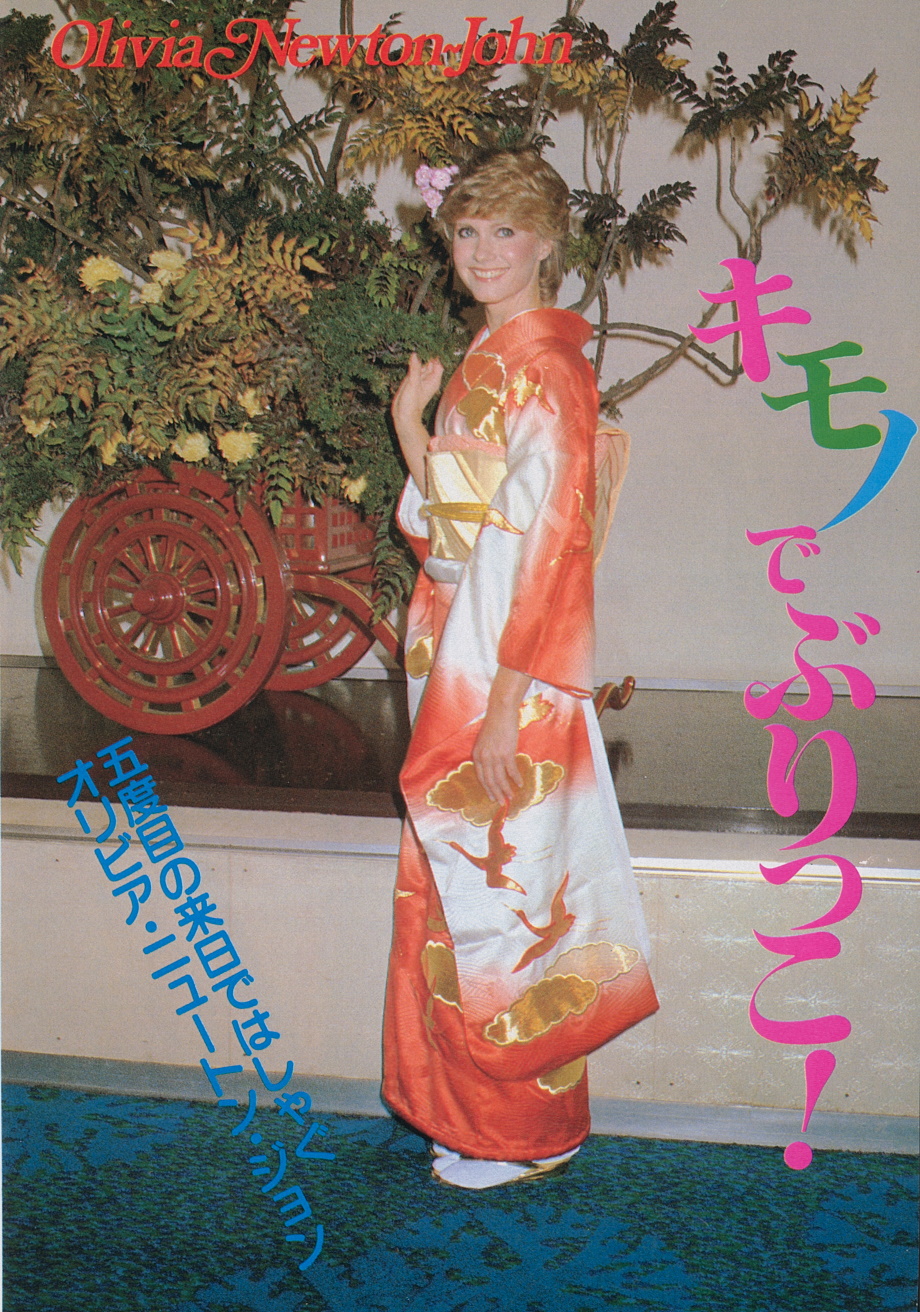
Born in Cambridge, England, in 1948, Olivia moved to Australia as a child. She began her singing career in Australia before finding international success. Her gentle image, distinctive voice and enormous run of hits made her one of the defining pop personalities of the decade.
1948年に英国ケンブリッジで生まれたオリビアは、幼いころにオーストラリアへ移住した。オーストラリアで歌手としての活動を始め、やがて世界的な成功を収める。親しみやすい雰囲気と美しい歌声、次々と生まれるヒット曲によって、1970年代を代表するポップスターとなった。
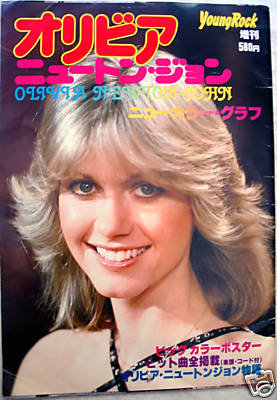
Her Japanese popularity was reinforced by visits, concerts, record releases and extensive coverage in Japanese entertainment magazines. The success of Grease in 1978, in which she starred opposite John Travolta, introduced her to an even wider audience.
来日公演やレコードの発売、日本の芸能雑誌での特集などを通じて、日本での人気も高まった。1978年公開の映画『グリース』でジョン・トラボルタと共演したことも、さらに幅広い層に彼女の名前を知らしめた。
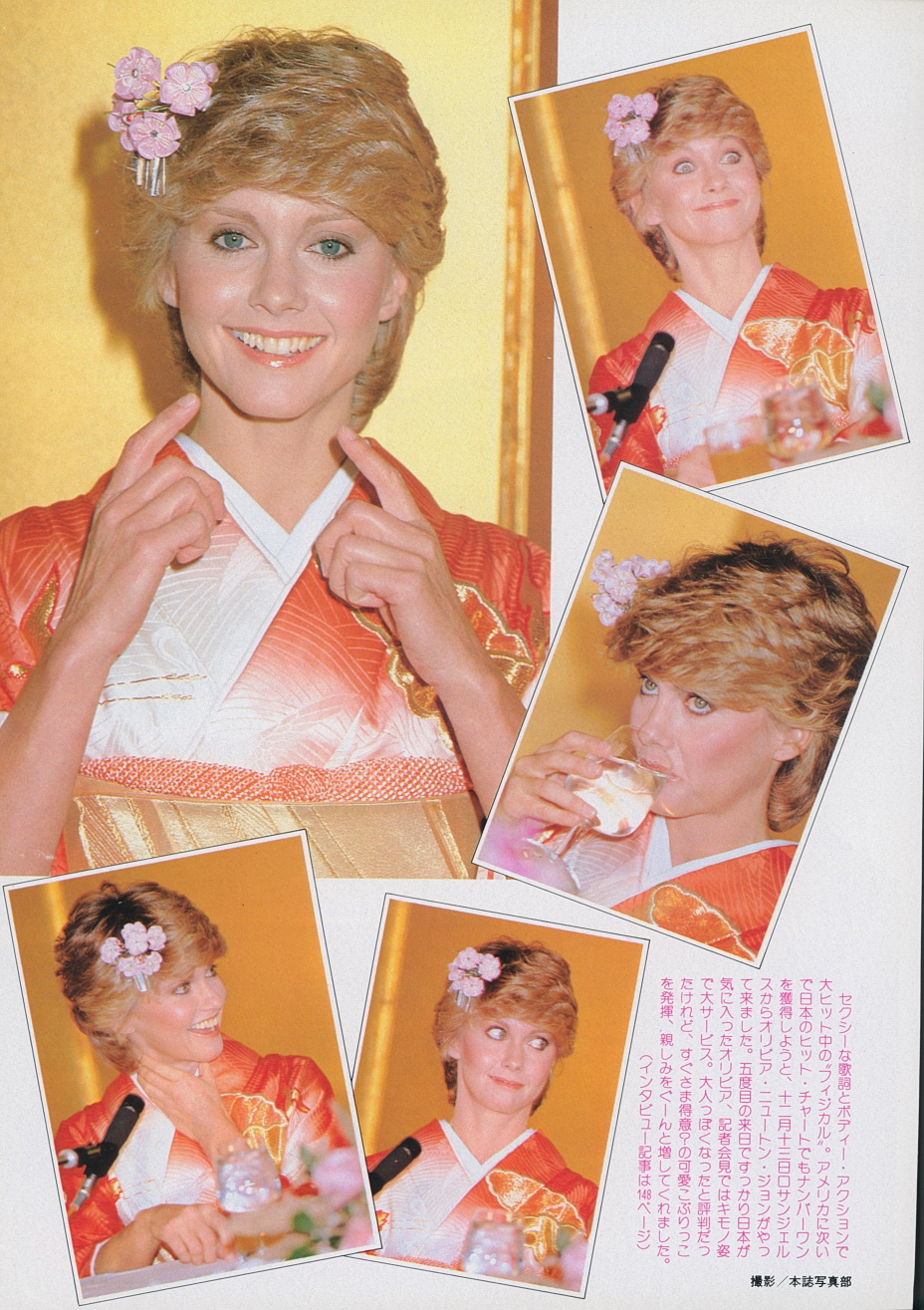
But was Olivia actually in a Japanese TV commercial in the 1970s? That is a detail worth treating carefully. Evidence suggests she didn’t. Her Japanese fame is beyond doubt, but I would not label her a 1970s Japanese TV commercial star without a surviving advertisement or contemporary record to establish it.
では、オリビア本人は1970年代に日本のテレビCMに出演していたのだろうか。 ここは慎重に扱いたい。彼女自身が出演した日本向けテレビCMについて、現時点では確かな映像や当時の資料を確認できていない。日本での人気は間違いないが、CM出演まで断定するのは避けたい。
There is, however, an interesting later advertising connection. Her music continued to be used in Japanese commercials decades after her 1970s heyday. Her song Have You Never Been Mellow, known in Japan as 「そよ風の誘惑」, was used in an Asahi Jūrokucha commercial in 1998, and later in other Japanese advertising campaigns.
一方、彼女の音楽は1970年代の全盛期を過ぎても日本の広告で使われ続けた。代表曲「Have You Never Been Mellow」は、日本では「そよ風の誘惑」として知られ、1998年にはアサヒ飲料「十六茶」のCMに起用された。その後も彼女の楽曲は日本の広告に登場している。
The 1980s: Mel Gibson, the Australian heartthrob
1980年代――オーストラリアの二枚目、メル・ギブソン
If one Australian celebrity can be said to have helped establish the modern Japanese fascination with foreign stars in commercials, Mel Gibson is a strong contender.
外国人スターを日本のテレビCMに起用する流れを象徴する人物として、メル・ギブソンは欠かせない存在だ。
Gibson’s story is particularly interesting because he was not born in Australia. He was born in Peekskill, New York, in 1956. His family moved to Australia in 1968, when he was 12, and he grew up there. He studied at the National Institute of Dramatic Art in Sydney and became internationally famous through films including Mad Max, Gallipoli and Lethal Weapon.
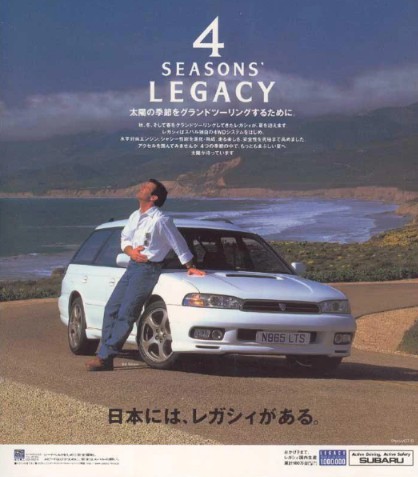
ギブソンは、実はオーストラリア生まれではない。1956年、米国ニューヨーク州ピークスキルに生まれ、12歳だった1968年に家族とともにオーストラリアへ移住した。シドニーの国立演劇学院で学び、『マッドマックス』『誓い(Gallipoli)』『リーサル・ウェポン』などで国際的なスターとなった。
By the mid-1980s, Japanese audiences were being introduced to him as an Australian actor. That description made sense: he had grown up in Australia, trained as an actor there and become famous through Australian cinema. His Australian identity was a significant part of his international image at the time.
1980年代半ば、日本の観客に紹介されるギブソンは、オーストラリア人俳優として扱われていた。オーストラリアで育ち、そこで演技を学び、オーストラリア映画を通じて名を上げたのだから、そう紹介されるのは自然なことだった。
In May 1986, Gibson made his Japanese television advertising debut for Asahi Beer. The timing was deliberate: his film The River was opening in Japan on the same day that the beer commercials began appearing on television.
1986年5月、ギブソンはアサヒビールのCMで日本のテレビ広告に登場した。映画『ザ・リバー』の日本公開とCM放映開始が同じ日だったという、実にタイミングのよいデビューだった。
A contemporary United Press International report described him as an “Australian heartthrob” and revealed that the campaign was not a minor promotional exercise. The producer, Kenji Shiratsuchi, had travelled to California and Australia to arrange two commercials.
“He would drink seven or eight cans of beer in a row and never complain,” Shiratsuchi said. “Even when we offered to fill the cans with tea or another substitute drink, he refused.”
当時の通信社UPIの記事は、彼を「オーストラリアの人気俳優」と紹介している。広告プロデューサーの白土謙二は、CM制作のためにカリフォルニアとオーストラリアを訪問。ギブソンは撮影中にビールを7、8缶飲み、ビールの代わりにお茶を使うという提案も断ったと報じられた。
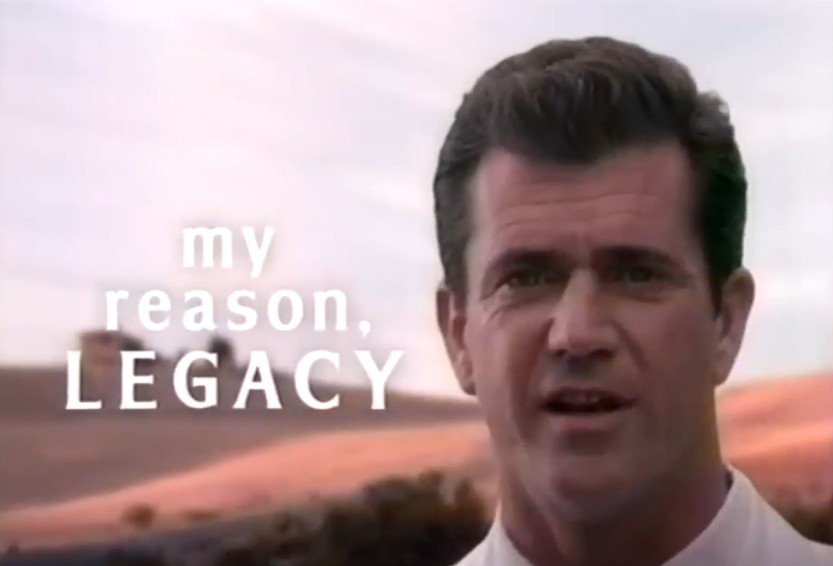
The campaign helped popularise the famous Asahi slogan 「コクがあるのに、キレがある。」 It also demonstrated the commercial value of a recognisable foreign star whose image could be used in Japan without necessarily appearing in advertisements in his home market.
このキャンペーンは、アサヒの有名なキャッチコピー「コクがあるのに、キレがある。」を広める一助となった。また、日本では大スターでも、母国では必ずしも同じ広告に出演しない海外スターを起用するという、日本独特の広告戦略を示す例でもあった。
Gibson’s identity subsequently became more complicated. His career became increasingly centred on Hollywood and the United States, and he is now generally regarded internationally as an American-based Hollywood figure. His Australian upbringing and early career remain an essential part of his story, however. The 1986 Japanese advertisement captured him at a time when the Australian connection was prominent.
その後、ギブソンの活動拠点はハリウッドと米国へ移り、現在では米国を拠点とするハリウッド俳優として認識されることが多い。それでも、オーストラリアで育ち、俳優としての基礎を築いた経歴は消えない。1986年の日本のCMは、彼のオーストラリアとの結びつきが前面に出ていた時代の記録でもある。
Jacko: the Australian footballer who sold Japanese beer
ジャッコ――日本のビールを売ったオーストラリアンフットボール選手
Another remarkable Australian appearance came from Mark “Jacko” Jackson, a former VFL footballer whose personality was almost as famous as his sporting career.
もう一人、忘れられないオーストラリア人がいる。VFL(ビクトリアン・フットボール・リーグ)の元選手、マーク・「ジャッコ」・ジャクソンだ。彼は選手としてだけでなく、その強烈な個性でも知られていた。
Jackson played for clubs including Melbourne, St Kilda and Geelong. He became a national celebrity in Australia through his football career and his 1985 hit single I’m an Individual. His larger-than-life personality also made him a natural advertising character.
メルボルン、セントキルダ、ジーロングなどでプレーしたジャクソンは、1985年のヒット曲「I’m an Individual」でも全国的な知名度を獲得した。型破りで自己主張の強いキャラクターは、広告にもぴったりだった。
In 1988, he appeared in a Japanese campaign for Suntory Dry Beer. The campaign also featured American boxing champion Mike Tyson, although the two men were used in separate advertising strands. Contemporary advertising-industry reporting identified Dentsu as the agency handling Tyson and Hakuhodo as the agency handling Jackson.
1988年、ジャクソンはサントリーのドライビールの広告に登場した。このキャンペーンには米国のボクシング王者マイク・タイソンも起用されたが、二人は別々の広告展開に登場していた。当時の広告業界の報道によると、タイソン側は電通、ジャクソン側は博報堂が担当していた。
The choice was not quite as bizarre as it might seem. Japan’s beer companies were competing fiercely in the wake of the success of Asahi Super Dry. Suntory needed a distinctive personality to help sell its own dry beer, and Jacko was an instantly recognisable Australian character with a memorable public persona.
一見すると意外な人選だが、背景にはビール市場の競争があった。アサヒスーパードライの成功を受け、日本のビール各社はドライビール市場で激しく競い合っていた。サントリーは自社のドライビールを印象づける個性的な広告キャラクターを必要としており、ジャッコは一度見たら忘れられない人物だった。
考えRoo has also written about the campaign: Why Did Suntory Choose Jacko For Its Ads?
There is still a mystery here. The original decision-makers have not, as far as I have been able to establish, left a readily accessible explanation of exactly why Jackson was selected, who first approached him or what the original creative brief said. It is tempting to link the choice to the growing profile of Australian Rules football in Japan, but there is not enough evidence to claim that was the reason.
ただし、まだ謎は残る。ジャクソンがなぜ選ばれたのか、誰が最初に声をかけたのか、広告の企画意図は何だったのかについて、関係者による明確な説明は確認できていない。日本におけるオーストラリアンフットボールの知名度向上と結びつけたくなるが、それが起用理由だったと断定できる資料はない。
The 1990s: Australian faces in a global advertising world
1990年代――国際広告の時代へ
By the 1990s, foreign celebrities were no longer an unusual sight in Japanese advertising. Japanese companies had discovered that international fame could be a powerful selling tool, particularly for luxury goods, cosmetics, cars, drinks and fashion.
1990年代になると、日本の広告に海外スターが登場することは珍しくなくなった。特に高級品、化粧品、自動車、飲料、ファッションの分野では、世界的な知名度を持つ人物を起用することが強力な販売手段になっていた。
Australians were well placed to benefit. The country’s actors, singers and models were increasingly visible internationally, while Japan’s appetite for Hollywood films, overseas fashion and international pop culture continued to grow.
オーストラリア人にとっても追い風となった。俳優、歌手、モデルたちが世界で活躍するようになり、日本でもハリウッド映画、海外ファッション、国際的なポップカルチャーへの関心が高まっていた。
The period also saw the rise of Nicole Kidman, Naomi Watts–who lived in Japan as a teen-age model–, Cate Blanchett and Kylie Minogue as internationally recognised Australian names. But their advertising histories in Japan are not all the same.
この時期には、ニコール・キッドマン、十代のころモデルとして日本在住だったナオミ・ナオミ・ワッツ、ケイト・ブランシェット、カイリー・ミノーグといったオーストラリアゆかりのスターたちが国際的な知名度を高めた。ただし、日本の広告との関わり方はそれぞれ異なる。
Our Nicole: Nicole Kidman
みんなのニコール――ニコール・キッドマン
Nicole Kidman was born in Hawaii to Australian parents and grew up in Australia. She became one of the most recognisable Australian actors of her generation, although her international career has always crossed national boundaries.
ニコール・キッドマンはハワイ生まれだが、両親はオーストラリア人で、本人もオーストラリアで育った。国際的な活動を続けてきたが、同世代を代表するオーストラリア人俳優の一人として広く認識されている。
Kidman’s Japanese advertising record includes two particularly notable campaigns: Chanel No. 5 and Omega’s Ladymatic watches. ORICON’s Japanese commercial appearance database lists Chanel No. 5 in December 2004 and Omega Ladymatic in June 2011.
キッドマンの日本の広告出演で特に知られるのが、シャネルの香水「No.5」とオメガの腕時計「レディマティック」だ。オリコンのCM出演情報には、2004年12月のシャネルと2011年6月のオメガが記録されている。
The Chanel campaign was especially cinematic. Directed by Baz Luhrmann, it placed Kidman in a lavish, romantic story that looked more like a miniature film than a conventional perfume advertisement.
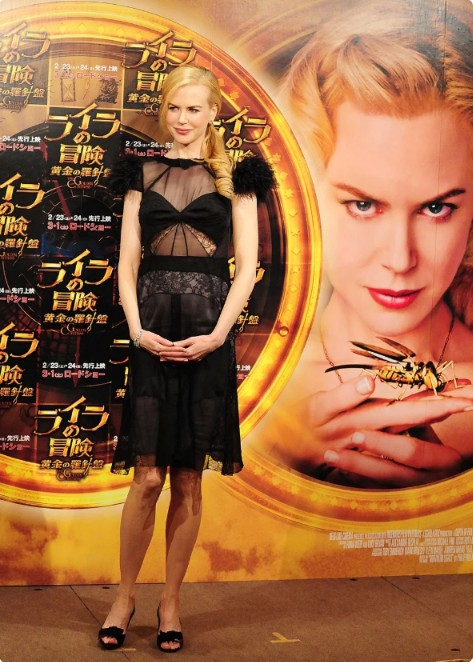
シャネルのキャンペーンは、映画のような映像美でも話題になった。バズ・ラーマン監督による作品で、キッドマンが豪華でロマンチックな物語の主人公を演じた。一般的な香水CMというより、短編映画のような広告だった。
Kidman was not simply an Australian face borrowed for a foreign campaign. She was a major international star whose Australian background remained part of her public identity, and whose advertisements were seen by Japanese consumers.
キッドマンは、単に海外広告に起用されたオーストラリア人というだけではない。世界的なスターとして日本の消費者にも知られ、そのオーストラリアとのつながりも広く認識されていた。
Cate Blanchett: the face of SK-II
ケイト・ブランシェット――SK-IIの顔
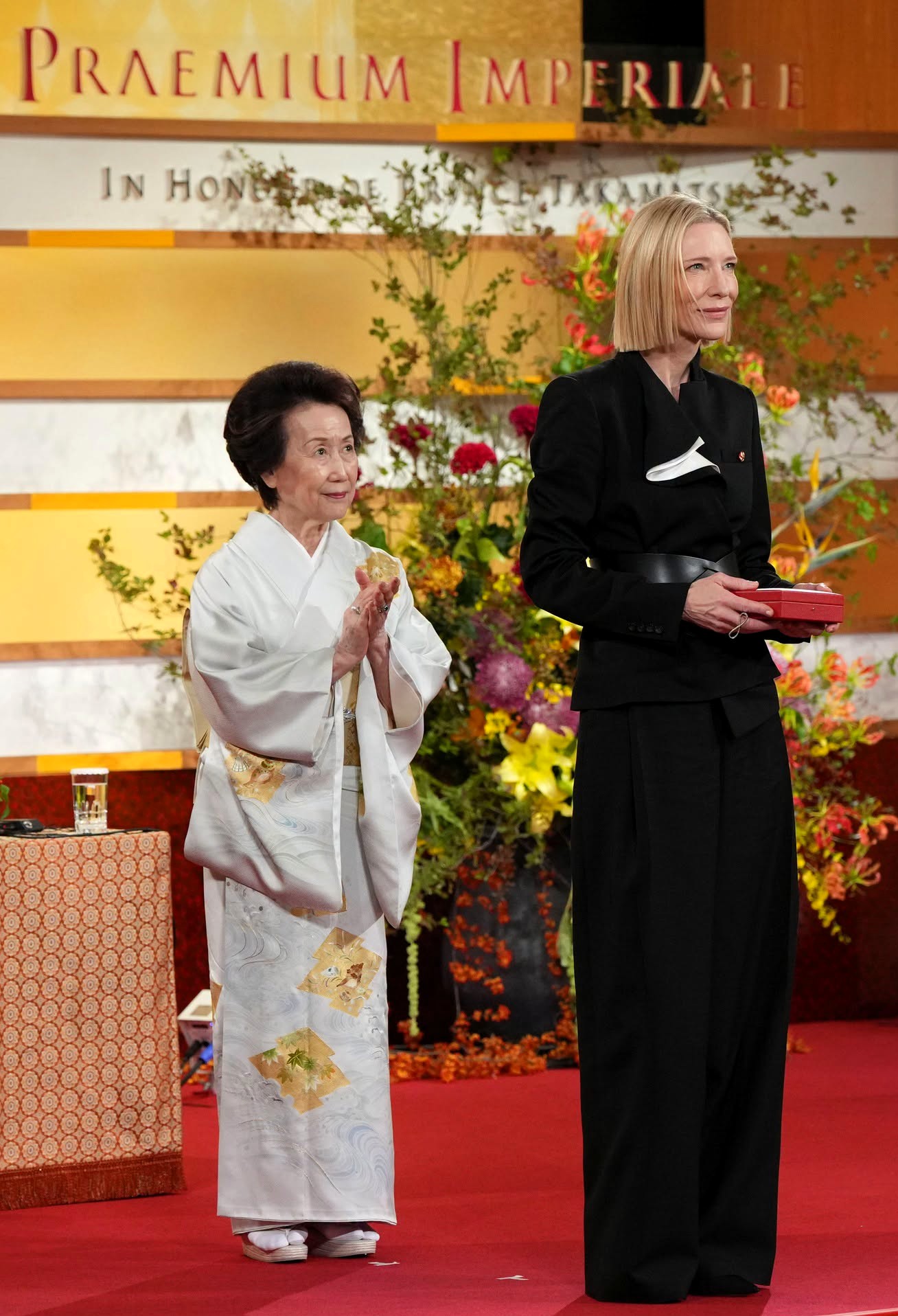
Cate Blanchett, just awarded Japan:s prestigious Paremium Imperiale last month, became closely associated with SK-II, the Japanese-origin skincare brand owned by Procter & Gamble. In 2007, P&G announced that she would become the global face of the brand, extending her role beyond Australia to markets including the United Kingdom, Spain, the United States and Canada.
先月高松宮殿下記念世界文化賞を受賞されたばかりのケイト・ブランシェットは、日本発のスキンケアブランドSK-IIと深い関係を築いた。2007年、P&Gは彼女をブランドのグローバル・イメージキャラクターに起用すると発表。オーストラリア国内にとどまらず、英国、スペイン、米国、カナダなどへ展開することになった。
There is an important wrinkle in the story. Her first SK-II television commercial was reported as having premiered on Australian television in 2011. The brand was Japanese, and Blanchett was a major international ambassador, but that does not automatically establish that every version of her campaign was a Japanese television advertisement.
ただし、ここには注意点がある。彼女が出演したSK-IIの最初のテレビCMは、2011年にオーストラリアのテレビで放映されたと報じられている。日本発のブランドの世界的な広告塔だったことは確かだが、すべての広告が日本のテレビで放映されたとまでは確認できない。
Blanchett is therefore an important part of the wider story of Australian talent representing Japanese brands internationally, even if the evidence for a Japanese TV broadcast of her first commercial is not as straightforward as it is for Kidman, Thorpe or Kerr.
ブランシェットは、日本ブランドを世界に代表するオーストラリア人スターという意味で重要な存在だ。ただし、キッドマン、ソープ、カーのように日本国内のテレビCM出演が明確に確認できるケースとは、少し区別する必要がある。
Naomi Watts, Kylie Minogue and Russel Crowe: famous Australians, but where are the Japanese commercials?
ナオミ・ワッツ、カイリー・ミノーグとルッセル・クロウ:有名なオーストラリア人だが、日本のCM出演は?
Naomi Watts spent important formative years in Australia and built her acting career there before becoming an international star. She also spent time in Japan as a young model. That makes her an interesting Australian-Japanese cultural connection, but she has not starred in a major Japanese television advertising campaign.
ナオミ・ワッツはオーストラリアで多感な時期を過ごし、俳優としてのキャリアを築いてから世界的なスターになった。若いころにはモデルとして日本に滞在した経験もある。日豪の文化交流という点では興味深い人物だが、日本の大規模なテレビCMに出演したという確かな記録はない。
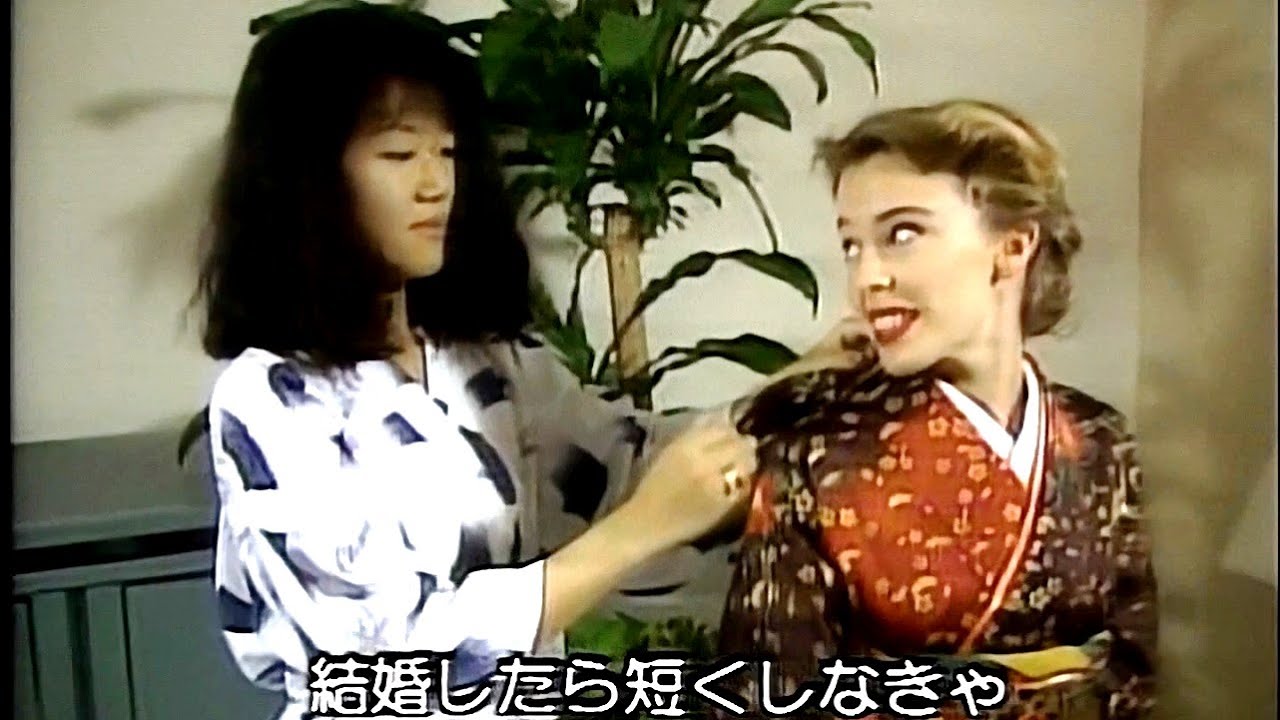
Kylie Minogue is another name that seems as though she ought to have appeared in Japanese advertising. She was a major international pop star, had a strong following in Japan and was familiar to Japanese music fans. However, I have not found reliable evidence of a significant Japanese TV commercial campaign featuring her.
カイリー・ミノーグも、日本の広告に登場していても不思議ではない人物だ。世界的なポップスターで、日本にもファンが多く、音楽を通じて広く知られていた。しかし、彼女が出演した大規模な日本のテレビCMキャンペーンについては、信頼できる記録を確認できていない。
That distinction matters. A celebrity’s popularity in Japan does not necessarily mean that they sold products on Japanese television. It is better to leave a question mark beside these names than to create a commercial history that may not exist.
ここは大切な区別だ。日本で人気があったからといって、日本のテレビCMに出演していたとは限らない。確認できない名前には疑問符を残す方が、存在しない広告の歴史を作るよりずっとよい。
Russel Crowe is a multiple Academy Award winner, yet has also been a notable absence from Japanese TV ads.
アカデミー賞を複数回受賞したにも関わらず、ラッセル・クロウも日本のCM登場はない。
The 2000s: The Thorpedo takes Japan by storm
2000年代――「ソーピード」が日本を席巻
If Mel Gibson helped establish the Australian Hollywood star as a Japanese advertising attraction, Ian Thorpe showed that an Australian sportsman could become an advertising phenomenon in his own right.
メル・ギブソンがオーストラリア出身のハリウッドスターの広告価値を示したとすれば、イアン・ソープは、オーストラリアのスポーツ選手自身が日本で広告スターになれることを証明した。
Ian Thorpe, nicknamed “The Thorpedo”, became one of the most famous swimmers in the world. His six gold medals at the 2001 World Championships in Fukuoka helped make him a household name in Japan. His size, speed, youthful looks and quiet confidence made him an unusual sporting celebrity.
「ソーピード」の愛称で知られるイアン・ソープは、世界で最も有名な競泳選手の一人となった。2001年の福岡世界水泳選手権で6個の金メダルを獲得したことで、日本でも一躍有名になった。大柄な体格、圧倒的なスピード、若々しい容姿、落ち着いた雰囲気が、従来のスポーツ選手とは違う魅力を生み出していた。
In August 2002, his Japanese popularity was extraordinary. A contemporary report in Swimming World described his face appearing on posters across Yokohama and confirmed that he featured in a television commercial promoting the Pan Pacific Swimming Championships. He was also endorsing Coca-Cola Japan’s Aquarius sports drink.
2002年8月、日本での人気はすさまじいものだった。当時の『Swimming World』の記事によると、横浜市内には彼のポスターが多数掲示され、パンパシフィック水泳選手権のテレビCMにも出演していた。さらに、日本コカ・コーラのスポーツ飲料「アクエリアス」の広告にも起用されていた。
The report described Japanese teenage girls reacting to his name like fans greeting a rock star. His popularity was not confined to swimming enthusiasts. He had become a mainstream celebrity.
同記事は、彼の名前がアナウンスされるだけで、日本の少女たちがロックスターを迎えるような歓声を上げたと伝えている。人気は水泳ファンだけにとどまらず、一般の人々にまで広がっていた。
The Aquarius campaign was particularly significant. Thorpe was not merely being used to sell an international sporting event; he was promoting a product that Japanese consumers could buy every day. He was becoming part of ordinary Japanese consumer culture.
アクエリアスのキャンペーンは特に重要だった。ソープは国際スポーツ大会の宣伝役にとどまらず、日本の消費者が日常的に購入する商品を売る存在になっていた。つまり、日本の日常生活に入り込んだ広告スターだった。
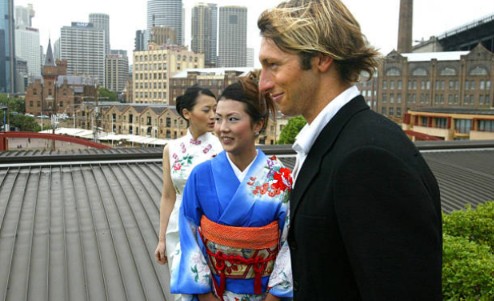
The Japanese media attention was so intense that Thorpe’s celebrity status sometimes seemed to rival that of entertainment stars. His story demonstrated that sporting achievement, when combined with charisma and a distinctive public image, could be just as commercially powerful as Hollywood fame.
日本のメディアによる注目は非常に大きく、ソープの知名度は芸能スターに匹敵するほどだった。競技での実績にカリスマ性と印象的なイメージが加われば、ハリウッドスターと同じくらい広告価値を持つことを示したのだ。
The 2010s: Hugh Jackman, the Australian who could sell anything
2010年代――何でも売れる男、ヒュー・ジャックマン
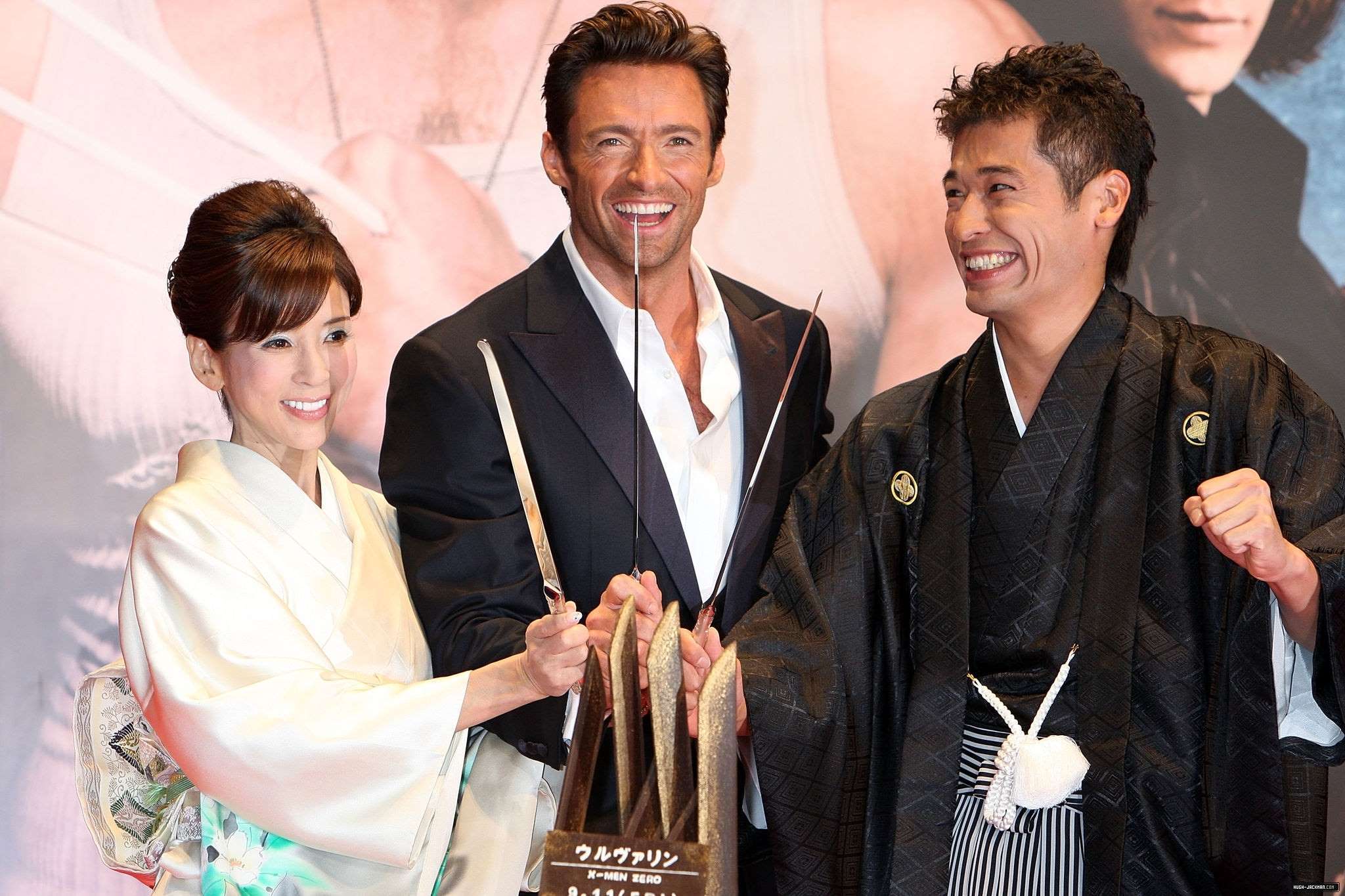
Hugh Jackman became one of the most visible Australian faces on Japanese television during the 2010s. He was already internationally famous as Wolverine in the X-Men films, but Japanese advertisers found uses for him well beyond the superhero image.
2010年代、日本のテレビで特に目立ったオーストラリア人スターの一人がヒュー・ジャックマンだった。『X-MEN』シリーズのウルヴァリン役で世界的に有名だったが、日本の広告ではヒーロー以外の顔も見せた。
In March 2010, Asahi Beer announced that Jackman would appear in a new series of commercials for Asahi Super Dry, alongside Japanese actor and singer Masaharu Fukuyama. The campaign began broadcasting nationwide on 2 March.
2010年3月、アサヒビールは、ジャックマンを福山雅治とともに「アサヒスーパードライ」の新CMキャラクターに起用すると発表した。CMは3月2日から全国で放映された。
The campaign presented the two men as ambitious figures pursuing success in different worlds. Jackman played a business executive, while Fukuyama represented the creative world. The advertising was built around the idea of adult ambition, confidence and determination.
CMでは、異なる世界で成功を目指す二人の男性が描かれた。ジャックマンはビジネスの世界で挑戦する男、福山は創造的な世界で自分の可能性を追求する男を演じた。大人の野心、自信、挑戦をテーマにした広告だった。
Jackman returned to Japanese television advertising in 2014, this time for Toyota. He was selected as the image character for the Toyota Crown, appearing in a series of commercials that presented the car as an expression of relaxed sophistication and confidence.
ジャックマンは2014年、今度はトヨタのCMに登場した。「クラウン」のイメージキャラクターに起用され、余裕のある大人の男性像と車の魅力を結びつけた広告シリーズに出演した。
One of the most memorable details was his singing. In the Crown commercial, he performed an English-language version of the Japanese song 「あの素晴しい愛をもう一度」. It was an unexpected and charming way of connecting an Australian actor with a Japanese cultural reference.
特に印象的だったのは、歌を披露したことだ。クラウンのCMで、彼は日本の名曲「あの素晴しい愛をもう一度」を英語で歌った。オーストラリア人俳優と日本の文化を結びつける、意外性のある演出だった。
Later in 2014, Jackman joined Toyota’s elaborate ReBORN historical advertising series. He appeared as a mysterious sailor alongside Takuya Kimura as Oda Nobunaga and Beat Takeshi as Toyotomi Hideyoshi. The characters were part of a playful reimagining of Japanese history, with the commercial promoting Toyota’s new Mirai fuel-cell vehicle.
2014年末には、トヨタの大型広告シリーズ「ReBORN」にも登場した。木村拓哉演じる織田信長、ビートたけし演じる豊臣秀吉とともに、謎の船員役を務めた。日本史を大胆にアレンジしたユーモラスな設定で、新型燃料電池車「MIRAI」を宣伝した。
Jackman’s character appeared speaking deliberately broken Japanese, including the memorable line 「ソレデコソ 黄金ノ国 ジパーング!」. The joke was built around the image of a foreign sailor encountering Japan as a mysterious land of technological wonders.
ジャックマンは、わざと片言の日本語で「ソレデコソ 黄金ノ国 ジパーング!」と話す。日本を不思議な技術の国として発見する外国人船員という設定を生かした、遊び心のあるCMだった。
Jackman was an especially effective choice because he could project several different qualities: physical strength, humour, warmth, sophistication and a willingness to laugh at himself. He could sell beer as a serious businessman, a luxury car as a relaxed gentleman and a futuristic vehicle as a comic historical character.
ジャックマンが広告に向いていた理由は、さまざまな魅力を表現できたことにある。力強さ、ユーモア、温かさ、洗練された雰囲気、そして自分自身を笑いの対象にできる余裕。ビールのCMでは仕事のできる男、高級車のCMでは余裕のある紳士、未来の車のCMでは歴史劇のコミカルな人物を演じ分けた。
He was not just another foreign celebrity making a quick appearance. For several years, he became a familiar and recurring face in major Japanese advertising campaigns.
一度だけ登場する海外スターではなかった。数年にわたって、日本の大規模な広告キャンペーンに繰り返し登場する、おなじみの顔になった。
Miranda Kerr: the Australian who became a Japanese housewife
ミランダ・カー――日本の主婦になったオーストラリア人モデル
If Jackman was the most versatile Australian male celebrity on Japanese screens, Miranda Kerr was arguably the most dominant Australian female advertising personality of the period.
ジャックマンが日本の画面で活躍した多才なオーストラリア人男性スターだったとすれば、女性ではミランダ・カーが2010年代を代表する存在だったといえるだろう。
Born in Sydney and raised in Gunnedah, New South Wales, Kerr became an international supermodel and one of the most recognisable faces of the Victoria’s Secret brand. In Japan, however, she developed an advertising career that went far beyond fashion.
シドニー生まれで、ニューサウスウェールズ州ガネダで育ったカーは、国際的なスーパーモデルとなり、ヴィクトリアズ・シークレットを代表する顔の一人になった。しかし日本では、ファッションの枠を超えた広告活動を展開した。
Her Japanese commercials were notable not only for their number but also for the roles she played. She was not always presented as a distant international beauty. Japanese advertisers often gave her a character, a story and even Japanese dialogue.
日本のCMで注目すべきなのは、出演本数だけではない。彼女に与えられた役柄もユニークだった。遠い国の美しいモデルとして登場するだけでなく、キャラクターや物語が与えられ、日本語のセリフまで話すことがあった。
Lipton Limone: the singing yellow fairy
リプトン リモーネ――黄色い衣装で歌うモデル
One of Kerr’s earliest major Japanese campaigns was for Lipton Limone tea. In the commercials, she appeared in a bright yellow outfit, singing a catchy Japanese jingle. The campaign became widely discussed because of its unusual, playful presentation.
カーの代表的な日本向け広告の一つが、リプトン「リモーネ」だった。黄色い衣装をまとい、日本語の印象的な歌を披露するCMは、そのユニークな演出で話題になった。
The campaign continued with a summer Christmas theme in 2012. Kerr appeared in a yellow costume alongside Santa Claus, an amusing contrast between the Australian summer Christmas and the snowy imagery familiar to Japanese audiences.
2012年には、夏のクリスマスをテーマにした広告も展開された。サンタクロースと並んで黄色い衣装のカーが登場し、オーストラリアの夏のクリスマスと、日本でおなじみの雪景色のクリスマスを対比させた。
Bold: Miranda becomes Yamada Cameron
ボールド――ミランダが「山田キャメロン」に変身
In 2013, Kerr took on perhaps her most memorable Japanese advertising role. P&G selected her as the new character for Bold laundry detergent, where she played a cheerful, stylish Japanese housewife called Yamada Cameron (山田キャメロン).
2013年、カーはおそらく最も印象的な日本の広告役を演じた。P&Gは衣料用洗剤「ボールド」の新CMキャラクターに彼女を起用。山田キャメロンという、明るくおしゃれな日本の主婦を演じた。
The campaign was deliberately playful. She shopped in a Japanese-style supermarket, filled her trolley with detergent, drove a specially painted pink Mini Cooper and spoke Japanese with an accent. Her character enthusiastically declared 「ダッテ、カッワイイんダモン!」.
CMは徹底して遊び心にあふれていた。日本風のスーパーで洗剤を大量に買い、特注のピンクのミニクーパーに乗り、日本語を話す。山田キャメロンは「ダッテ、カッワイイんダモン!」と元気いっぱいに宣言した。
The campaign was filmed in Los Angeles, where the production team recreated a Japanese supermarket and the housewife’s garden. It was a Japanese-market commercial made overseas, which is an interesting reminder that the location of filming does not determine the market for which an advertisement is intended.
撮影はロサンゼルスで行われ、日本のスーパーや主婦の家の庭が再現された。日本市場向けのCMを海外で撮影した例であり、撮影場所と広告の対象市場は必ずしも一致しないことがわかる。
Suntory Black Oolong Tea: from tonkatsu to croquettes
サントリー黒烏龍茶――とんかつからコロッケまで
Kerr’s relationship with Japanese food advertising continued with Suntory Black Oolong Tea. Beginning in 2015, she appeared in commercials that played on the contrast between her supermodel image and her enthusiasm for delicious Japanese food.
カーと日本の食品広告との関係は、サントリー黒烏龍茶にも広がった。2015年からのCMでは、スーパーモデルとしてのイメージと、おいしい日本食を楽しむ姿とのギャップがユーモラスに描かれた。
In the first campaign, she tucked into tonkatsu and even tried writing the character 「黒」 with a brush. Later commercials featured croquettes. In one, she jogged to maintain her figure but could not resist the tempting food.
最初のCMでは、とんかつをおいしそうに食べ、筆で「黒」の字を書くことにも挑戦した。その後はコロッケ編も登場。スタイル維持のためにジョギングをしていても、おいしそうなコロッケには勝てないという展開だった。
The campaign worked because it made Kerr seem approachable. She was still a glamorous international model, but she was also someone who enjoyed the same everyday food as the people watching the commercial.
この広告が成功した理由の一つは、カーを身近な存在に見せたことだ。世界的なモデルでありながら、CMを見る人たちと同じように日常の食べ物を楽しむ人物として描かれた。
Takano Yuri, Marukome and more
たかの友梨、マルコメ、そして日本の暮らしへ
Kerr also appeared for Takano Yuri Beauty Clinic in 2014. The company described her as its first foreign celebrity CM character, using her image in a campaign called “Miranda Nice Day”.
カーは2014年、たかの友梨ビューティクリニックの広告にも出演した。同社は彼女を外国人初のCMキャラクターとして紹介し、「Miranda Nice Day」というキャンペーンを展開した。

In 2016, she became the face of several Marukome products, including miso and soy-based foods. The campaign included products such as Koji-Bijin miso, Daizu Labo meal kits and soybean flour products.
2016年にはマルコメの広告に起用され、味噌や大豆を使った食品を紹介した。「糀美人」や「ダイズラボ」の惣菜の素、大豆粉製品など、複数の商品に登場した。
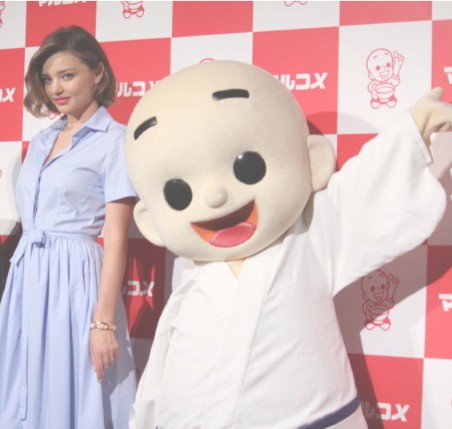
In 2018, Kerr appeared in a Marukome amazake campaign while pregnant. The company promoted the commercials as a particularly special appearance, linking the product to family life, wellbeing and food culture.
2018年には、妊娠中の姿でマルコメの糀甘酒のCMに出演した。家族の暮らしや健康、食文化と結びつけた広告で、企業は特別な出演として紹介した。

The range of products was remarkable. Kerr had helped sell tea, laundry detergent, beauty treatments, miso, soybean products and croquettes. Few Australian celebrities have been so thoroughly integrated into the everyday Japanese advertising landscape.
その出演商品の幅広さには驚かされる。紅茶、洗濯洗剤、美容サービス、味噌、大豆食品、コロッケ。これほど日本の日常生活に深く入り込んだオーストラリア人広告スターは、そう多くない。
She was not simply imported as a famous foreign face. Japanese advertisers built characters around her and used her willingness to perform in Japanese to create a distinctive connection with consumers.
彼女は単に有名な外国人モデルとして輸入されたわけではない。日本の広告主は彼女のためにキャラクターを作り、日本語で演じる姿を通じて消費者との独特なつながりを築いた。
Other Australian faces on Japanese screens
日本の画面を彩ったその他のオーストラリア人
The names above are among the best-documented examples, but they are not the entire story. Australians have appeared in Japanese advertising in many different capacities, and some campaigns are easy to overlook because they were not conventional television commercials.
ここまで紹介した人物は、記録を確認しやすい代表例だが、すべてではない。オーストラリア人はさまざまな形で日本の広告に登場してきた。一般的なテレビCMではないため、見落とされやすいキャンペーンもある。
Olivia Newton-John’s music, long after the 1970s
1970年代以降も広告に流れ続けたオリビアの歌
As noted earlier, Olivia’s music remained popular in Japanese advertising long after her own peak as a recording artist. Her songs were used in campaigns for Japanese products, sometimes introducing her music to younger audiences who may not have followed her career in the 1970s.
前述の通り、オリビアの楽曲は本人の全盛期を過ぎても日本の広告で使われ続けた。1970年代の彼女を知らない若い世代が、CMを通じてその音楽に触れる機会にもなった。
The distinction between an Australian appearing in a commercial and an Australian song being used in one is important, but both are part of the way Australian culture has entered Japanese homes.
オーストラリア人本人がCMに出演することと、オーストラリア人の楽曲がCMに使われることは別だ。しかし、どちらもオーストラリア文化が日本の家庭に入り込む一つの方法だった。
Australian actors in tourism advertising
観光広告に登場するオーストラリア人俳優
A more recent example came with Tourism Australia’s international Come and Say G’day campaign in 2025. Australian actor Thomas Weatherall appeared in the Japanese-market version alongside Japanese comedian Abareru-kun.
近年の例としては、2025年に始まったオーストラリア政府観光局の国際キャンペーン「Come and Say G’day」がある。日本市場向けの広告には、オーストラリア人俳優トーマス・ウェザラルが日本のお笑い芸人あばれる君とともに出演した。
This was not a Japanese company using an Australian celebrity to sell a domestic product. It was Australia promoting itself to Japanese travellers, using a mixture of Australian and Japanese personalities.
これは、日本企業が国内商品を売るためにオーストラリア人スターを起用した例ではない。オーストラリアが日本人旅行者に自国を宣伝するため、オーストラリア人と日本人の出演者を組み合わせた広告だった。
The choice of Abareru-kun was significant. Rather than relying solely on a foreign personality to speak to Japanese consumers, Tourism Australia used a familiar Japanese comedian to make the message locally appealing.
あばれる君の起用は興味深い。外国人の出演者だけに日本の消費者への訴求を任せるのではなく、日本で親しまれているタレントを組み合わせ、現地の視聴者に届きやすい広告にした。
- ABC News: Tourism Australia launches its international campaign
- Australian Government announcement of the Japan campaign
The present day: Australians are still on Japanese screens, but the relationship has changed
現在――オーストラリア人は今も日本の画面にいる。ただし、その姿は変わった
By 2026, the advertising landscape looks different from the days when a single international celebrity could dominate a major Japanese campaign.
2026年現在、日本の広告事情は、海外の大スター一人が大規模なキャンペーンを席巻した時代とは少し違っている。
There are no 2026 Japanese television campaign featuring a globally famous Australian celebrity on the scale of Ian Thorpe, Miranda Kerr or Hugh Jackman.
イアン・ソープ、ミランダ・カー、ヒュー・ジャックマン級の世界的なオーストラリア人スターが出演する、2026年の大規模な日本のテレビCMキャンペーンはない。
There are, however, Australians who have built their lives and careers in Japan and are appearing on Japanese screens in their own right.
一方、日本を生活と仕事の拠点にし、日本の画面で独自のキャリアを築いているオーストラリア人はいる。
Emma Jasmine: an Australian who made Japan her stage
瑛茉ジャスミン――日本を舞台に活躍するオーストラリア人

One example is Emma Jasmine (瑛茉ジャスミン), an Australian-born model and television personality who has established a career in Japan.
その一人が、モデル・タレントの瑛茉ジャスミンだ。オーストラリア生まれで、日本を拠点に活動している。
Her Japanese agency profile confirms her Australian birthplace and records her work in modelling and television. She appeared in a Godiva Valentine’s Day campaign in 2025 and has also appeared in Japanese television programming, including a TBS programme in March 2026.
所属事務所のプロフィールにはオーストラリア生まれと記載され、モデルやテレビでの活動が紹介されている。2025年にはゴディバのバレンタイン関連キャンペーンに登場し、2026年3月にはTBSの番組にも出演した。
She is a different kind of Australian presence from Thorpe or Kerr. Rather than arriving in Japan as an international superstar, she has developed her career within the Japanese entertainment industry.
ソープやカーとは違うタイプのオーストラリア人の存在だ。国際的なスターとして日本にやって来たのではなく、日本の芸能界の中でキャリアを築いてきた。
Rionne McAvoy: a different kind of Australian presence
ライオーン・マカヴォイ――新しい形の日豪交流

Another contemporary Australian figure is Rionne McAvoy, an Australian-born professional wrestler and documentary filmmaker based in Japan.
現代の日豪交流を象徴するもう一人の人物が、オーストラリア生まれで日本を拠点に活動するプロレスラー兼ドキュメンタリー監督、ライオーン・マカヴォイだ。
McAvoy is not a conventional celebrity advertising face. He has become known for his work in Japanese professional wrestling and for documentaries that examine social issues in Japan, including poverty and the struggles of single mothers.
マカヴォイは、一般的な広告スターとは異なる。日本のプロレス界で活動する一方、貧困やシングルマザーの苦境など、日本社会の課題を取り上げたドキュメンタリー作品でも知られるようになった。
His story is significant because it shows how the Australian presence in Japan has evolved. The relationship is no longer just about famous Australians appearing in commercials to sell Japanese products. It is also about Australians living in Japan, working in Japanese industries and contributing to Japanese society.
彼の歩みが興味深いのは、日本におけるオーストラリア人の存在が変化していることを示しているからだ。日豪の関係は、海外の有名人が日本の商品を売る広告だけではなくなった。日本で暮らし、日本の産業で働き、日本社会に関わるオーストラリア人もいる。
SBS Japanese interviewed McAvoy about his life and work. His documentary The Ones Left Behind: The Plight of Single Mothers in Japan also illustrates the kind of contribution that goes beyond the usual celebrity exchange.
SBS日本語放送は、マカヴォイの人生と活動を紹介している。彼のドキュメンタリー『The Ones Left Behind: The Plight of Single Mothers in Japan』は、従来の有名人同士の交流を超えた貢献を示す作品でもある。
- SBS Japanese: Australian-born, thriving in Japan – Rionne McAvoy
- SBS English-language profile
- Rionne McAvoy’s own account of his journey to Japan
Robert Irwin and the changing face of tourism promotion
ロバート・アーウィンと変化する観光広告

Robert Irwin, the son of the late Steve Irwin, has become an internationally recognised Australian wildlife personality. He appeared in Tourism Australia’s 2025 global Come and Say G’day campaign.
故スティーブ・アーウィンの息子、ロバート・アーウィンも、国際的に知られるオーストラリアの野生動物保護活動家・テレビタレントだ。2025年の観光局による国際キャンペーン「Come and Say G’day」に登場した。
But the Japanese version of the campaign took a different approach, featuring Japanese comedian Abareru-kun. This was a reminder that Australian personalities may be used to sell Australia overseas, while local personalities are often more effective at speaking to the domestic audience.
しかし、日本向けの広告では日本のお笑い芸人あばれる君が起用された。海外向けにオーストラリア人のスターを使う一方、日本の視聴者には日本のタレントを通じて語りかける方が効果的だという判断がうかがえる。
So, where have all the Australian advertising stars gone?
それでは、オーストラリア人の広告スターたちはどこへ行ったのか

The history of Australians on Japanese television advertising is not a simple parade of famous faces. It reflects several different eras.
日本のテレビ広告に登場したオーストラリア人の歴史は、単なる有名人の顔ぶれの変遷ではない。そこにはいくつかの時代の変化が表れている。
In the 1970s, Australian pop culture was becoming familiar to Japanese audiences through performers such as Olivia Newton-John. Her music and image helped establish a warm connection, even though a Japanese TV commercial featuring her in that decade remains unverified.
1970年代には、オリビア・ニュートン=ジョンのようなスターを通じて、オーストラリアのポップカルチャーが日本に浸透していった。彼女の音楽とイメージは親しみやすい日豪のつながりを生んだ。ただし、当時の日本のテレビCMへの出演は未確認だ。
In the 1980s, Mel Gibson and Jacko demonstrated the appeal of Australian personalities in Japanese advertising. They were memorable, distinctive and sufficiently exotic to help sell products in a rapidly changing consumer society.
1980年代には、メル・ギブソンやジャッコが、日本の広告におけるオーストラリア人の魅力を示した。個性的で印象に残り、変化の激しい消費社会で商品を売るのにふさわしい存在だった。
In the 2000s, Ian Thorpe showed that an Australian sports star could become a Japanese celebrity in his own right. His success was not simply about swimming. He became a recognisable face in everyday Japanese life.
2000年代には、イアン・ソープがオーストラリアのスポーツ選手も日本のスターになれることを証明した。彼の成功は水泳だけの話ではない。日本の日常生活の中で知られる顔になったのだ。

In the 2010s, Hugh Jackman and Miranda Kerr demonstrated how deeply an Australian celebrity could become embedded in Japanese advertising. Jackman could sell beer and cars; Kerr could sell tea, washing powder, beauty treatments, miso and croquettes. They were not merely visiting celebrities. They became part of the Japanese advertising landscape.
2010年代には、ヒュー・ジャックマンとミランダ・カーが、オーストラリア人スターが日本の広告にどれほど深く入り込めるかを示した。ジャックマンはビールや車を売り、カーは紅茶、洗剤、美容サービス、味噌、コロッケまで紹介した。一時的に訪れる海外スターではなく、日本の広告風景の一部になっていた。
Today, the picture is more varied. International stars still attract attention, but the Australian presence is also represented by people who have built careers in Japan, such as Emma Jasmine and Rionne McAvoy. Tourism campaigns increasingly combine Australian and Japanese personalities to appeal to local audiences.
現在は、もっと多様な姿になっている。世界的なスターが注目を集める一方、瑛茉ジャスミンやライオーン・マカヴォイのように、日本でキャリアを築いたオーストラリア人もいる。観光広告では、オーストラリア人と日本人のタレントを組み合わせ、日本の視聴者に訴えかける手法も見られる。
Perhaps that is the real story of 50 years of friendship. The relationship has moved beyond the novelty of seeing an Australian face on a Japanese television screen. Australians are no longer simply exotic visitors hired to sell something. They are performers, residents, professionals, creators and participants in Japanese life.
それこそが、日豪友好50年の本当の物語なのかもしれない。日本のテレビ画面にオーストラリア人の顔が映るという珍しさを超え、関係はさらに深まった。オーストラリア人は、商品を売るために雇われる珍しい外国人というだけではない。日本で活動する表現者、住民、専門家、制作者、そして社会の一員になっている。
From Our Livvy to the Thorpedo, from Jacko’s beer to Miranda’s croquettes, Australians have left a surprisingly substantial mark on Japanese popular culture. And while the advertising stars of tomorrow may look rather different, the Australian connection remains very much alive.
「Our Livvy」から「ソーピード」まで、ジャッコのビールCMからミランダのコロッケまで。オーストラリア人は、日本の大衆文化に思いのほか大きな足跡を残してきた。これから日本の画面に登場するスターたちの姿は変わるかもしれない。それでも、日豪のつながりは今も続いている。

さらに見たい人のための資料・映像