我輩は日豪パイオニアである:日本の心を掴んだオージーぼっちゃん
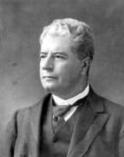
教師でもあり歴史家でもあるジェームス・マードック氏は、その生涯の多くの時間を日本とオーストラリアで過ごした。 ヴェルサイユ条約(パリ講和会議)に於いては、白豪主義真っ只中の豪州国内で、日本が提案した議題、人種的差別撤廃の数少ない支持者であったが、結果的には同条項は採択されなかった。
James Murdoch, a teacher and historian who spent much of his life in Japan and Australia, fought an ultimately losing battle as one of the few supporters in White Australia of Japan’s proposed equality clause in the Treaty of Versailles.
同氏は、スコットランドで生まれ、1880年、24歳の頃オーストラリアへ移民した。
He was born in Scotland and emigrated to Australia in 1880, aged 24.
1880年代に、オーストラリアのいくつかの学校で教鞭をとった後、記者となった。
Murdoch held a series of teaching posts in Australian schools during the 1880s. He then became a journalist.
1889年、マードックは第一高等学校(現在の東京大学)の教授となり、そこで夏目漱石らを教えた。当時、雑誌も創立し、小説及びノンフィクションなども執筆した。
In 1889, Murdoch became a professor at the First Higher School in Tokyo (today’s University of Tokyo), where one of his pupils was Natsume Soseki. He also launched a weekly magazine and wrote novels and non-fiction works.
1893年には一旦日本を去り、「ノヴァ・オーストラリア」という社会主義植民地を設立するためにパラグアイに渡ったが、計画は失敗に終わった。
In 1893 Murdoch left Japan to join “New Australia,” an experimental commune in Paraguay, but it failed.
翌年、再び来日し、1908年まで教師として勤め、以降は作家として、一連の日本史に関する本を出版した。
He returned to Japan in 1894, working as a teacher until 1908, when he became a full-time writer. He published a series of books about the history of Japan.
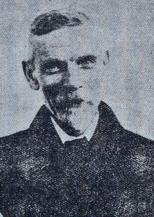
マードック氏は、オーストラリアに帰国後、豪州政府の日豪関係顧問として勤めた。オーストラリア政府は、日本が提案したヴェルサイユ条約(パリ講和会議)人種的差別撤廃提案に対して猛反対したが、マードック氏は強く支持した。当時、ビリー・ヒューズ豪州首相が提案破棄の主導者だった。当時は白豪州主義が最も根強く豪州社会全体に影響を与えていた時代で、マードック氏のような立場は珍しく、勇敢であった。オーストラリアの反対が両国間の更なる関係悪化をもたらし、20数年後の開戦理由のひとつになっただろう。マードック氏は、1921年にオーストラリアで死亡。
Murdoch went back to Australia and became an advisor to the Australian Government on Japan relations. He spoke out strongly against the Australian opposition to Japan’s racial equality clause in the Treaty of Versailles. Australian Prime Minister Billy Hughes was influential in defeating the proposal. In a country where the White Australia Policy was at its strongest, Murdoch’s stance of advocating racial equality was both rare and brave. Australia’s opposition to Japan’s proposal worsened relations between the countries and probably contributed to them going to war over 20 years later. Murdoch died in Australia in 1921.
-
Reference/参考文
Racial Equality Proposal
Japan During World War I
人種的差別撤廃提案
第一次世界大戦下の日本
英語教師ジェームズ・マードックについて
ジェームス・マードック
James Murdoch
James Murdoch [1856-1921]
Ayame-san, A Japanese Romance of the 23rd Year of Meiji (1890)