Crafted Kangaroos and Tiger Shoes

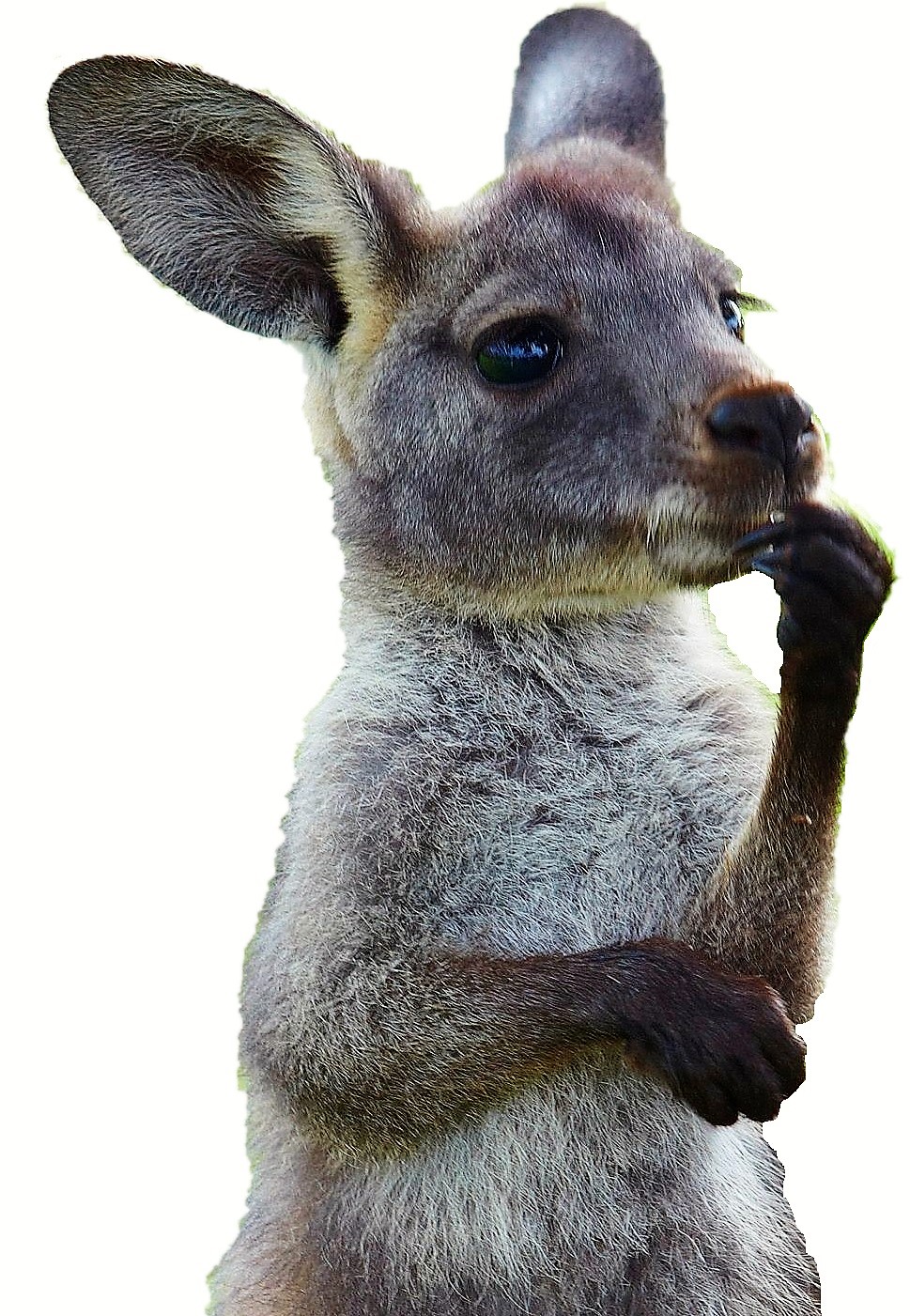
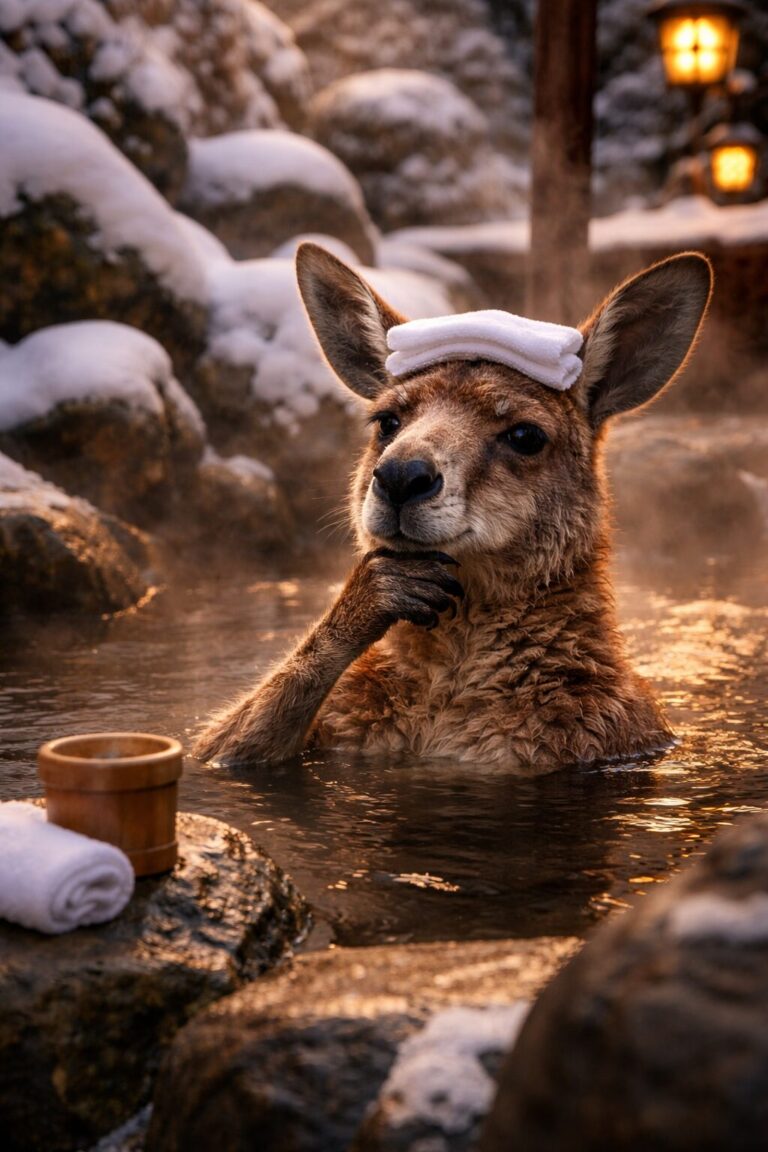
I was delighted to discover an arty ceramic kangaroo being sold at a store near the office, but the asking price put it out of my range despite my desire to possess anything marsupial.

I also got to witness the upshot of a drunk driver who rammed into a Shinjuku restaurant, incurring the wrath of another bystander when I took a photo of the carnage (with no human casualties).

And a workmate and I crafted a pair of tiger striped shoes! (She did most of the work, and ALL of it that required any dexterity).
Cop A Gander At These Rippers Too...

  • Sayonara Stories

    Mobile phones were starting to become a reality when Kangaeroo left Australia around this time of the year back in 1988, a year when the bicentennial of British colonization was marked. It was supposed to be a six-week holiday in Japan. Some 32 years later, that trip effectively hasn’t ended. Japan was in the news in Australia at the time of departure. Then Emperor Hirohito was in a critical condition (he would die shortly into the new year). The Japanese economy was booming and Japan seemed poised to take over leadership of the global business world. But, the more things change, the more they seem to stay the same. Like…

  • |

    How Did Former Enemies Become Partners in Remembrance?

    敵国だった日豪は、どのように共に追悼する関係になったのか? In Why Does Australia Have So Many Japanese War Memorials?, we explored why Australia has so many Japanese war memorials. In Where Can You Find Australia’s Japanese War Memorials?, we visited some of the places where those memorials can be found. Now, in the final instalment, we look at the remarkable journey that transformed places of wartime tragedy into lasting symbols of friendship between Australia and Japan. 「なぜオーストラリアには日本人戦没者慰霊碑がこんなに多いのか?」では 「なぜオーストラリアには日本人戦没者慰霊碑がこんなに多いのか?」では、なぜオーストラリアに多くの日本人戦没者慰霊碑があるのかを紹介しました。 「オーストラリアのどこに日本人戦没者慰霊碑があるのか?」では、オーストラリア各地に残る慰霊碑や墓地を訪ね、その歴史を見てきました。 最終回では、戦争の悲劇の舞台が、どのようにして日豪友好の象徴へと変わっていったのかをご紹介します。 From Conflict to Compassion 対立から思いやりへ When the Second World War ended in 1945, Australia faced a difficult question. How should a nation treat the graves of former enemies? For many Australians, the answer was simple. The dead deserved…

  • Arse Wind?

    Walking along Route 246, I was surprised to look up and see the katakana script reading アースウィンド!  びっくり仰天だった! アースis, in English, arse…or, so I thought. Arse wind, then, could only mean one thing….surely a company couldn’t have named itself after a fart? Of course it didn’t. In fact, アース is also the reading for earth. That makes Earth Wind a little easier to comprehend, even if the English is still a little awkward.

  • | |

    Pigging Out On Pie Face And ‘Ello Elton

    It was a bit of a landmark month as Aussie meet pies went on sale in central Tokyo as Pie Face opened a store in Shibuya, while down the road in Yokohama I got an unexpected chance to see Elton John live. The pies were tasty, but a bit pricey, yet my workmates humored me with a visit there to dine together as the restaurant is within short walking distance of our office. Elton, meanwhile, wasn’t someone I was overly keen on seeing, but I was pleased to get the chance. He was basically going through the motions, though, and didn’t really put on a dazzling display. Having received a…

  • |

    シドニーで旧日本海軍特殊潜航艇周辺をダイビングが可能に

     世界第二次大戦中の1942年に、大日本帝国海軍の3隻の特殊潜航艇がオーストラリア、シドニー湾を攻撃して、その後3隻雷撃で沈没した。  3隻特殊潜航艇のうち2隻がすぐに見つけられたが、3隻目はなかなか表れなかった。そして、ようやく2006年にダイバーがシドニー湾に3隻目の特殊潜航艇 豪政府は沈没した特殊潜航艇周辺が危険性あるとして接近禁止したが、この頃安全を確認し、つい今週になってからダイビングを許可することになった。 現地の報道局ニュース Sydney sub wreck opened to divers(英語)